MOBILITY - GLUTES
Welcome! This program focuses on your glutes (your butt muscles) and the deep hip rotators underneath. Prolonged sitting often leads to these powerful muscles becoming tight, inactive, or "matted-down" (like "chair butt" or "ass lamination"). This can contribute to low back pain, sciatica-like symptoms, and poor movement mechanics. Let's wake them up and restore their function!
Common Issues This Helps:
Low back pain (as glutes are key for pelvic stability)
Hip pain (front hip pinching can be related to poor glute function)
Sciatica or piriformis syndrome symptoms (pain/numbness down the leg)
Difficulty standing up straight (limited hip extension)
Limited squat depth or butt wink (tight external rotators)
Knees caving in during squats
Difficulty "feeling" or activating your glutes ("glute amnesia")
Quick Check (Assessment):
Glute Squeeze: While standing, can you squeeze your glutes firmly? Does one side feel weaker? (This is Step 1 of the Bracing Sequence) .
Hip Hinge: How far can you hinge forward with a flat back?
Deep Squat: How deep can you squat? Do your knees cave in, or does your pelvis tuck under ("butt wink")?
Butt Acuity Test: (Your coach may show you this test from "Supple Leopard".) This test highlights the massive difference in stability when your glutes are on vs. off.
Single-Leg Balance: Can you stand on one leg without your hip dropping on the other side?
Your Mobility Practices:
(Aim for approx. 2 minutes per technique/area unless otherwise noted. Breathe deeply!
1. Glute Smash and Floss
Why: Restores sliding surfaces and normal function to glute tissues matted down from sitting. This is your primary tool for waking up "chair butt".
How: Sit on the floor or a chair. Place a small or large ball under one butt cheek. Find a tender spot. Apply pressure.
Smash & Floss: Slowly move your leg around: bring knee to chest, straighten leg out, cross ankle over opposite knee (figure-four position), drop bent knee side-to-side.
Pressure Wave: Gently roll side-to-side across the muscle fibres.
Contract & Relax: Squeeze your glute against the ball for 3-5 seconds, then relax completely, letting the ball sink in deeper.
Tools: Small Ball or Large Ball. On the floor or on a chair.
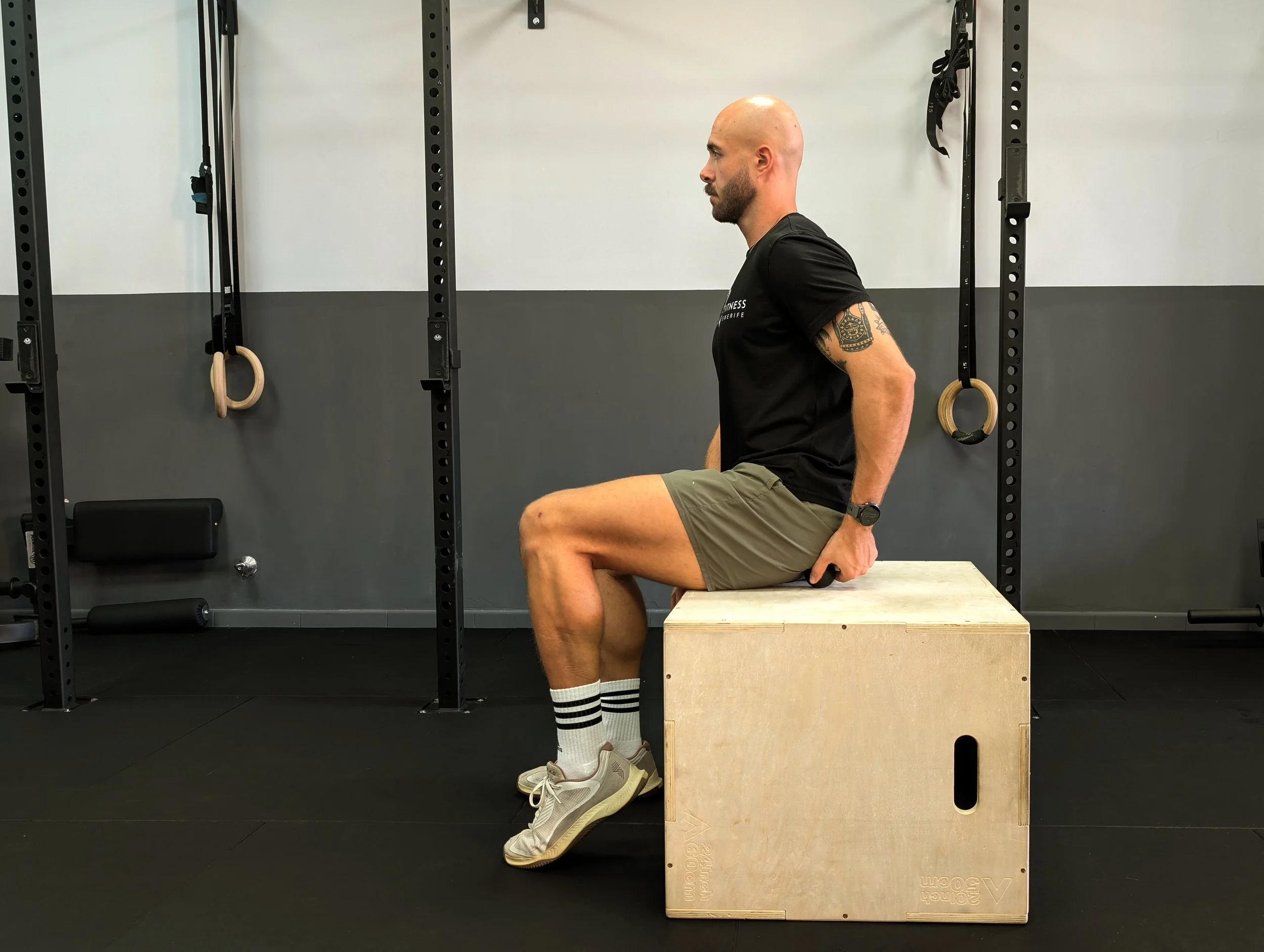
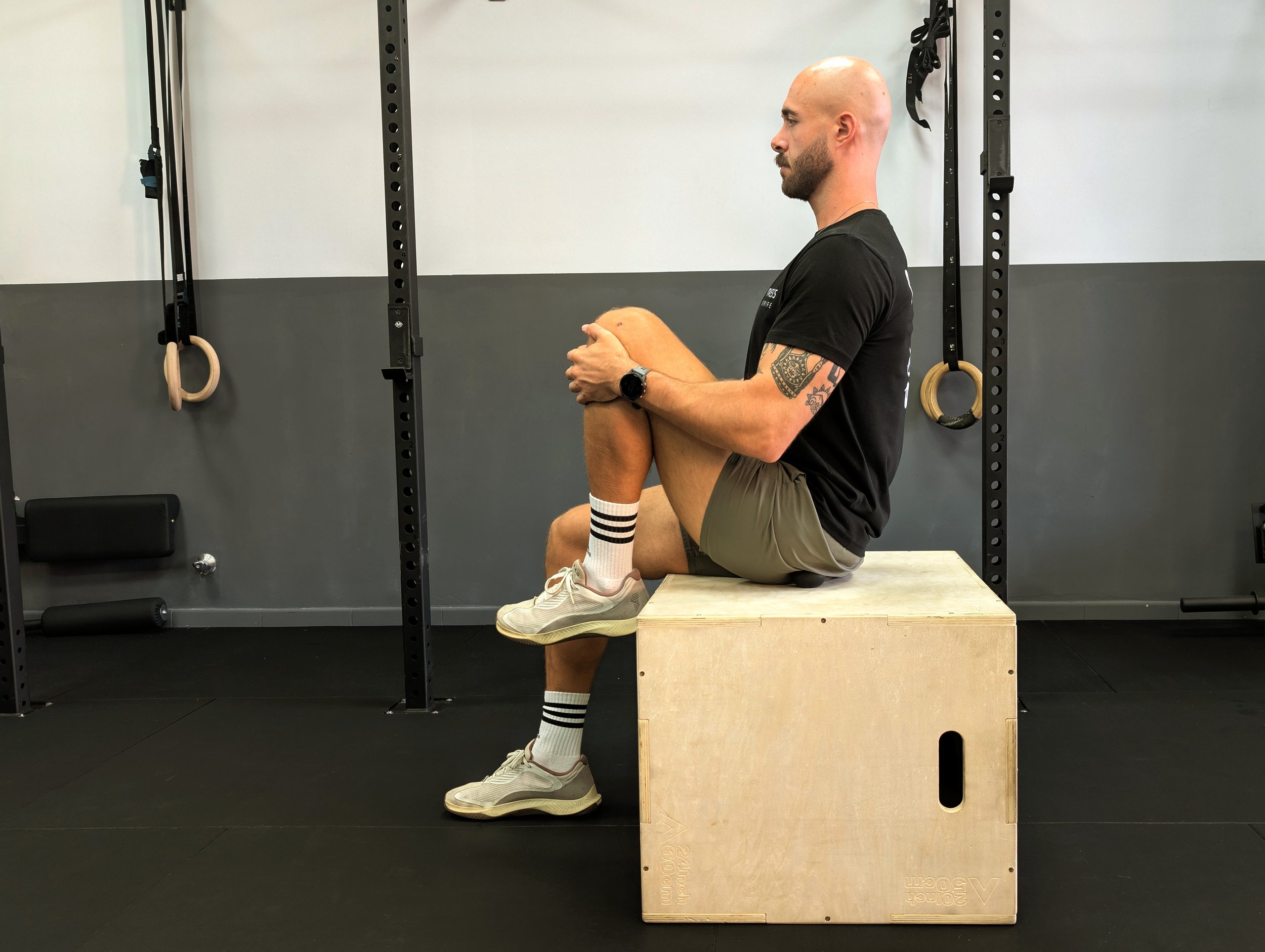
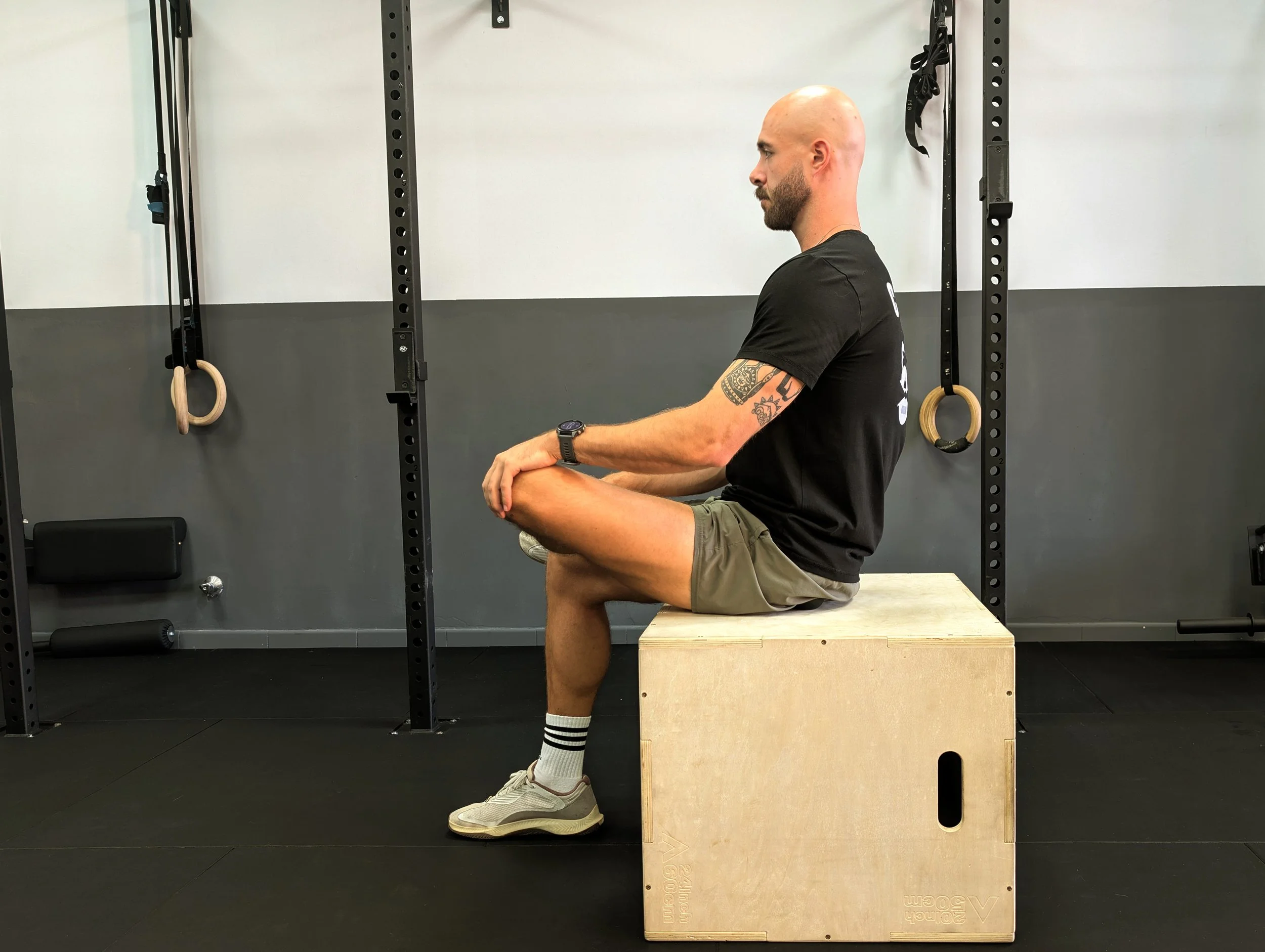
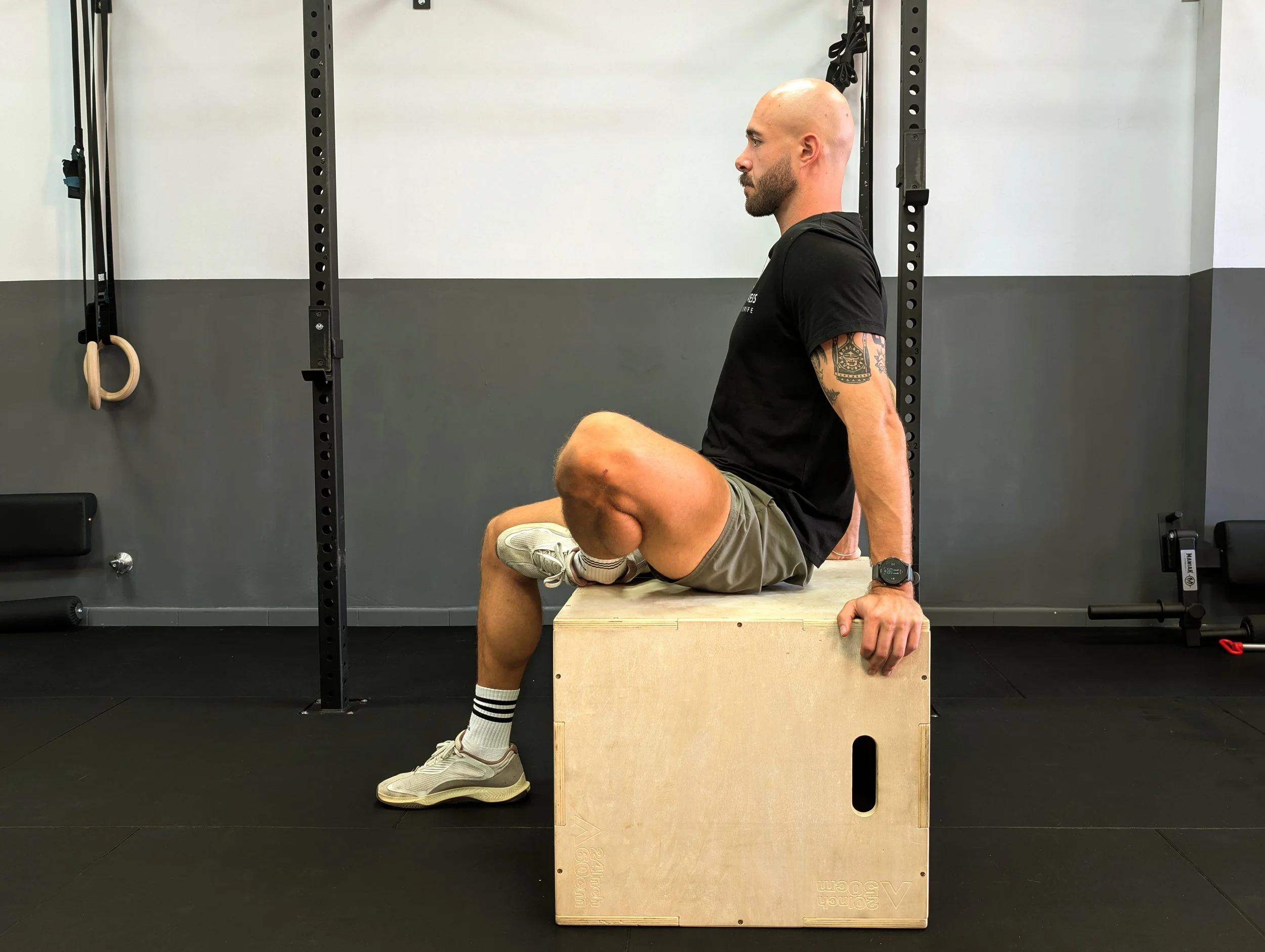
2. High Glute Smash and Floss
Why: Targets the upper part of your glute, near the top of your hip bone. This area often gets tight and refers pain to the low back.
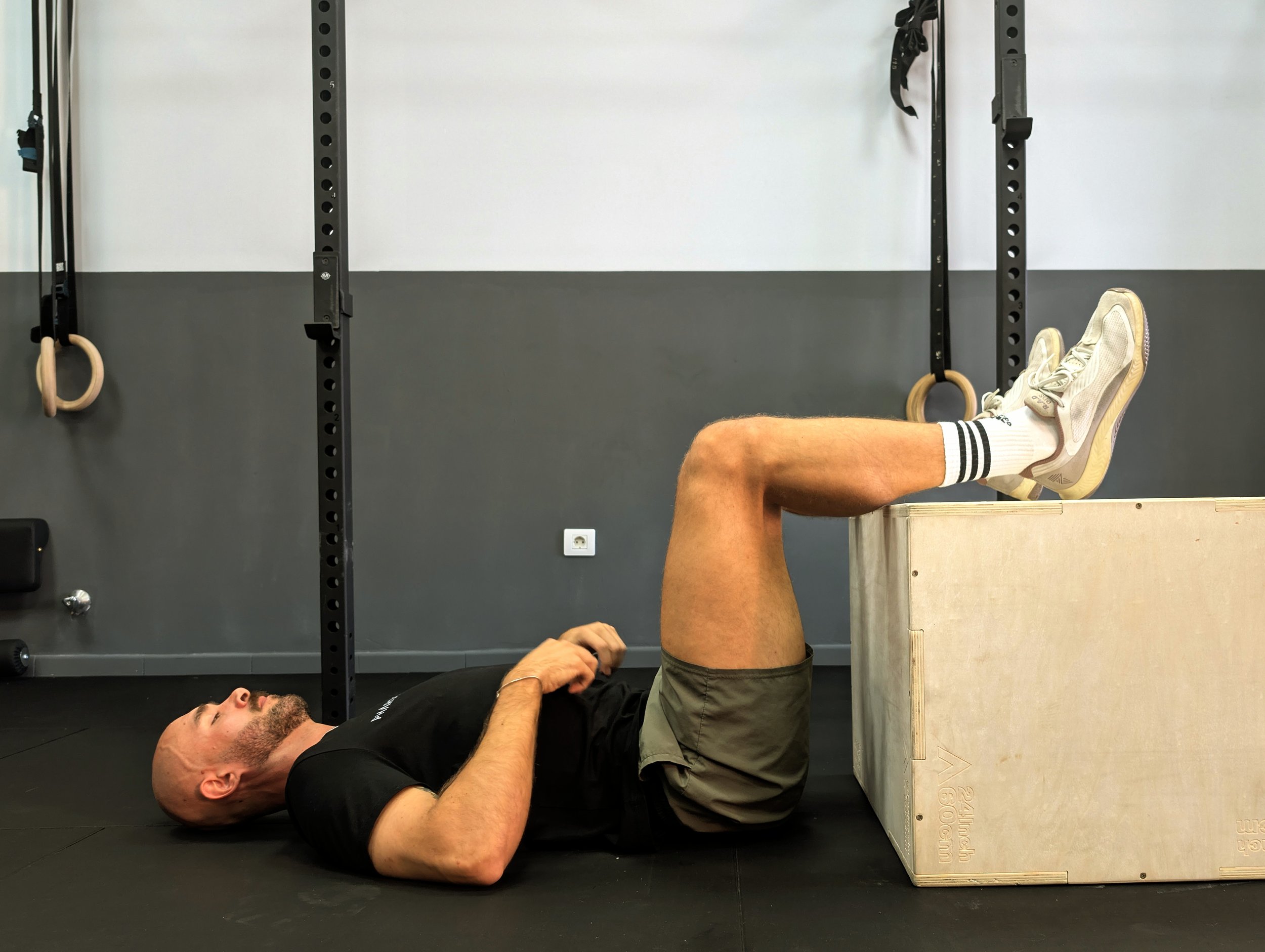
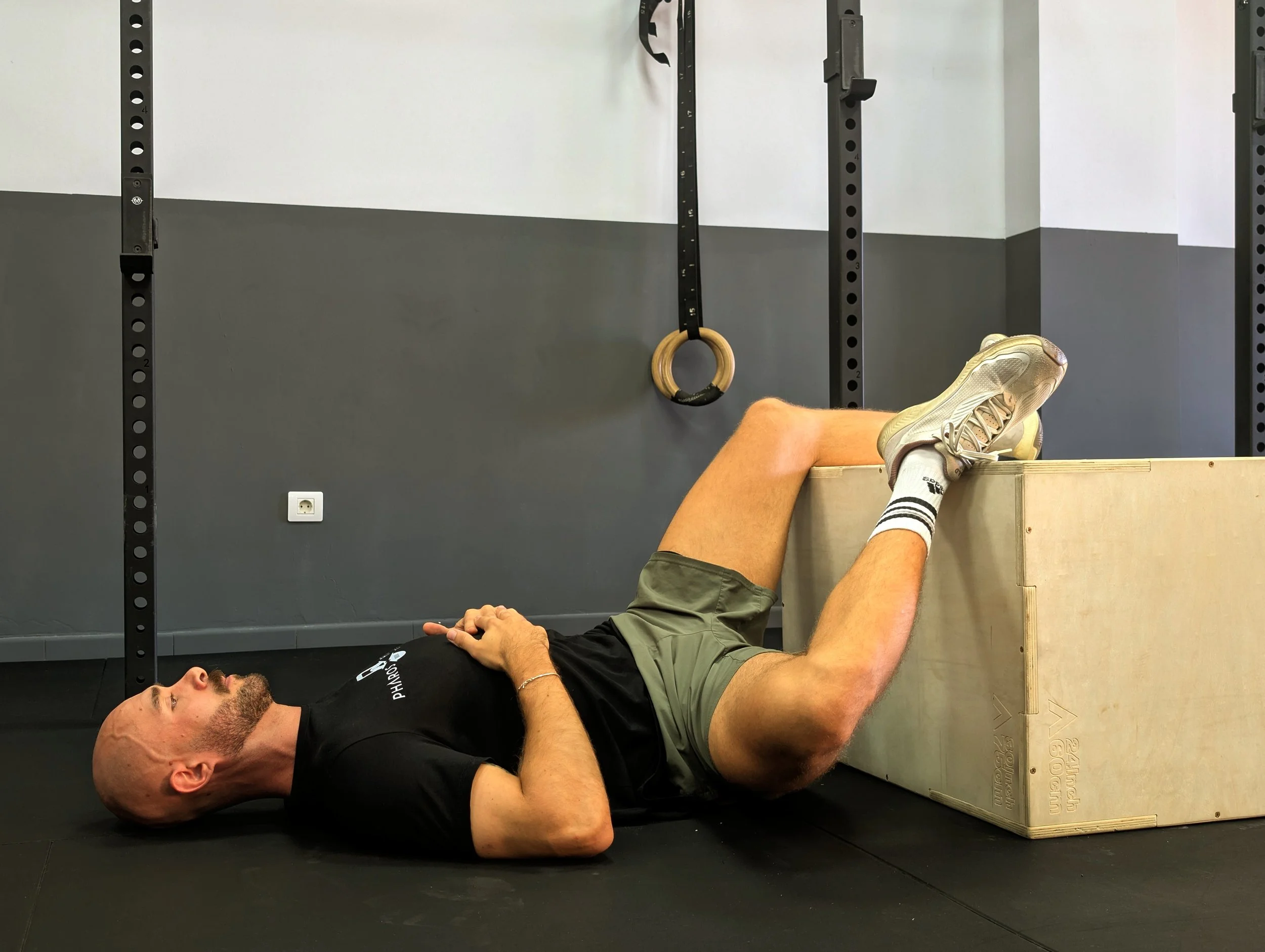
How: Same as the Glute Smash, but focus the ball placement higher up, near the ridge of your hip bone (iliac crest). You can also do this lying on your back with feet on a box (like the Low Back Smash) to flatten your back and get better access. Pressure wave side-to-side and floss the leg.
Tool: Small Ball.
3. Side Hip Smash
Why: Targets the glute medius and other muscles on the side of the hip, which are crucial for stability when walking, running, or standing on one leg.
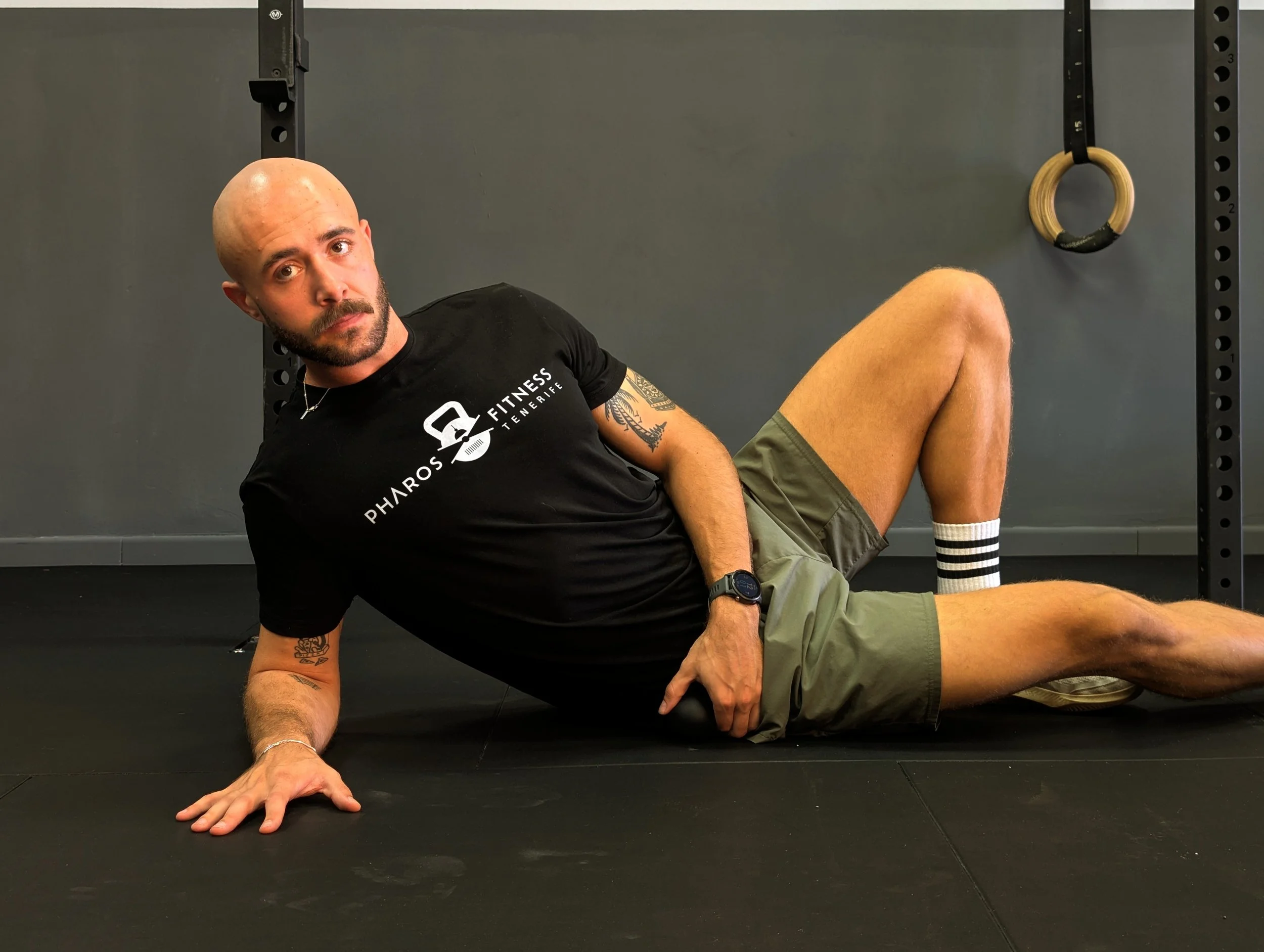
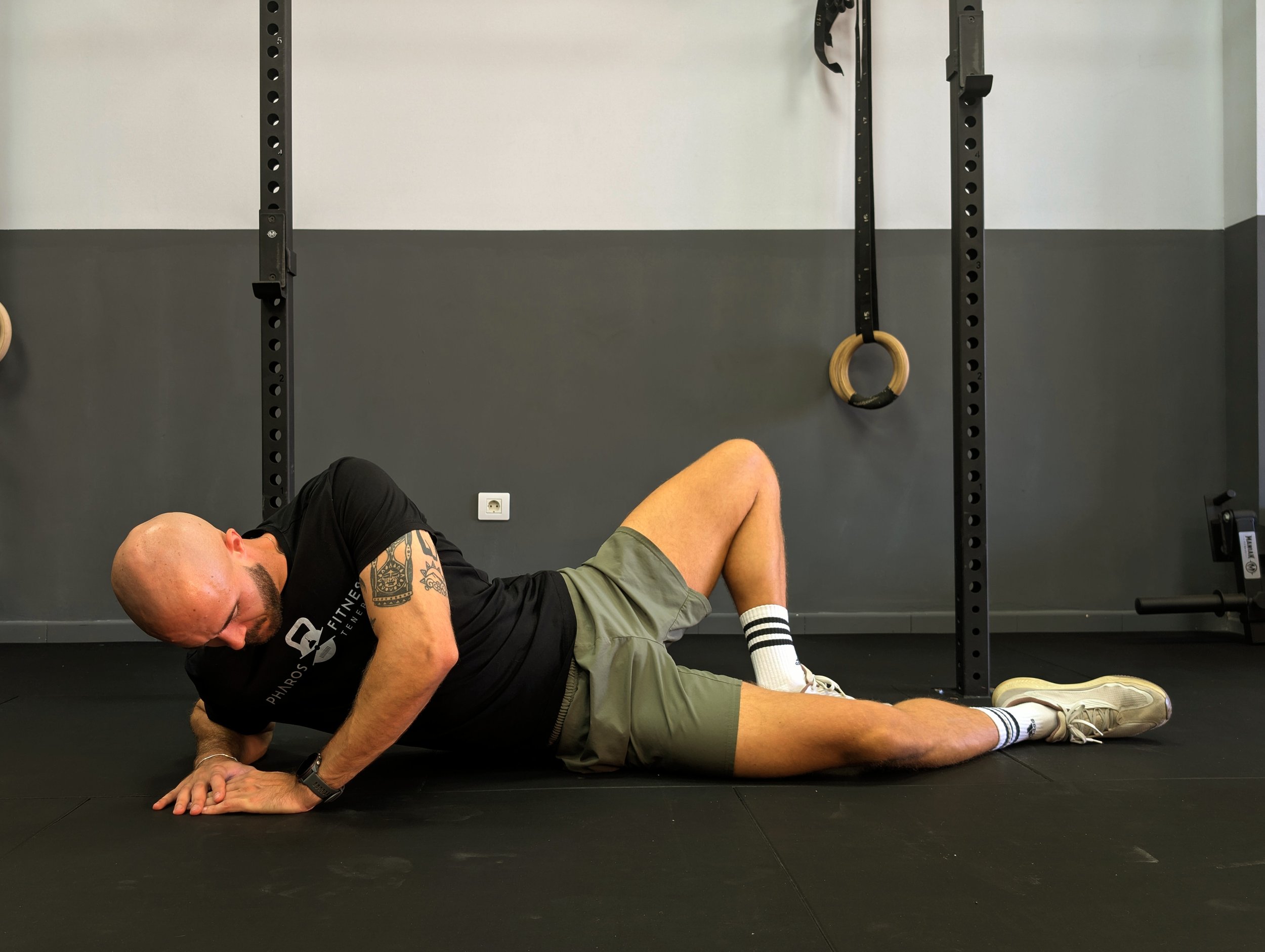
How: Lie partially on your side. Place a ball on the side hip musculature (between your hip bone and the head of your thigh bone). Apply pressure.
Pressure Wave: Gently roll slightly forward and backward over the ball.
Floss: Move your leg by bringing your knee up towards your chest or forward/back.
Contract & Relax: Tense the side hip muscles, hold, then relax.
Tool: Large Ball, Small Ball.
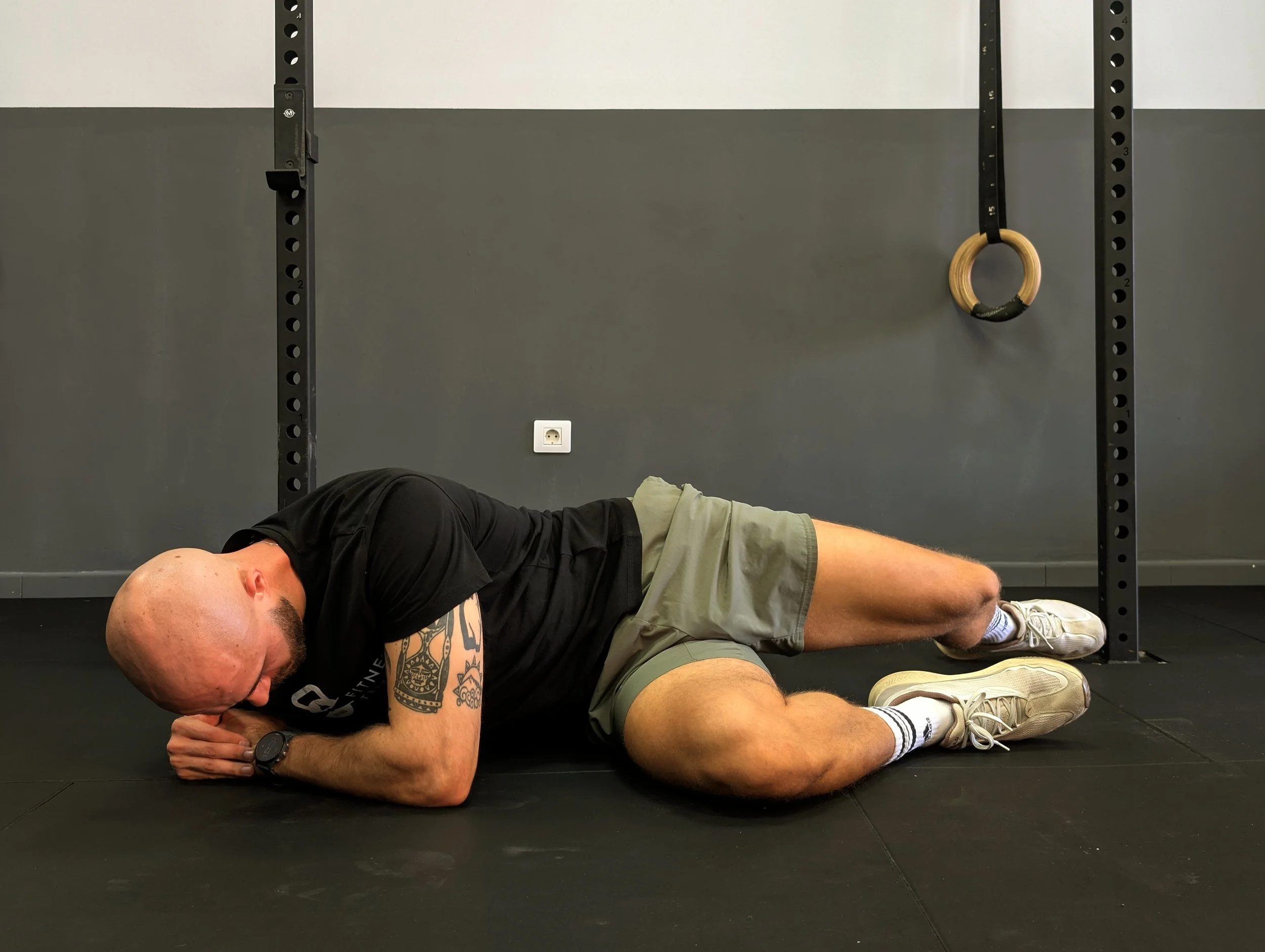
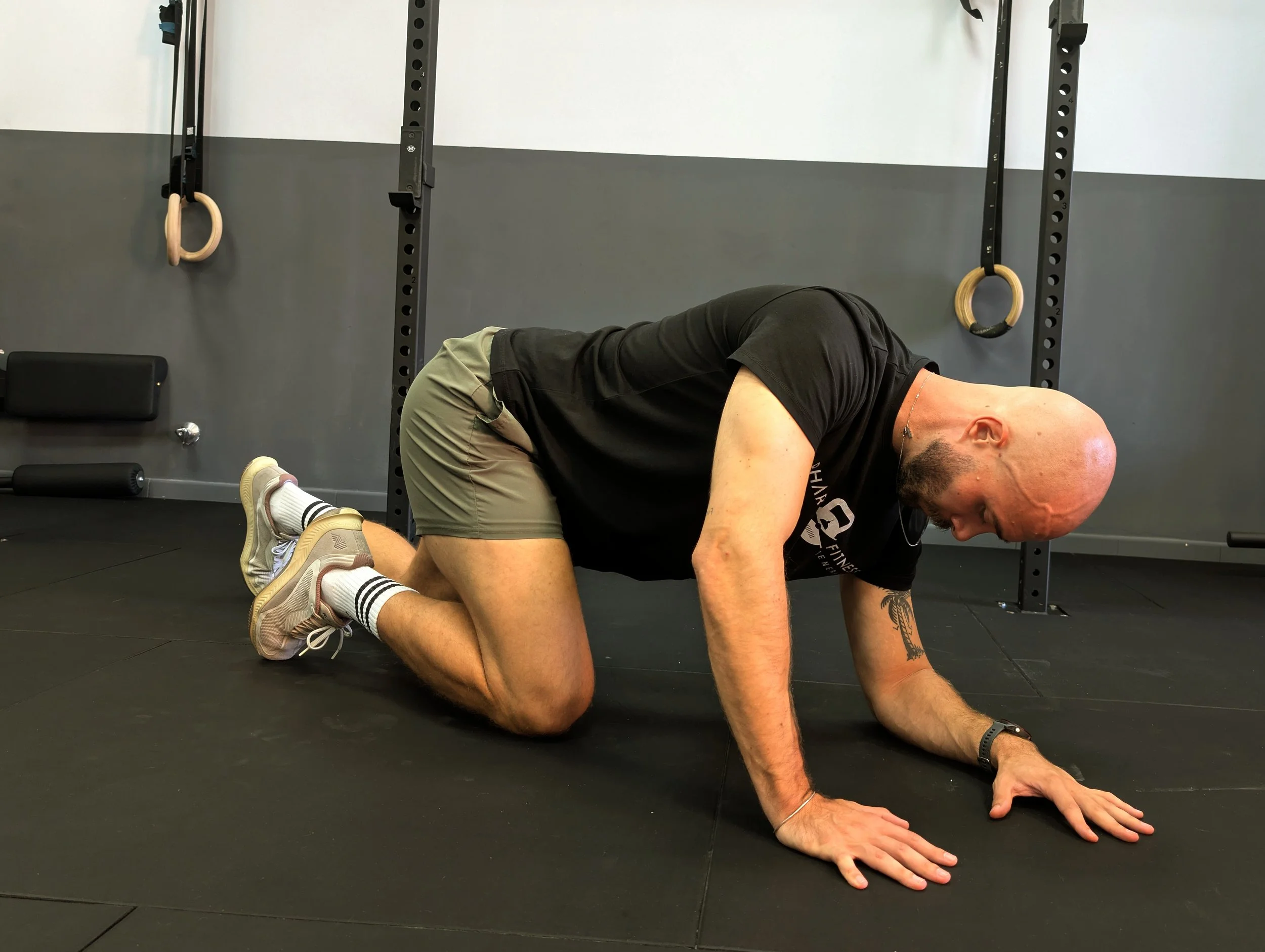
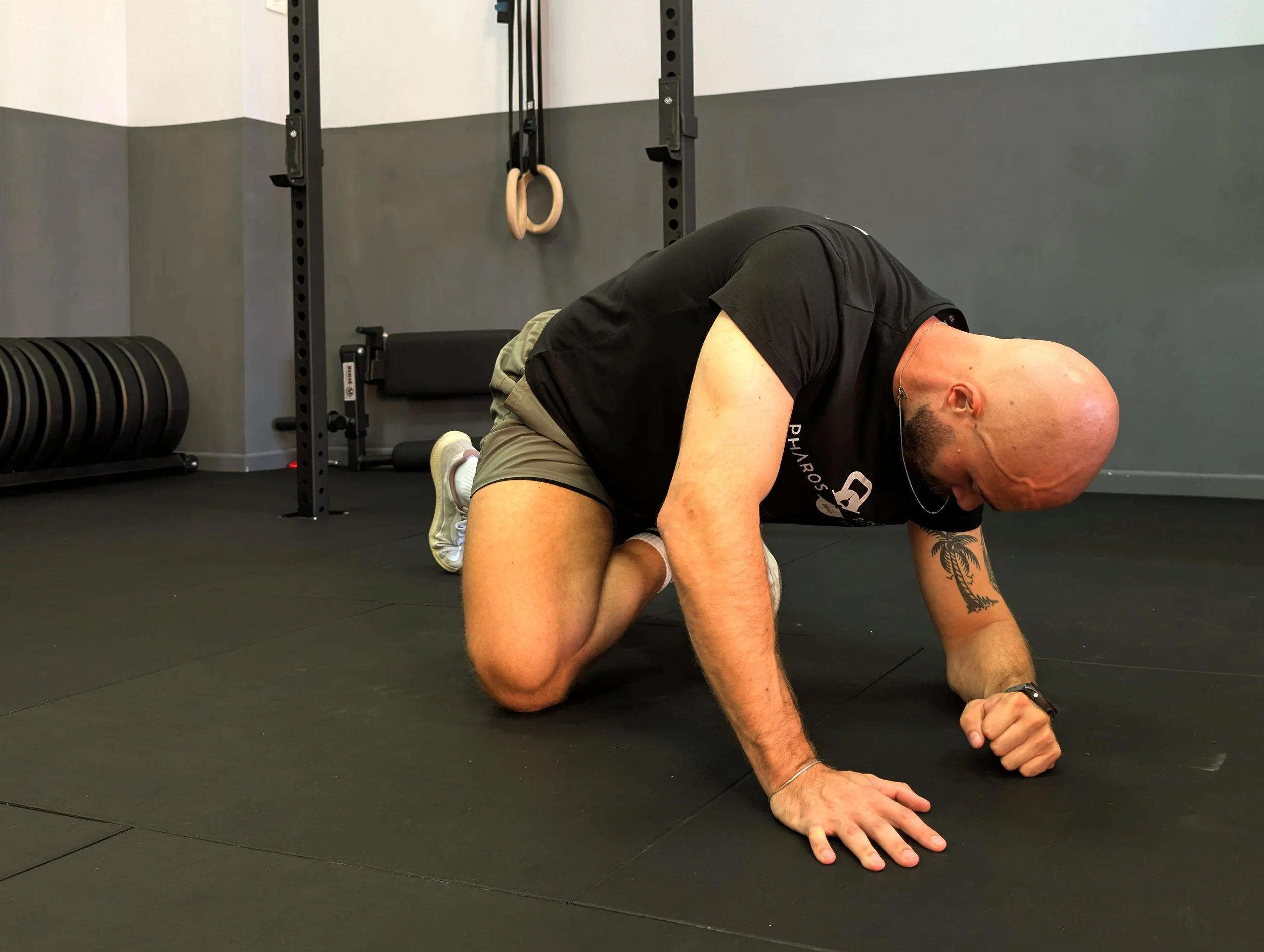
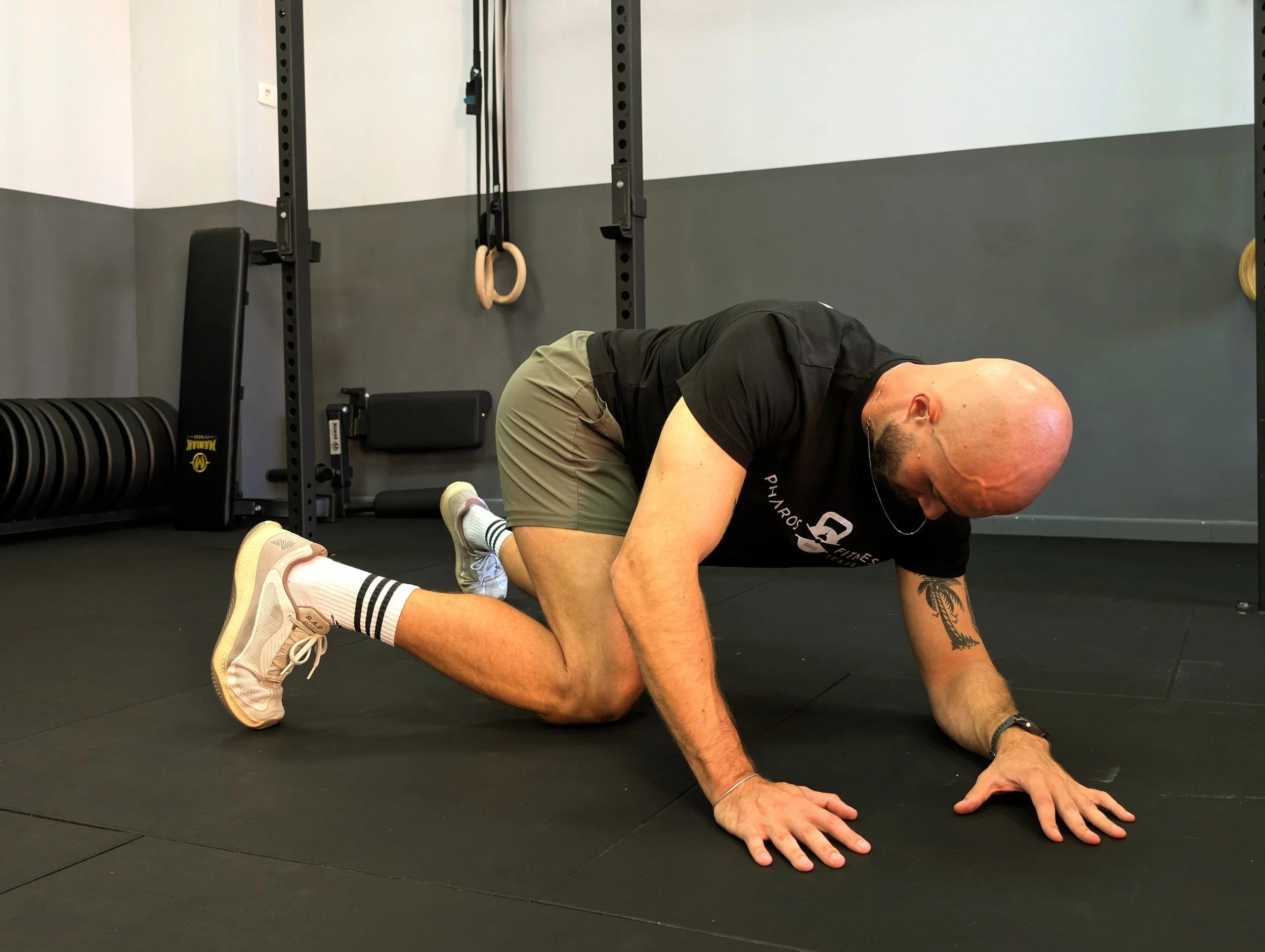
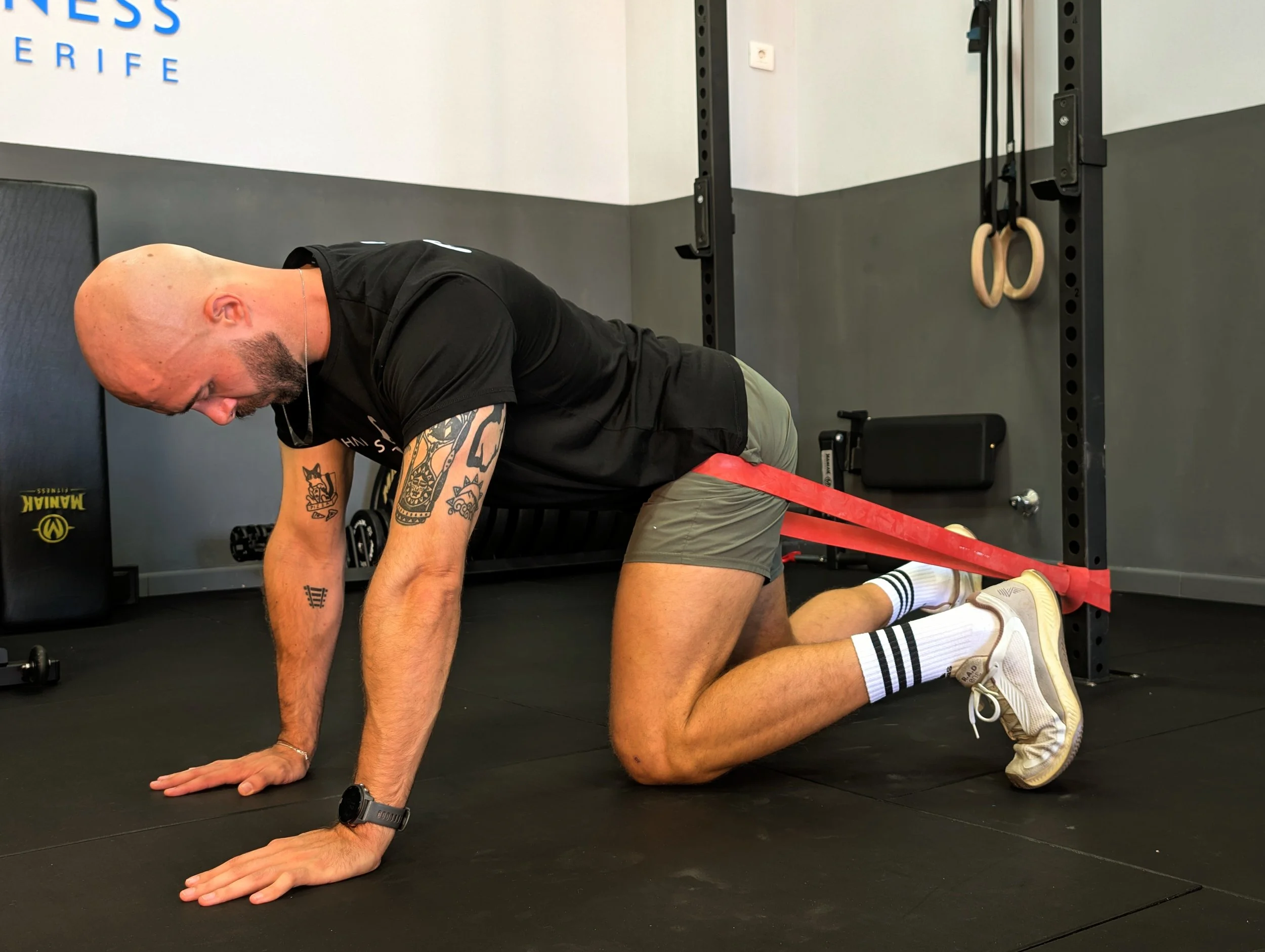
4. Hip Capsule Mobilisation (Posterior Chain Focus)
Why: Resets the position of your thigh bone (femur) in the hip socket, can help clear impingements, and targets the deep hip rotators (like the piriformis, often implicated in sciatica).
How: Start on hands and knees. Bring one knee forward under you (like a pigeon pose prep). Keep weight over the grounded knee.
External Rotation: Kick your grounded foot across your body (e.g., left foot moves right). Gently sit your hips back towards your grounded foot/hip. Oscillate gently in and out of this stretch.
Internal Rotation: Kick your grounded foot out to the side. Gently sit your hips back away from your grounded foot. Oscillate gently.
Banded (Better!): Use a resistance band looped high around your hip crease, pulling laterally (to the side) or posteriorly (backwards) to create space in the joint as you perform the movements.
Tool: Optional Resistance Band.