
MOBILITY - LOWER BACK, AND TRUNK
Welcome! This program focuses on your core – the low back, abdominals, and side muscles (obliques). Stiffness and pain here are incredibly common, often due to sitting, poor posture, or how we lift and move. These techniques aim to restore mobility, reduce pain, and improve trunk stability.
Common Issues This Helps:
General low back pain or stiffness
Sciatica-like symptoms (pain/numbness/tingling down the leg)
Difficulty rotating, bending forward, or arching back comfortably
Hip pain that feels connected to your back or deep abdominals
Trouble keeping a flat back during squats or deadlifts
Feeling "tight" in the stomach or sides, potentially affecting breathing
Quick Check (Assessment):
Posture Check: Do you tend to stand or sit with an overly arched (extended) or rounded (flexed) lower back?
Two-Hand Rule: Place one hand on your sternum, one below your navel. Hinge forward or squat. Do your hands move closer or farther apart? (They shouldn't!)
Hip Hinge: Can you bend forward, keeping your back flat, or does your lower back round?
Active Straight Leg Raise: Lying flat, can you lift one or both legs without your low back arching off the floor?
Rotation: Can you gently twist your torso side-to-side without pain or major restriction?
Your Mobility Practices:
(Aim for approx. 2 minutes per technique/area unless otherwise noted. Breathe deeply!
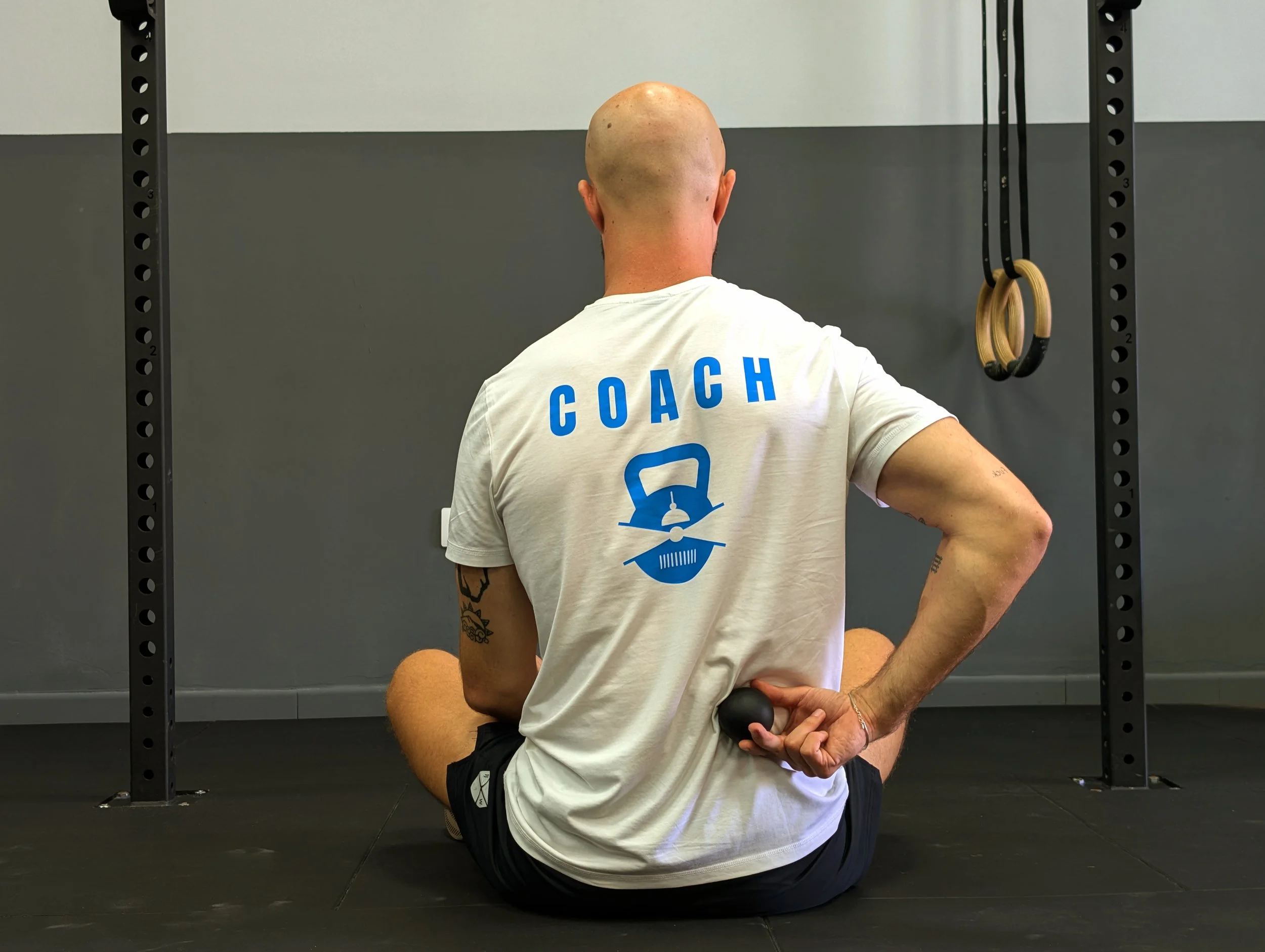
1. Low Back Smash (Single Ball)
Why: Targets the muscles running along your spine (erector spinae) and where they meet the top of your hip bone (iliac crest) - common spots for stiffness and pain.
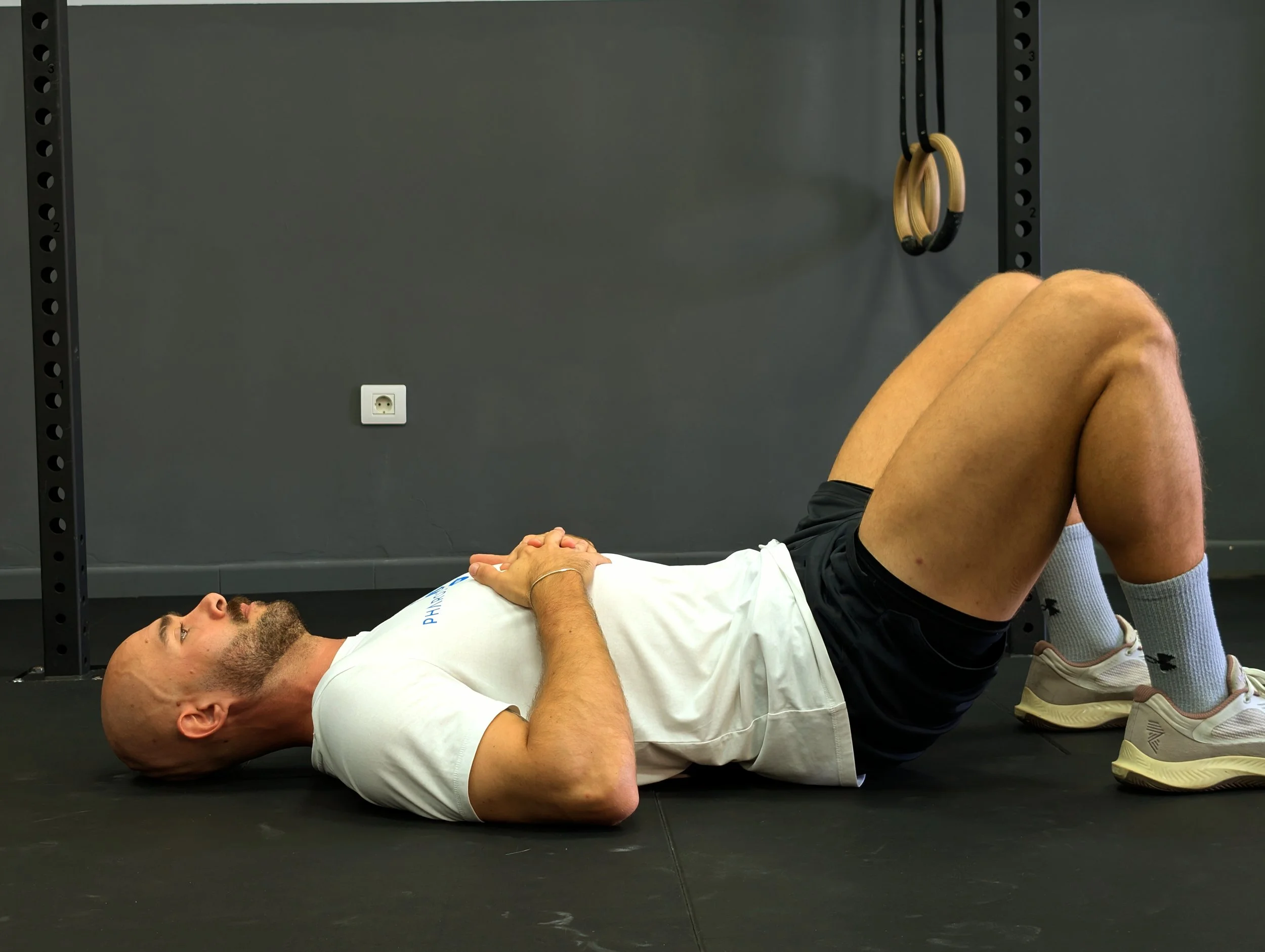
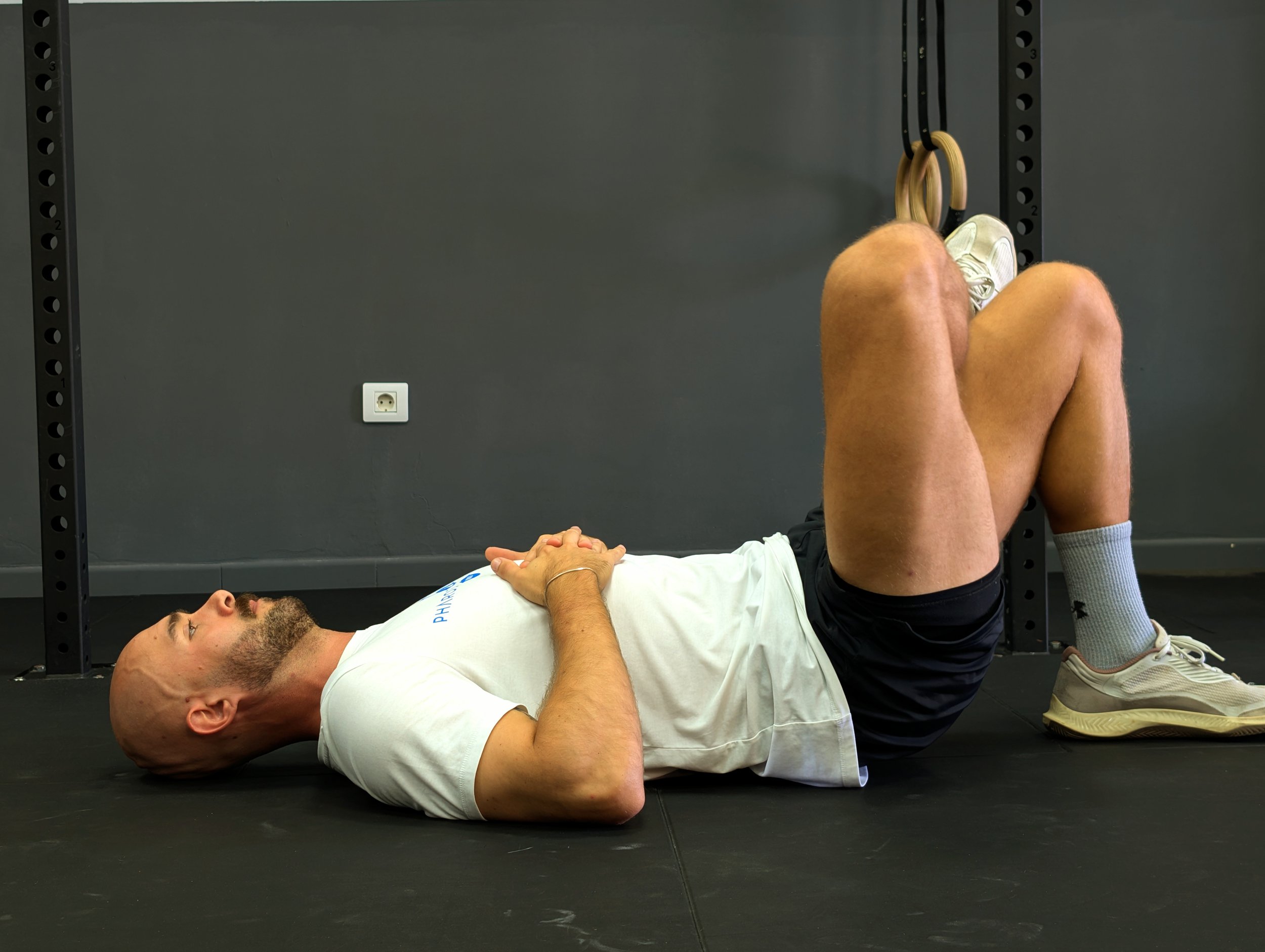
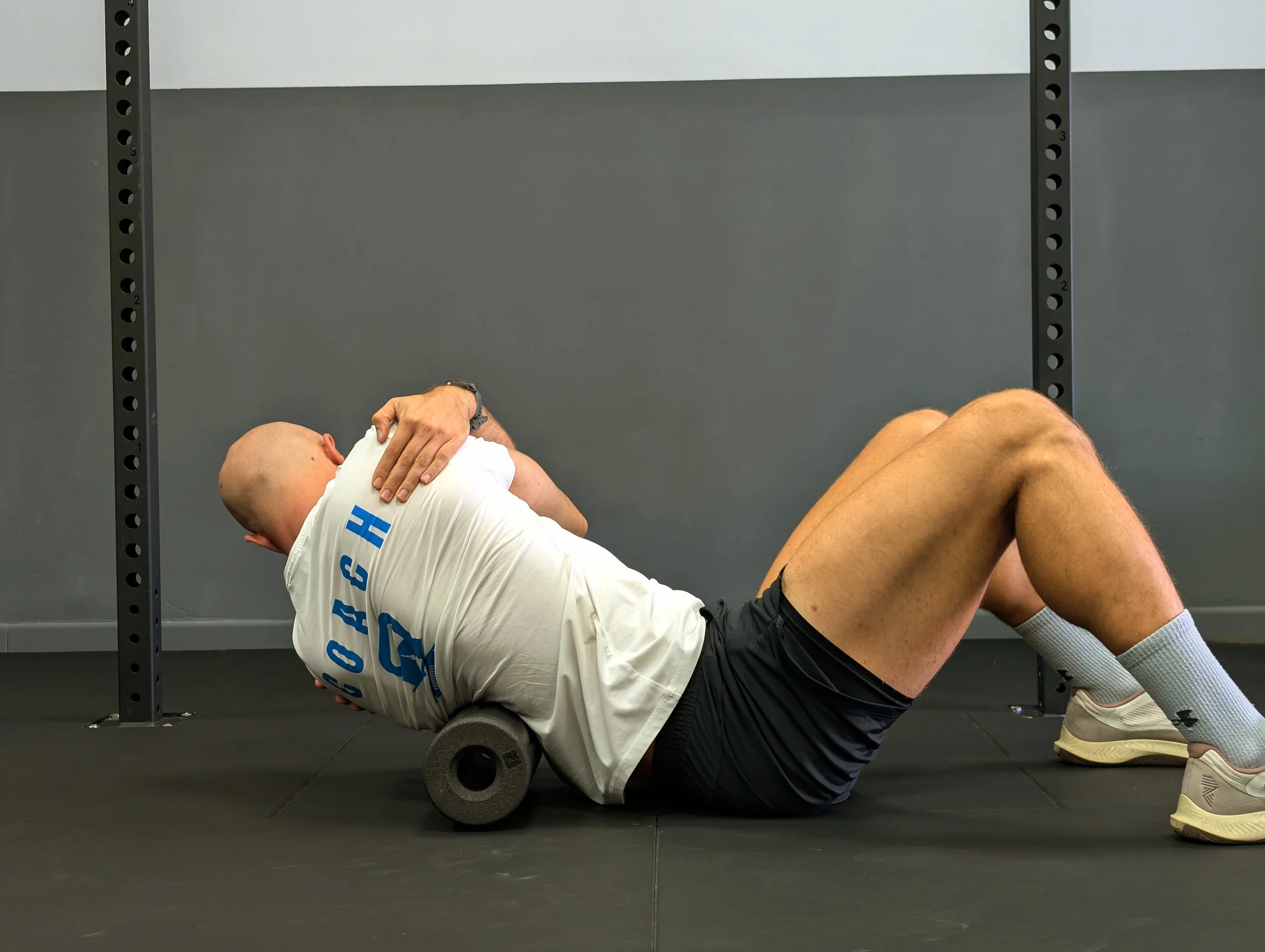
How: Lie on your back, feet flat on the floor or elevated on a box/chair (helps keep spine neutral). Place a small ball under your lower back, just beside the spine (not directly on it), near the top of your hip bone. Gently shift your hips side-to-side, rolling the ball across the muscle fibres (pressure wave). If you find a tight spot, pause, breathe, and gently contract/relax the area. Cross one leg over the other to change the angle.
Tools: Small Ball (lacrosse recommended).
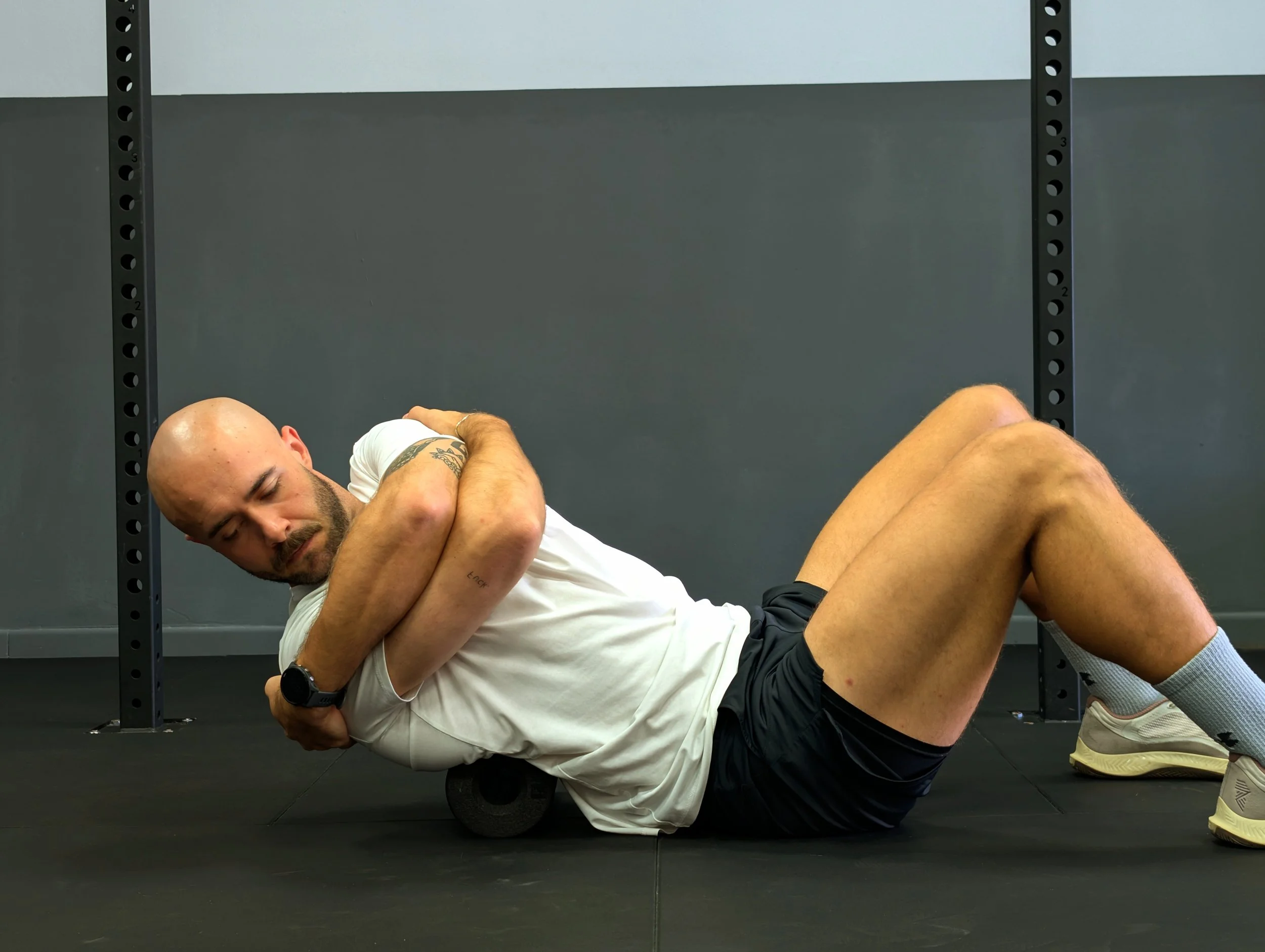
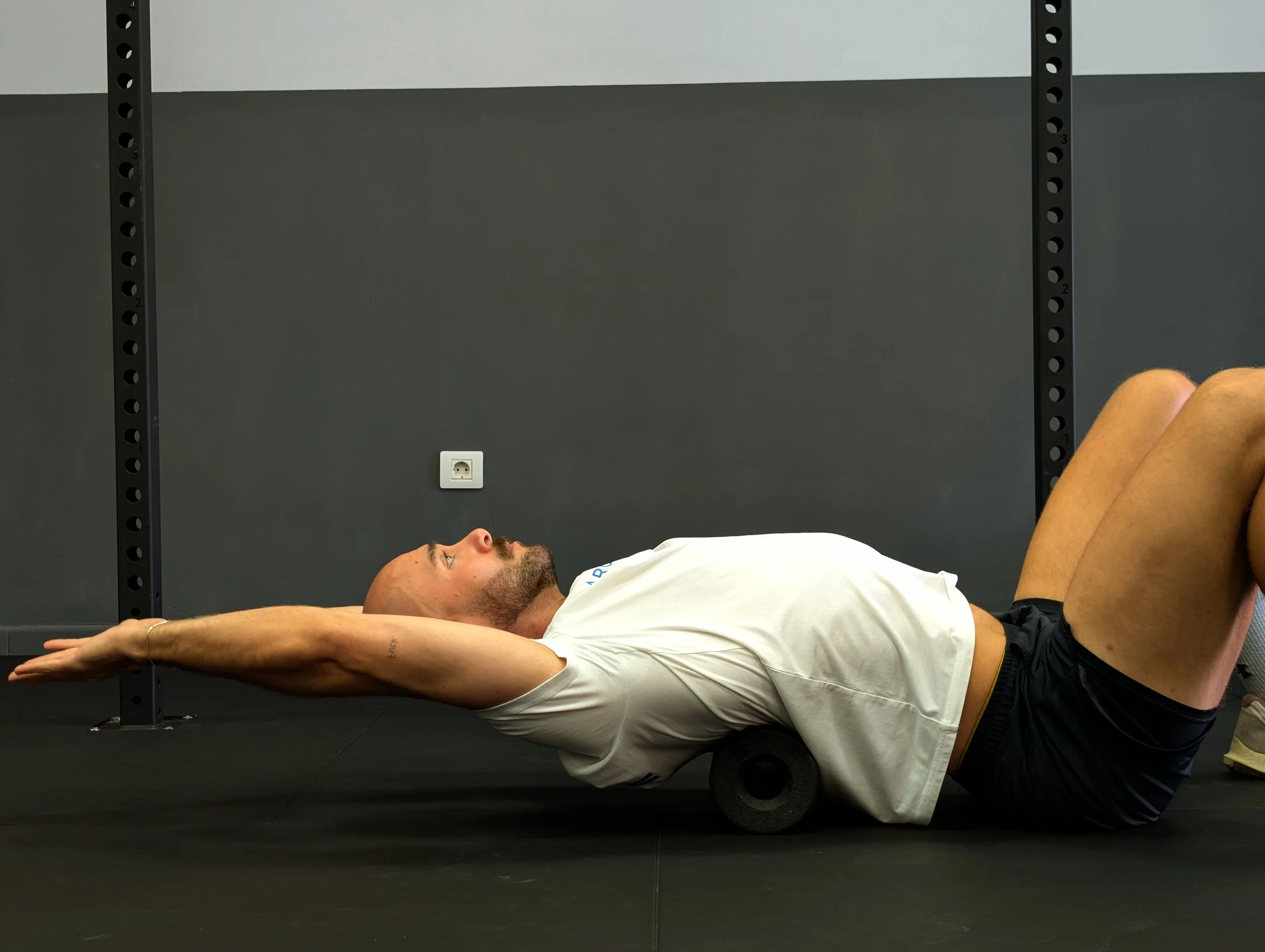
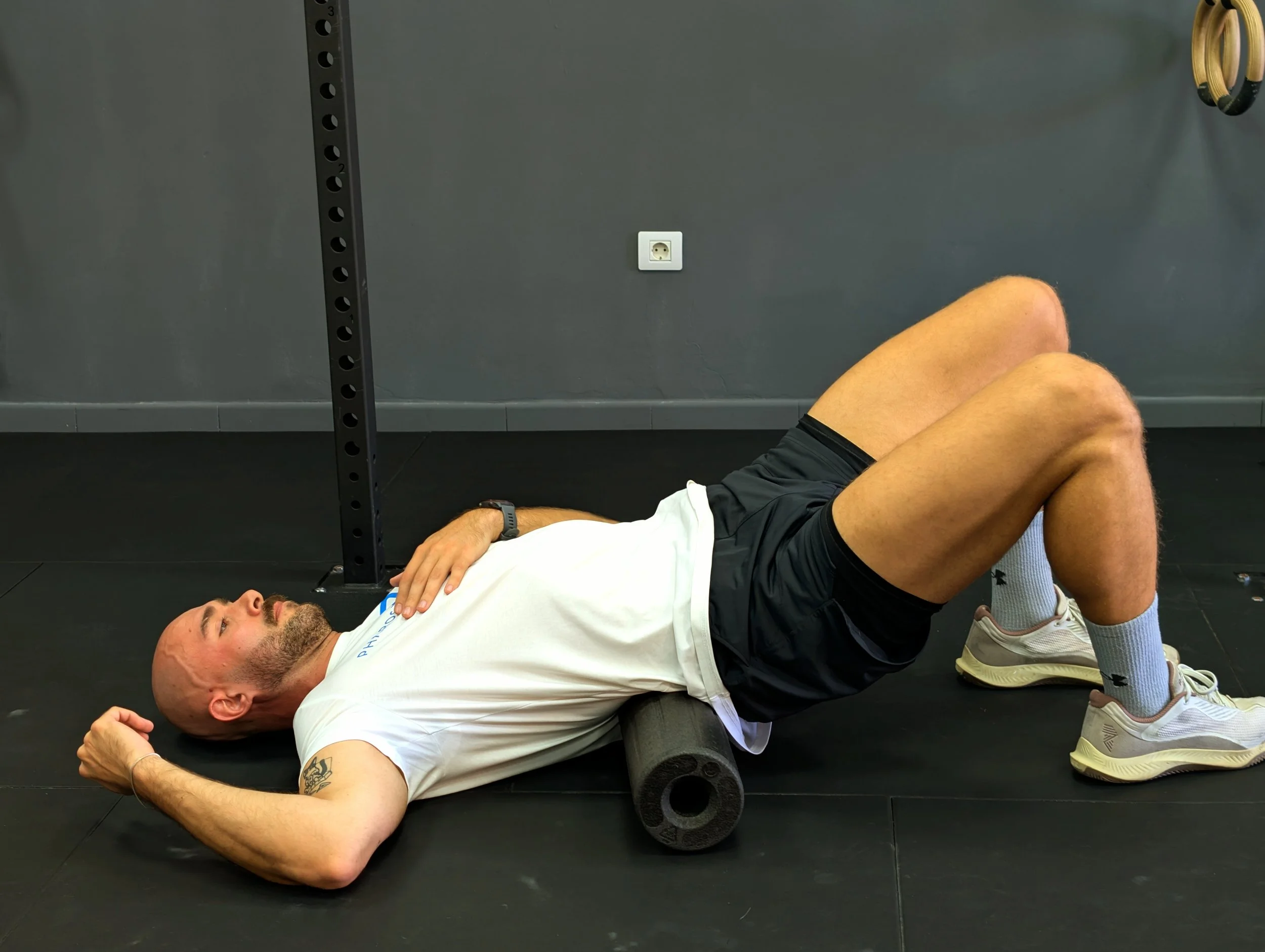
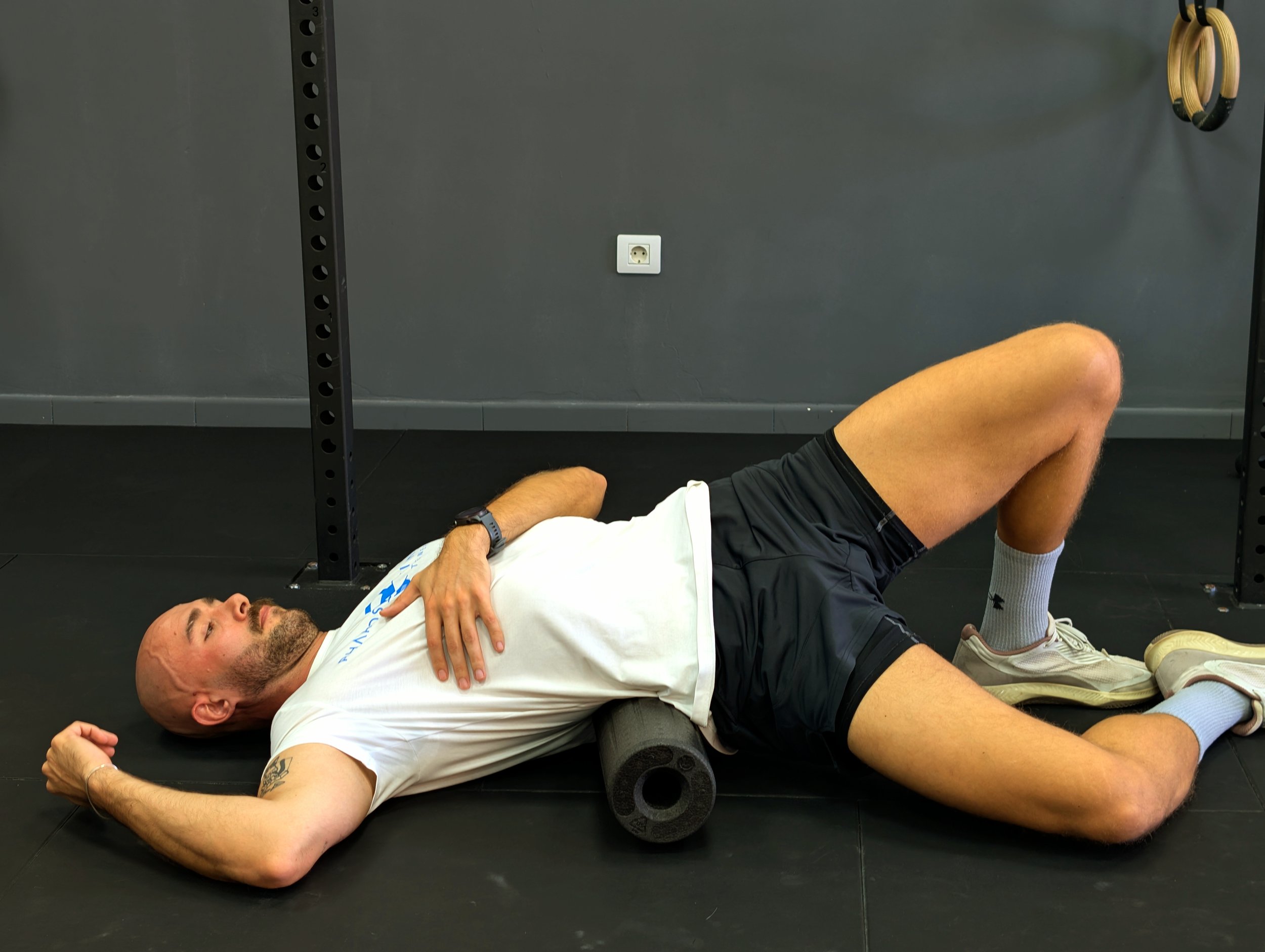
2. Low Back Rotation (Double Ball/Peanut)
Why: Improves mobility between individual vertebrae in your lower back, helping with rotational stiffness.
How: Lie on your back, feet flat or elevated. Place a peanut tool (or two taped lacrosse balls) horizontally across your lower back so the spine rests between the balls. Keep your core gently braced. Slowly drop both knees side-to-side, creating a gentle twist through the segment on the tool. Move the tool up/down to target different levels.
Tool: Peanut Tool.
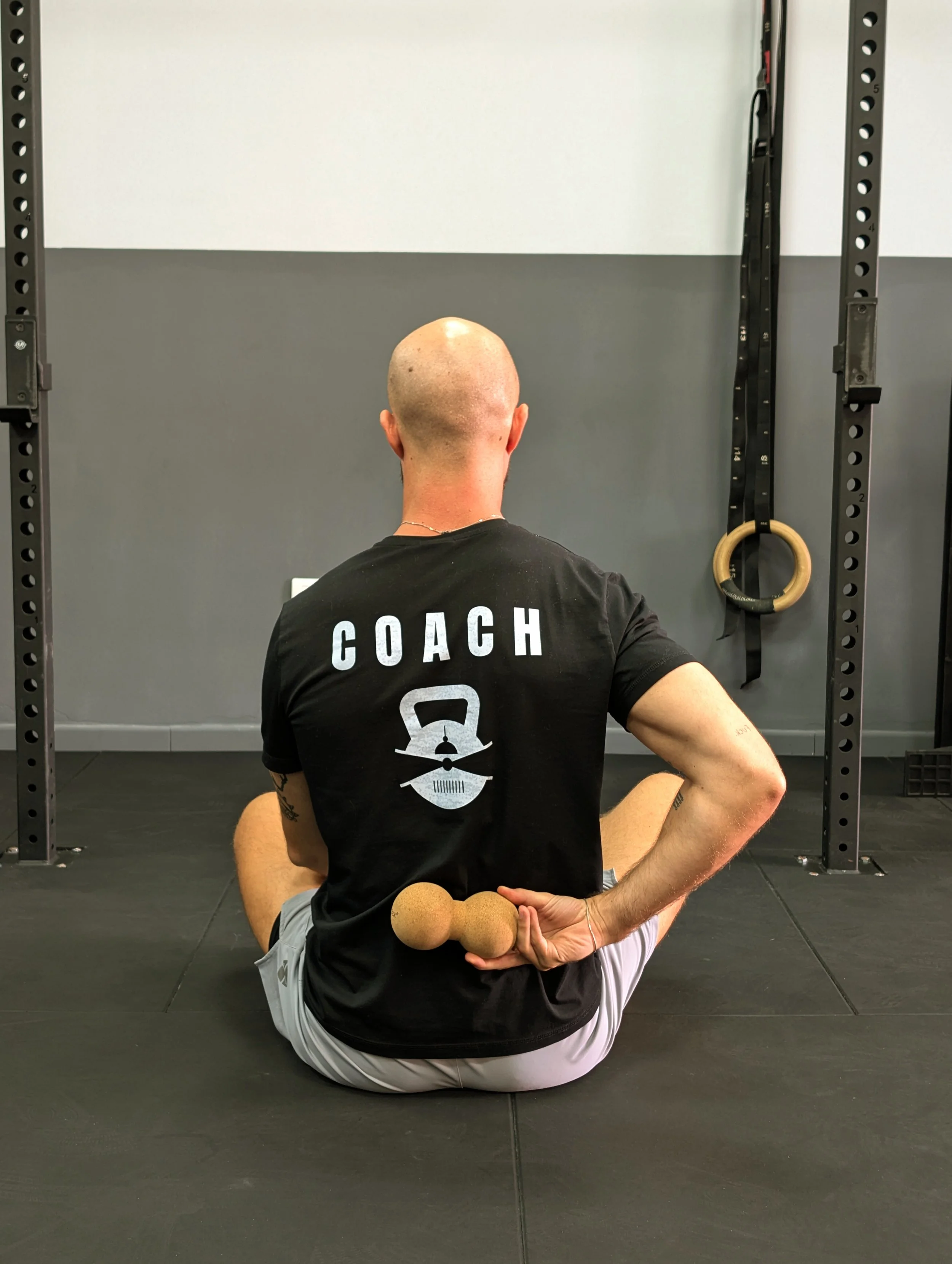

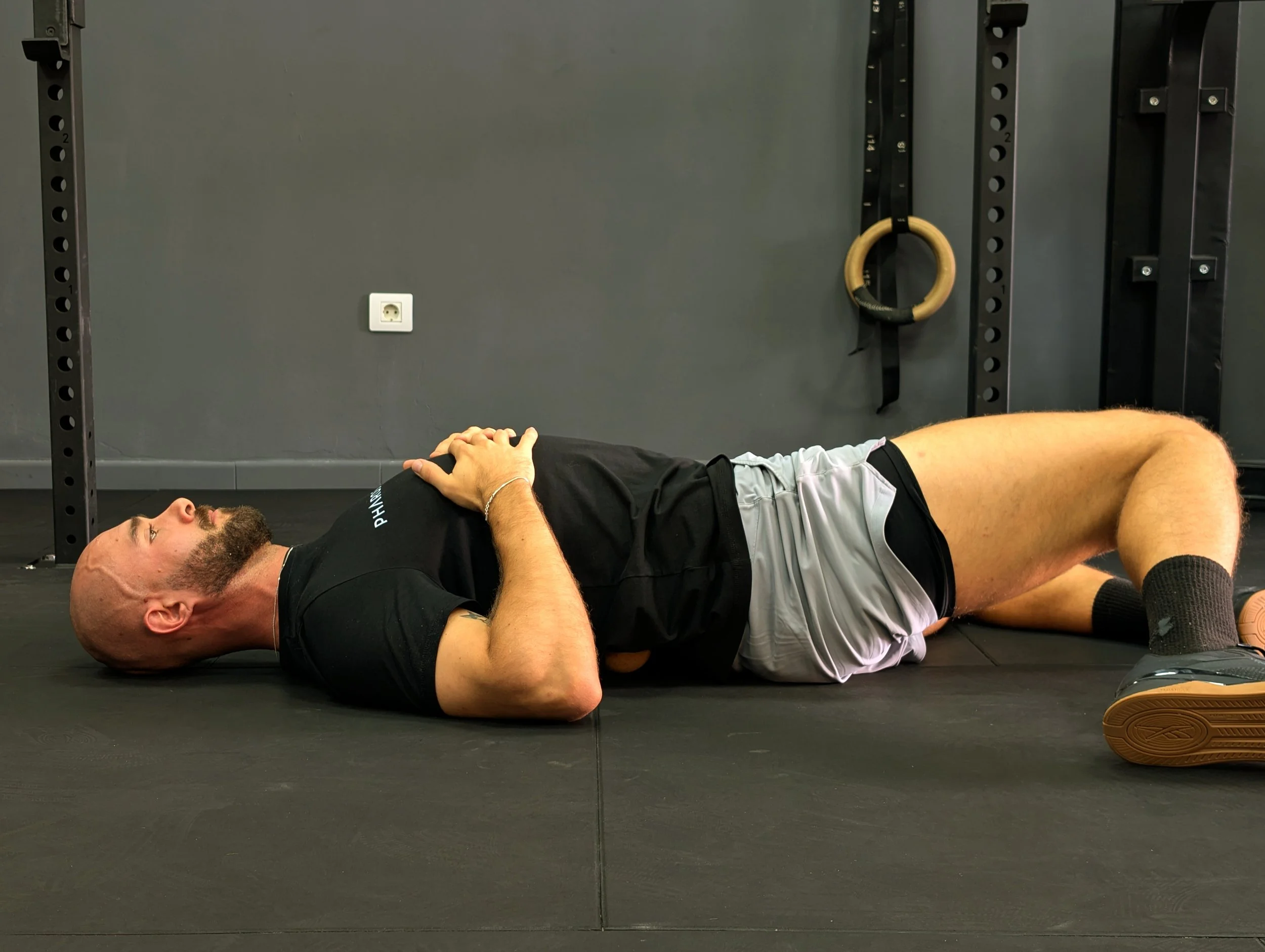
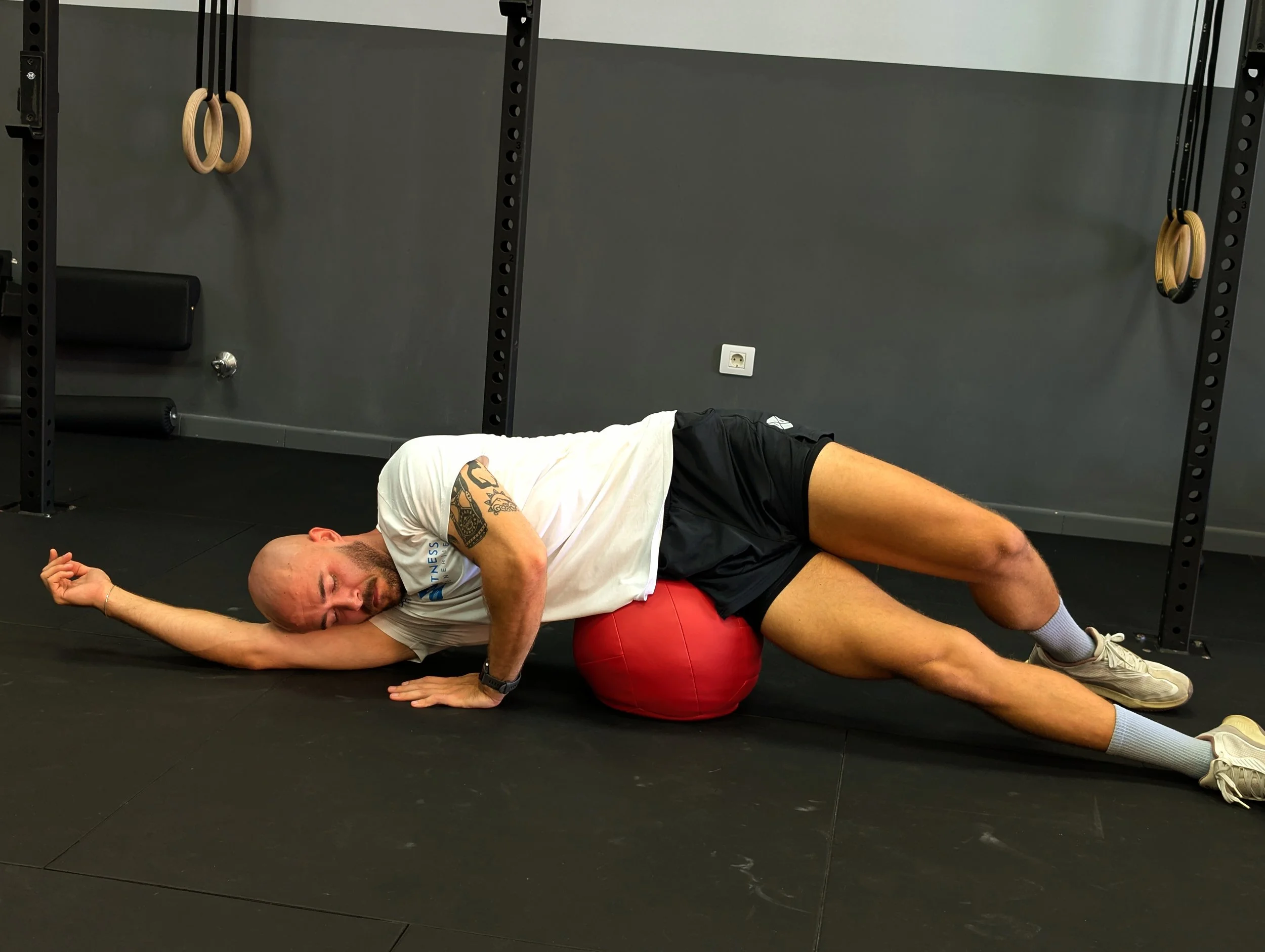
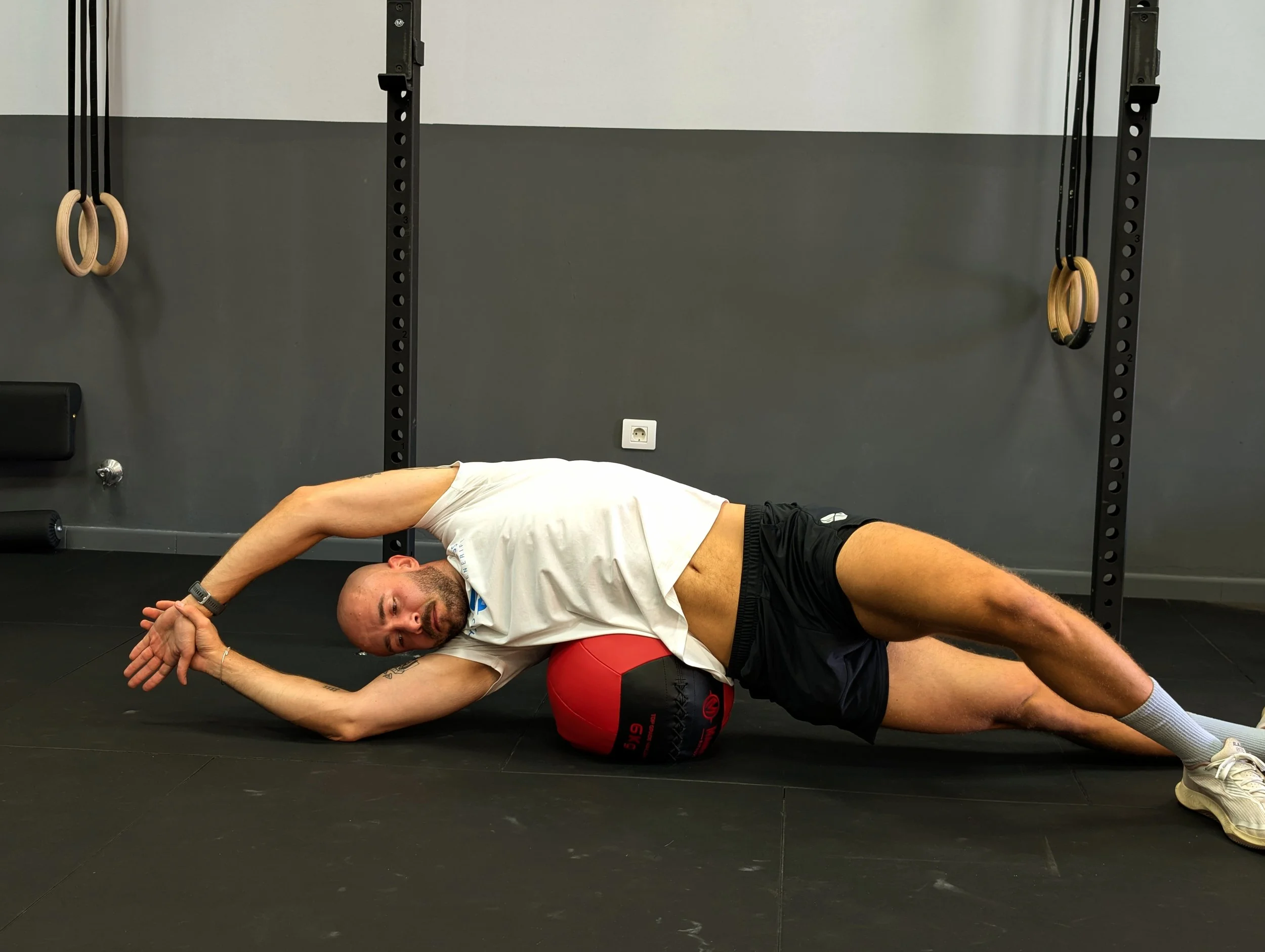
3. QL Side Smash
Why: Targets the Quadratus Lumborum (QL) muscle deep in your flank (side of low back), which often gets tight from poor posture or side-bending imbalances.
How: Lie on your side. Place a large ball (or roller) under your side, between your bottom ribs and hip bone. Support your upper body with your forearm. Gently roll slightly forward and backwards over the ball (pressure wave). Find a tight spot, pause, breathe, and gently contract/relax. Extend your bottom arm overhead for a greater stretch.
Tool: Large Ball (softball size recommended), Roller.
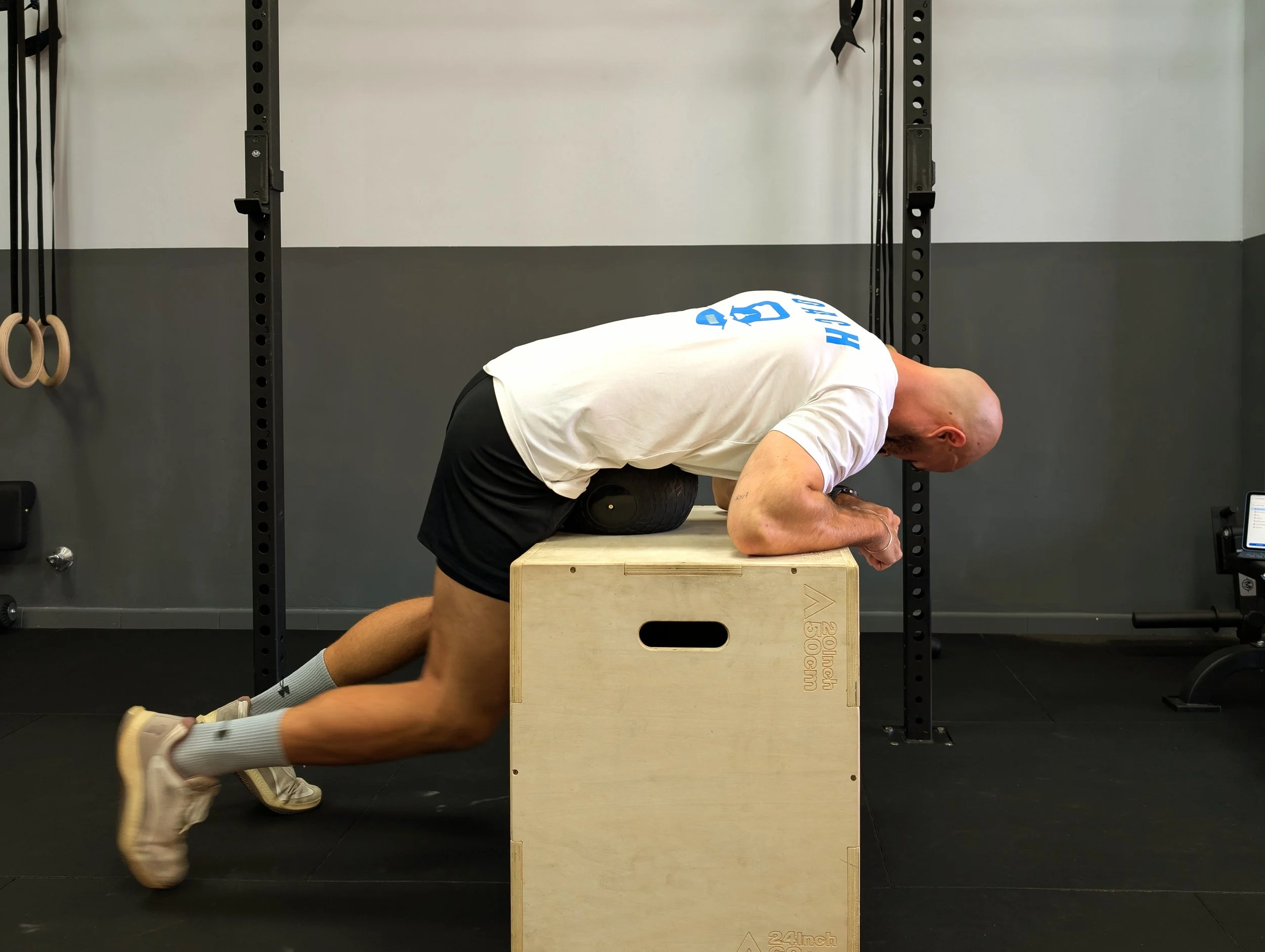
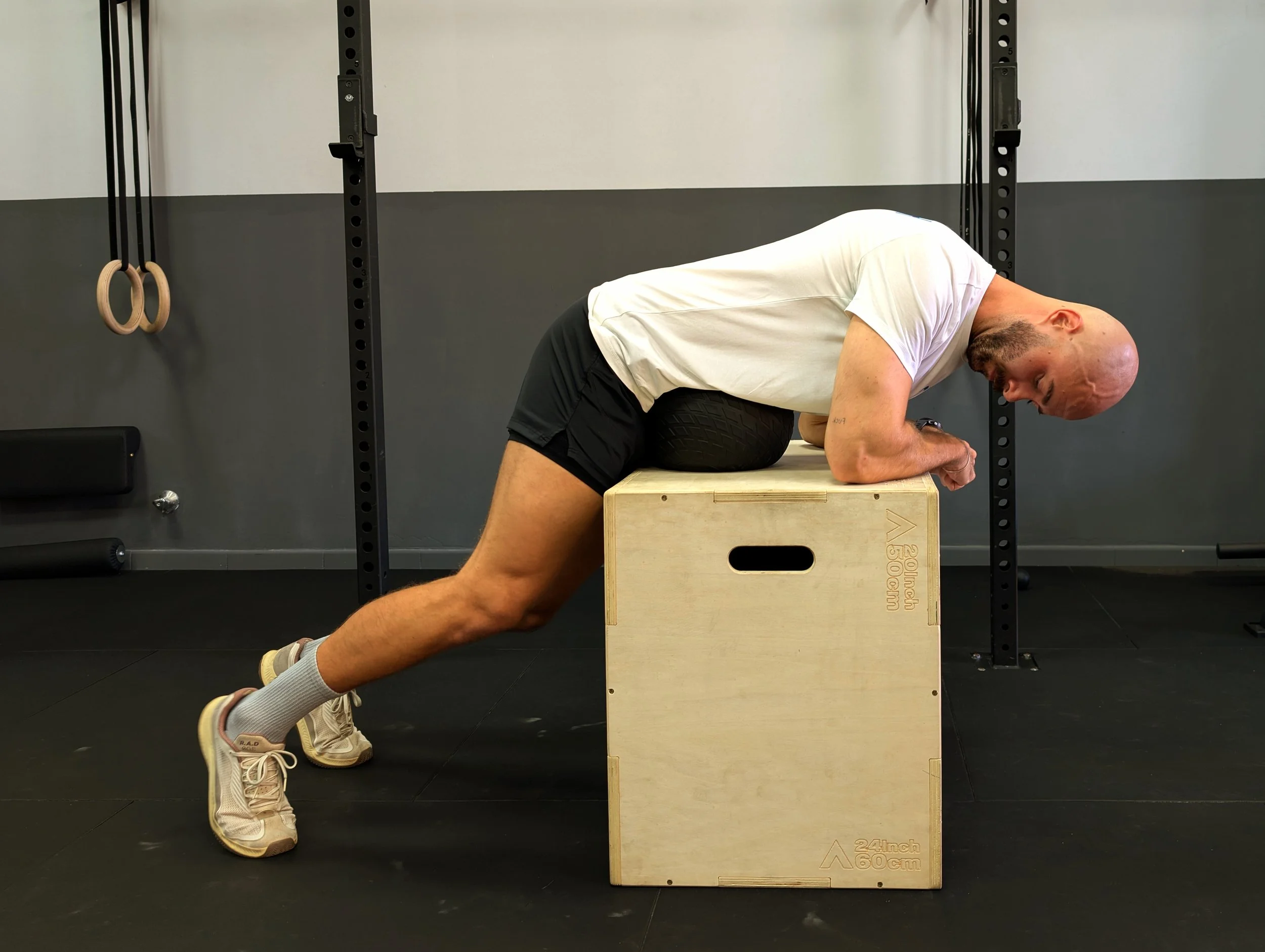
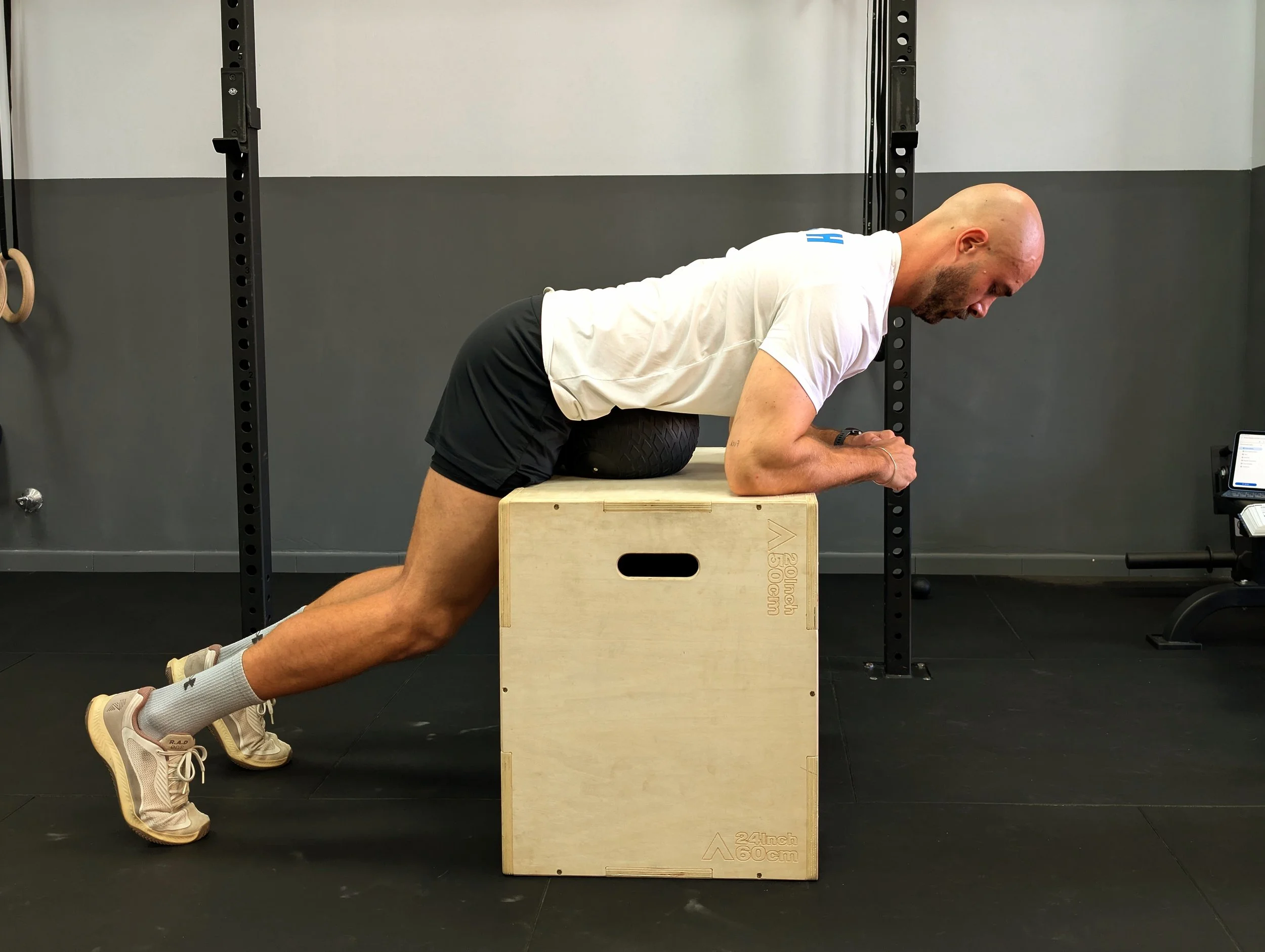
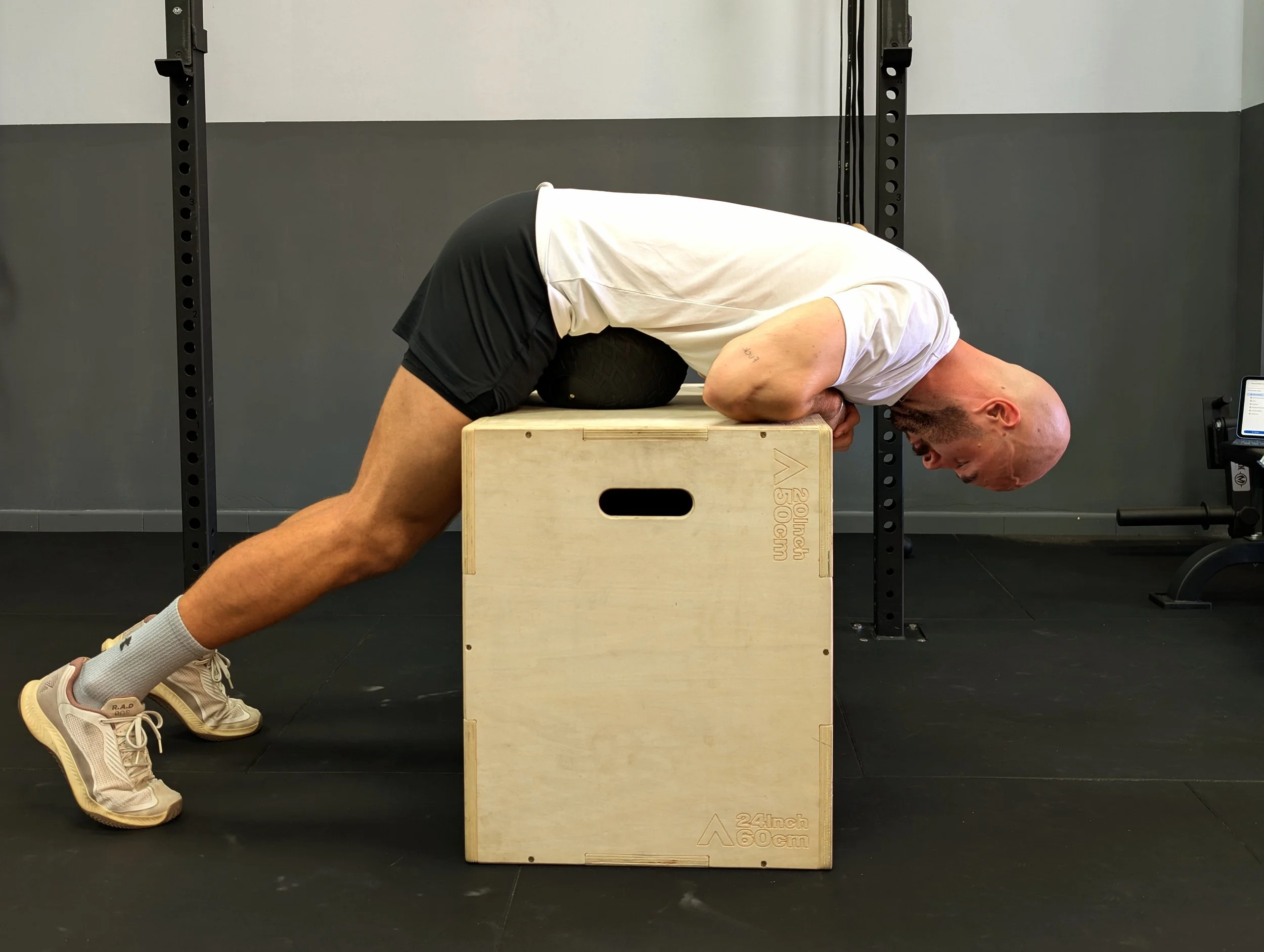
4. Gut Smash (Targeted & Global)
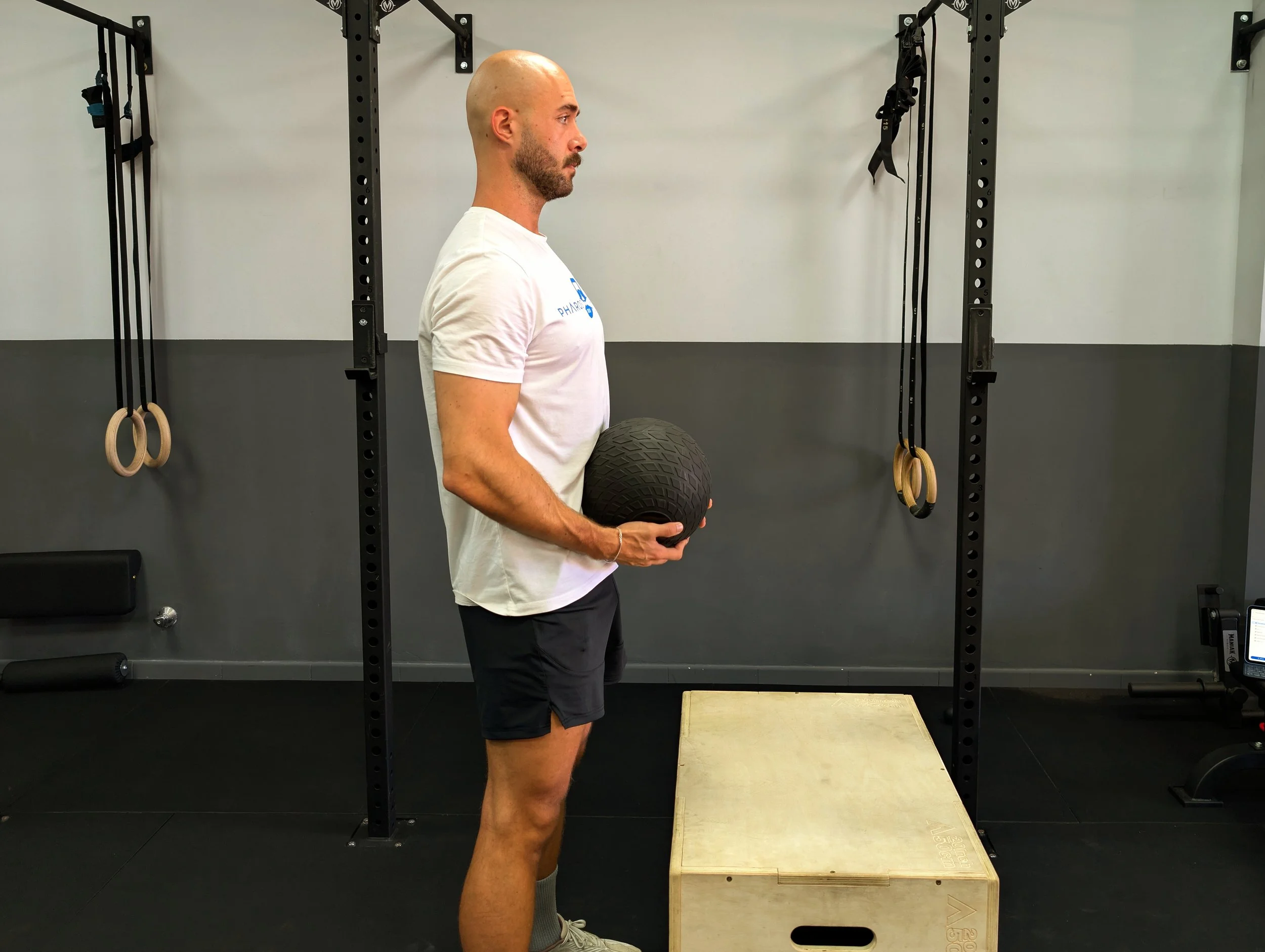
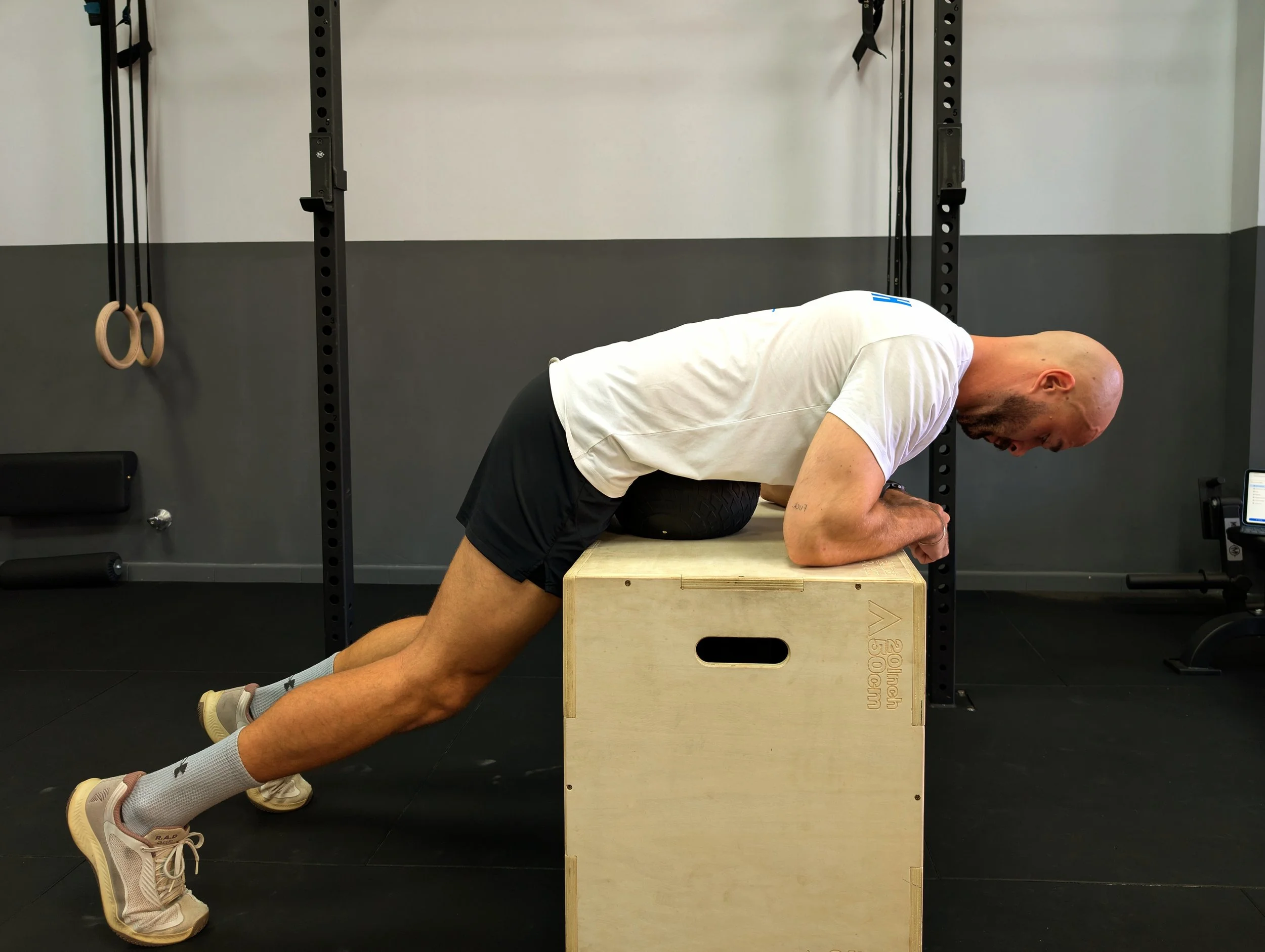
Why: Releases tension in deep abdominal muscles like the psoas, which connect the spine to the legs. Tightness here is a major contributor to low back pain and poor hip extension.
How:
Targeted: Use a large ball against a box/stool, leaning over it, OR use a small ball (+/- KB weight for pressure) lying face down . Place the ball between the navel and the hip bone, or lower near the groin. Relax weight onto the ball, breathing deeply. Floss by gently bending/straightening the knee, or moving the leg side-to-side.
Global: Use a larger, softer ball (slightly deflated soccer/volleyball). Lie face down over the ball in your belly area. Relax completely onto the ball, breathing deep belly breaths for 2-5 minutes, allowing tissues to soften. Gently roll around exploring different areas.
Tool: Small Ball, Large Ball, Soft Large Ball, Kettlebell (optional). (Allow more time for Global Smash: 5-10 mins total).
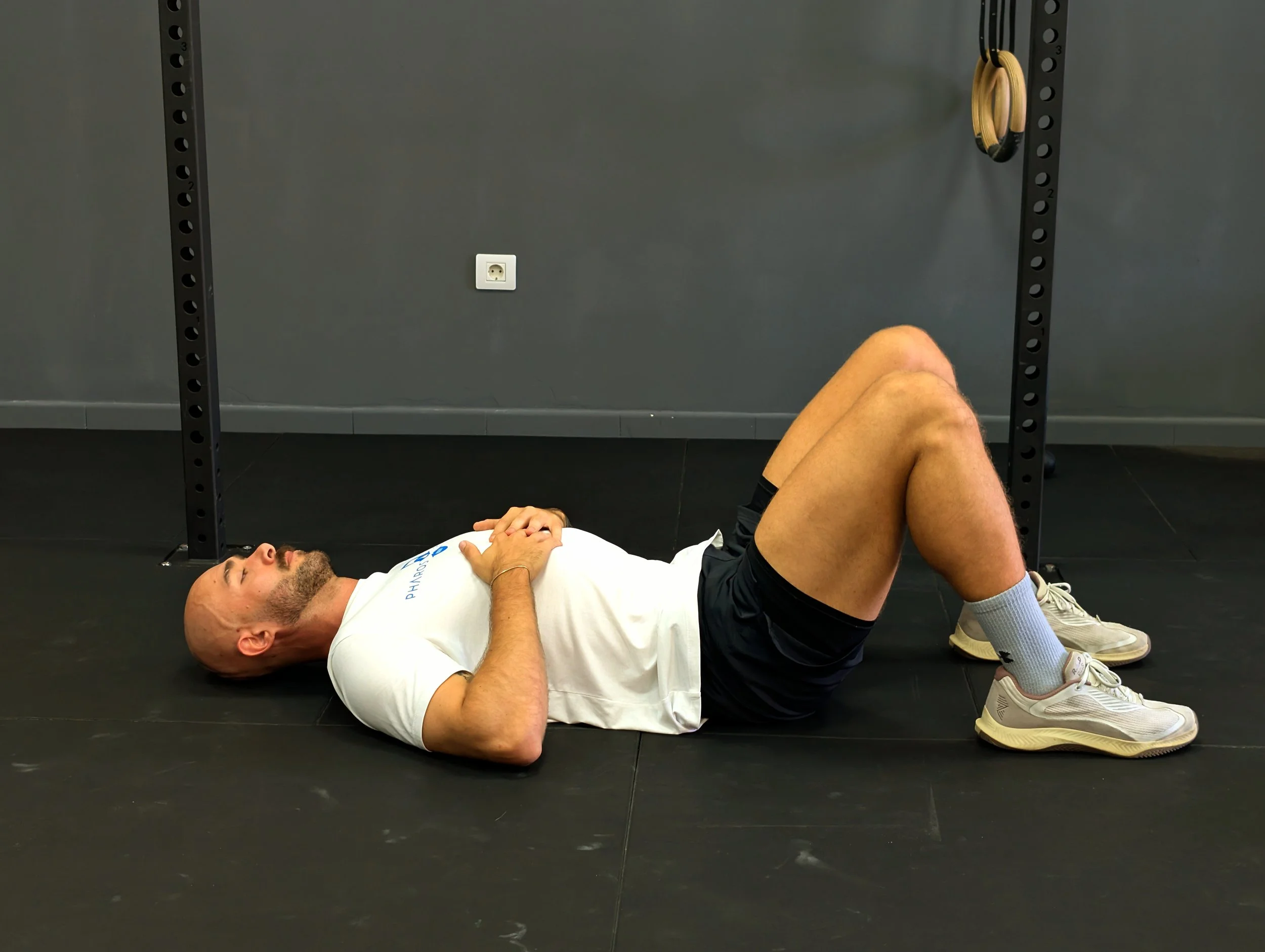
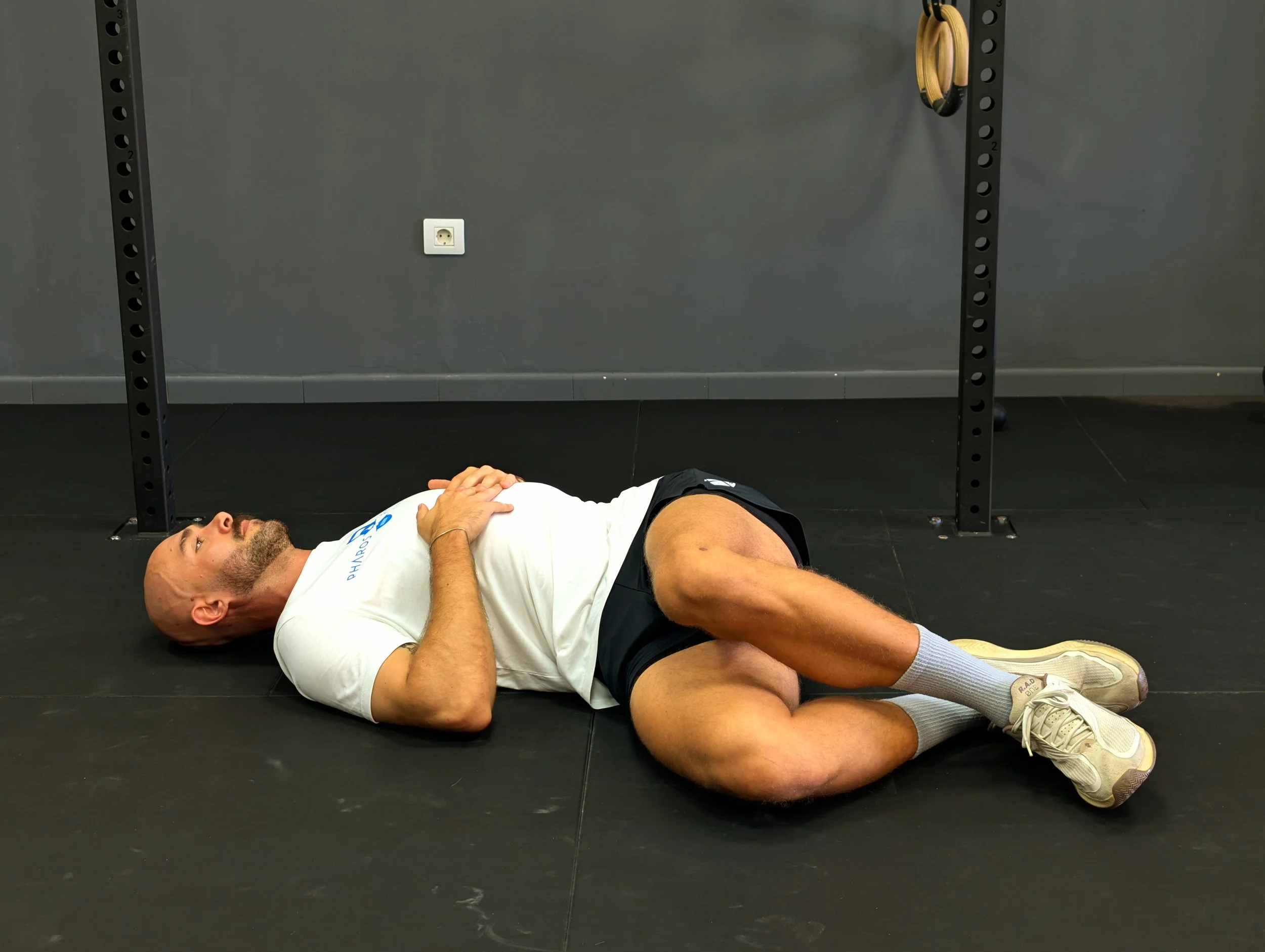
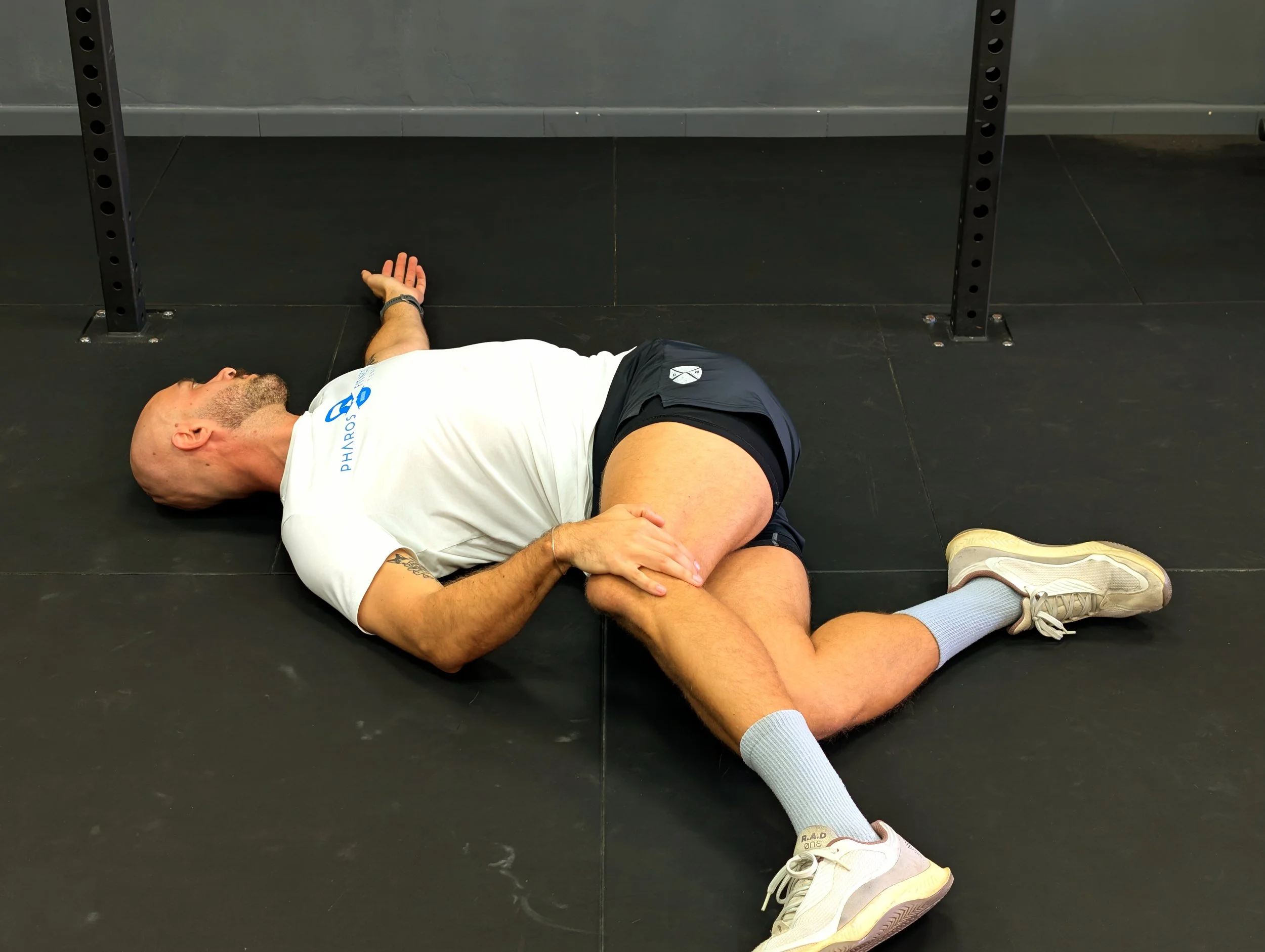
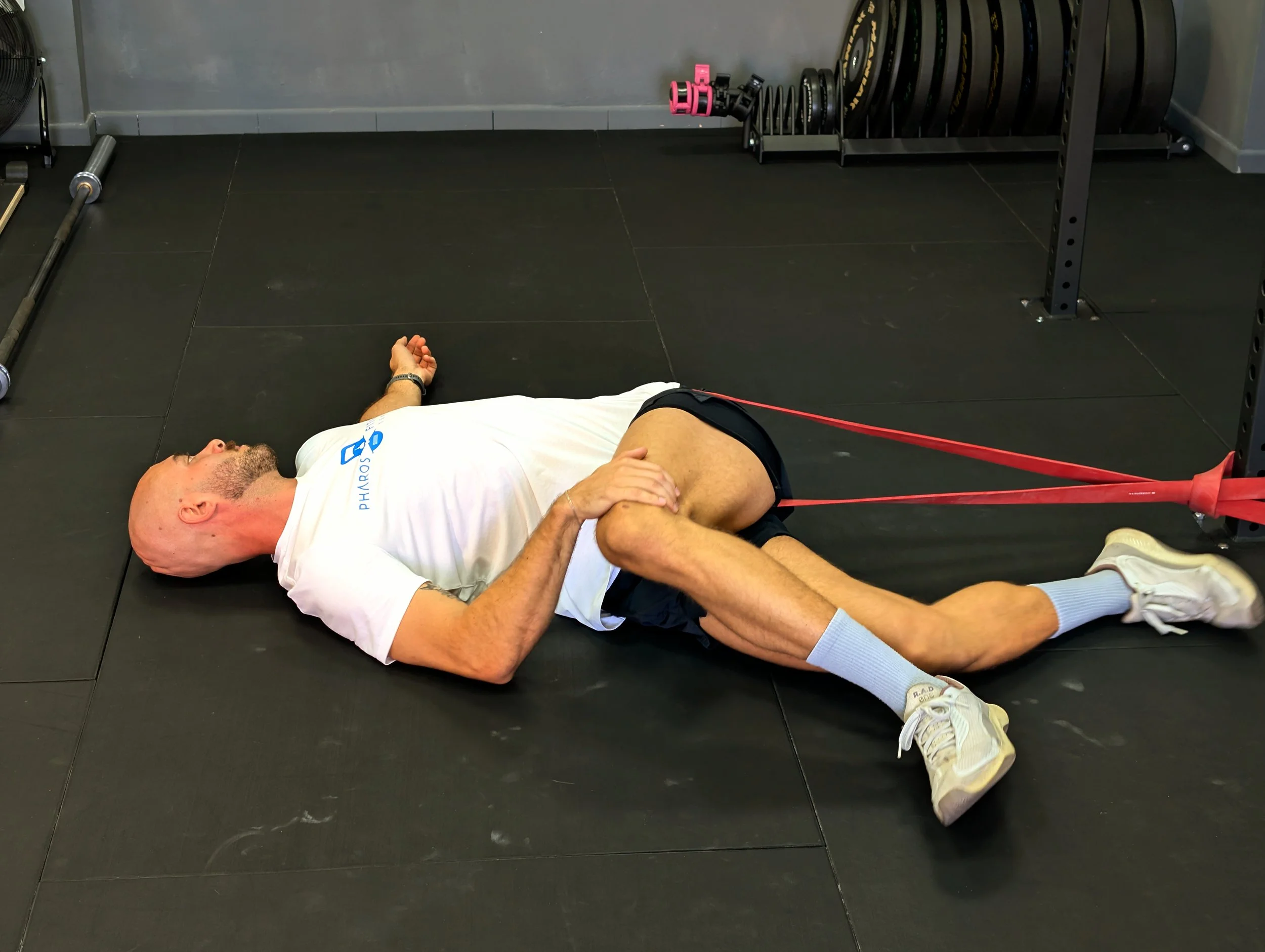
5. Classic Spinal Twist
Why: Gentle rotational mobilisation for the entire trunk. Good cool-down or morning movement.
How: Lie on back, knees bent, feet flat. Drop both knees to one side, keeping the opposite shoulder blade down. Look away from knees. Breathe deeply. Use top hand on knee for gentle overpressure if comfortable. Can use a band pulling hip towards feet for added decompression.
Tool: Optional Band.
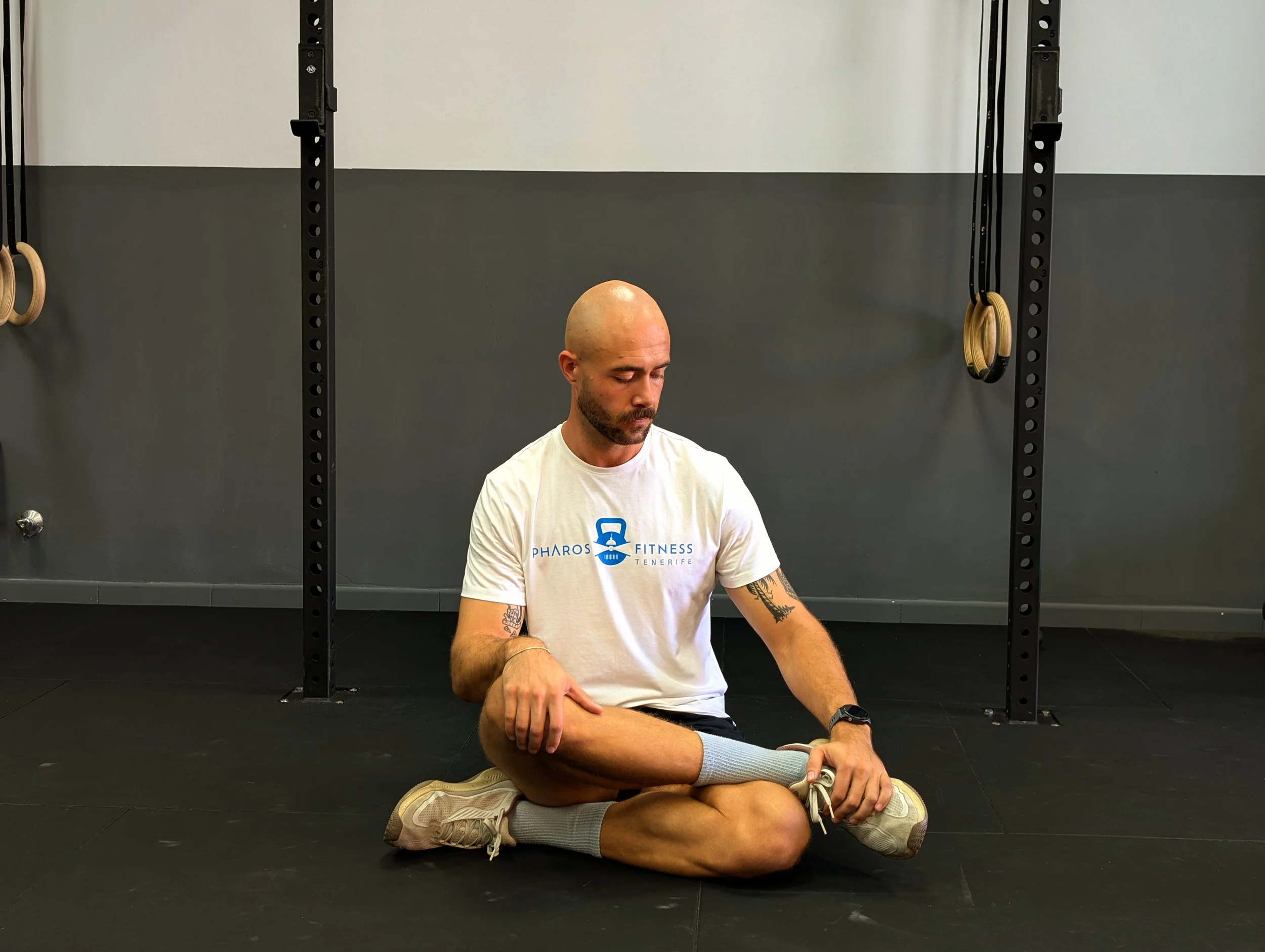
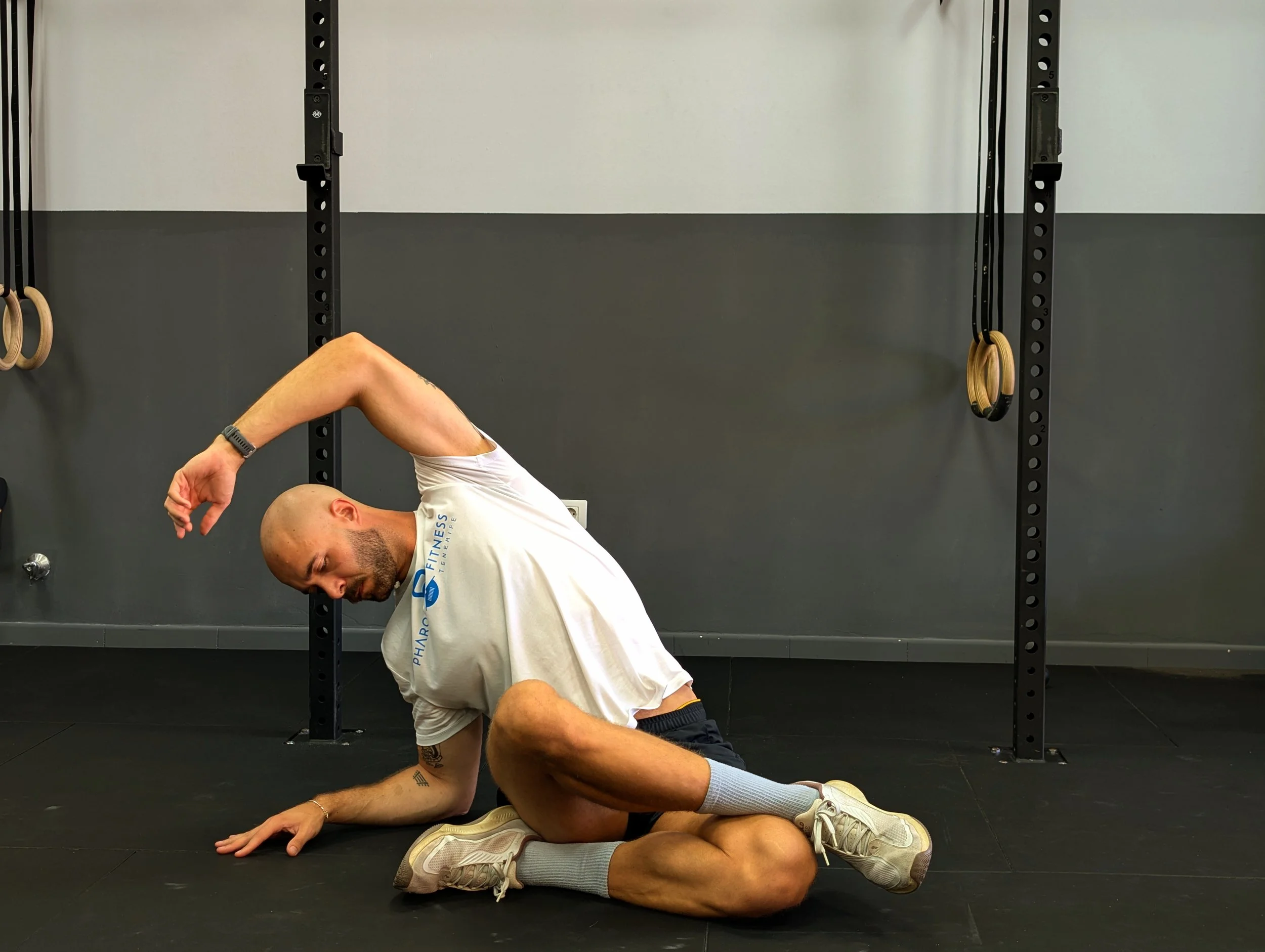
6. Lateral Hip Opener / Side Bend
Why: Stretches the entire side body (obliques, QL, lats), improving side-bending mobility.
How: Sit cross-legged (or one leg straight). Reach one arm overhead and bend towards the opposite side, keeping both sit bones grounded. Breathe into the side stretch. Can also drape body over a keg or large stability ball.
Tool: Optional Keg/Stability Ball.
Key Reminders for Success:
Brace First! Always engage your core before lifting or moving to protect your lower back. Practice the Bracing Sequence daily.
Sit Smart: Avoid slumping. Sit on your sit bones at the edge of the chair, keep core engaged, or use proper lumbar support. Stand up and move every 20-30 minutes!
Hinge, Don't Bend: When picking things up, push hips back, keep back flat (Hip Hinge). Don't round your lower back.
Belly Breathe: Deep diaphragmatic breathing helps relax the psoas and core muscles.
Check Hips & Hamstrings: Tightness downstream directly affects low back mechanics.
Important Notes:
Acute Pain: If you have severe, sharp, low back pain, nerve symptoms down the leg, or diagnosed disc issues, be VERY gentle. Focus on positional relief (lying down, gentle movement) and consult a professional. Avoid aggressive smashing or end-range movements initially.
Gut Smash Caution: Start gently. Avoid pulsing structures. Discomfort is okay; sharp pain is not. Don't do it aggressively right before heavy lifting.
Listen: Pay attention to your body. Mobilise around acutely painful spots initially, focusing on upstream/downstream areas.