
MOBILITY - UPPER LEG
Welcome! This program addresses the large, powerful muscles of your upper leg: the quadriceps (front), hamstrings (back), and adductors (inner thigh) . Stiffness in these areas is extremely common, whether from sitting or athletic training, and can significantly impact the health of your hips, knees, and lower back.
Common Issues This Helps:
Knee pain (often linked to tight quads, hamstrings, or adductors)
Hip pain or pinching (impingement)
Low back pain (tight hamstrings/adductors can tilt your pelvis; tight quads/hip flexors can arch your back)
Limited squat depth or poor form (like knees caving in or "butt wink")
Difficulty bending over with a flat back (tight hamstrings)
General upper leg stiffness or soreness
Quick Check (Assessment):
Deep Squat: How deep can you go with feet straight and back flat? Do your knees cave in?
Hip Hinge: Can you touch your toes (or get close) while keeping your back perfectly flat and legs mostly straight?
Couch Stretch: Can you get your back shin flat against a wall and torso upright without arching your low back? (Tests quads/hip flexors)
Feel Test: Gently press into your quads, hamstrings, and inner thighs. Do you find tender, "gristly," or knotted spots?
Your Mobility Practices:
(Aim for approx. 2 minutes per technique/area unless otherwise noted. Breathe deeply!
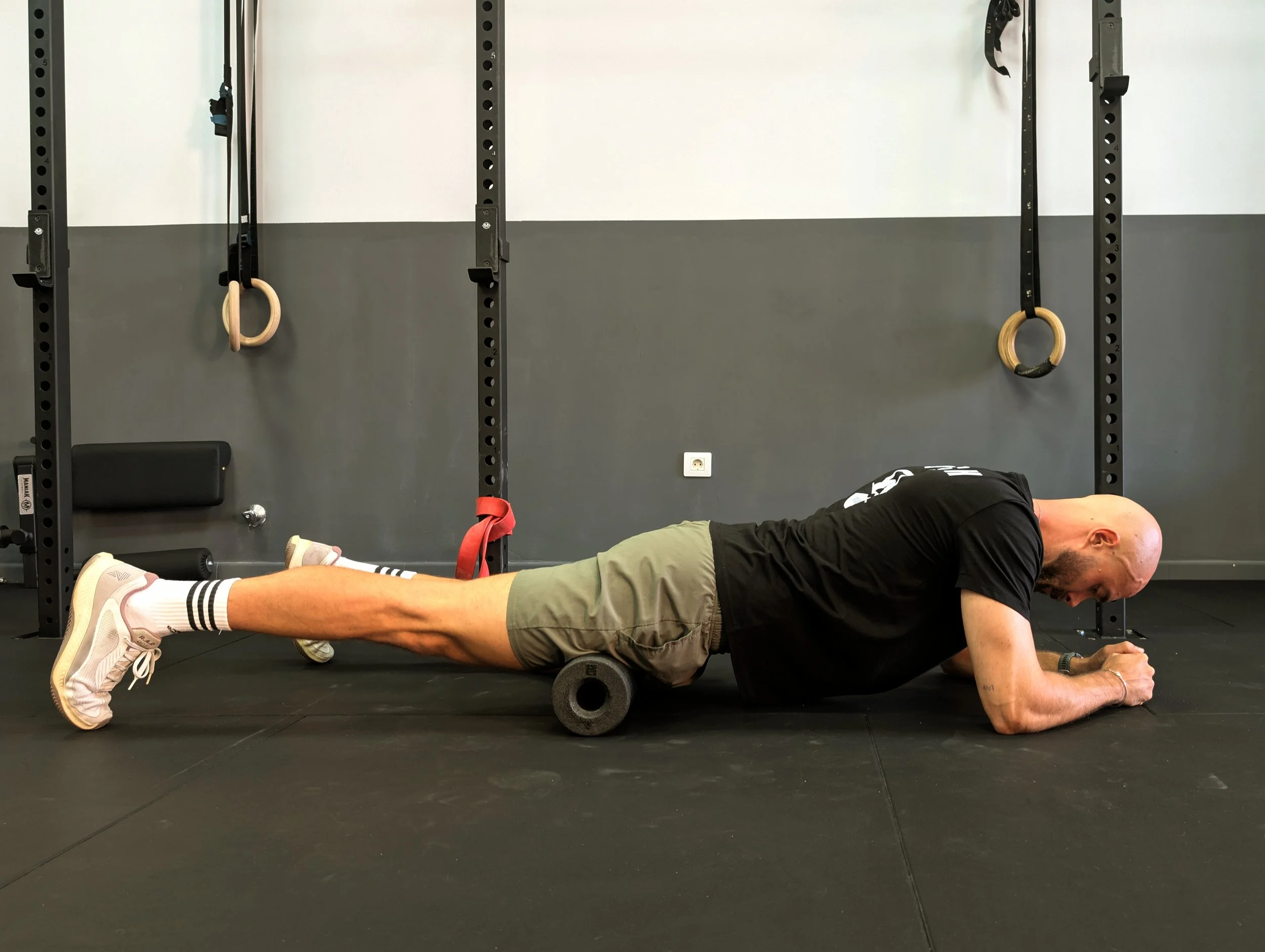
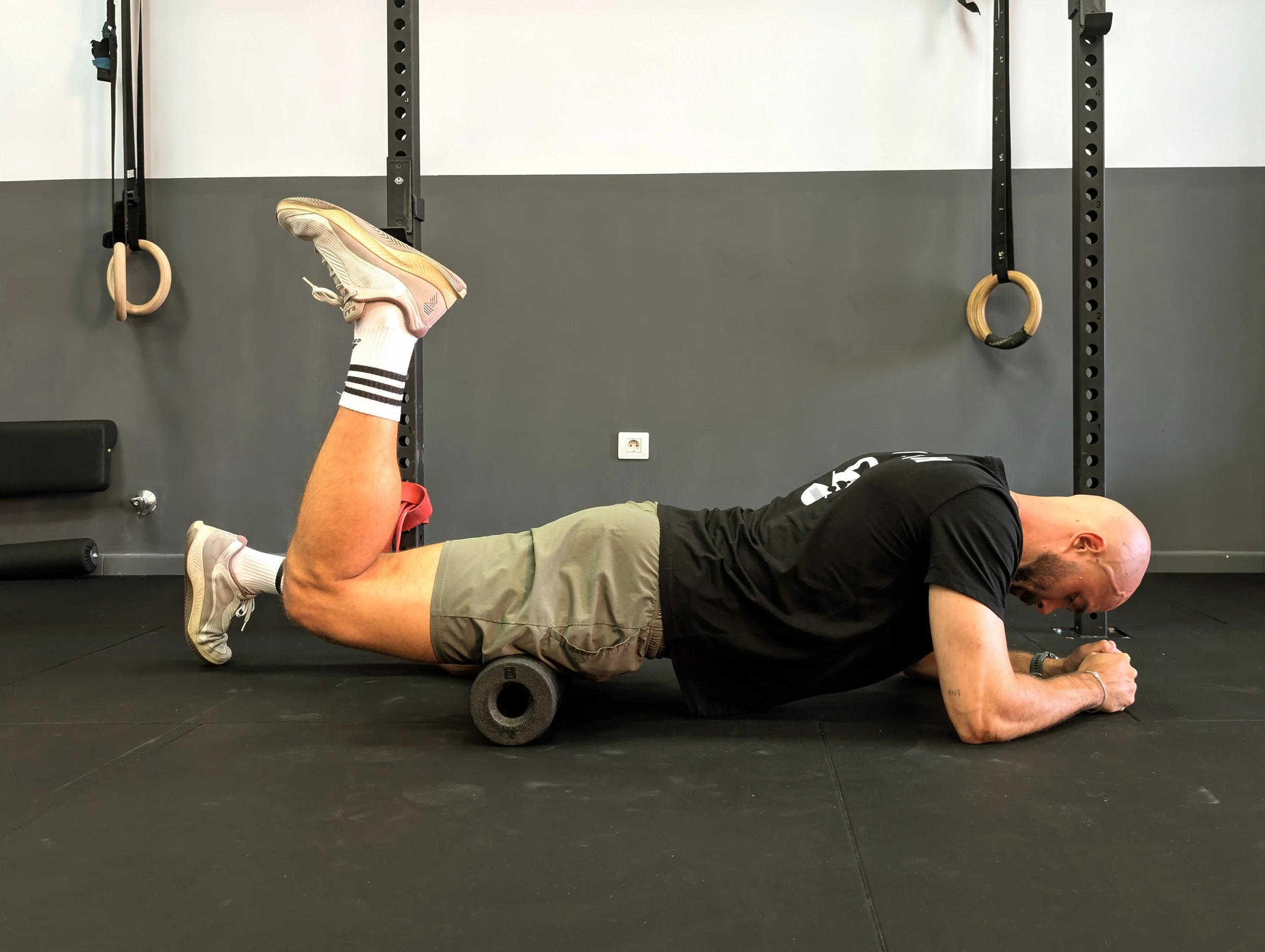
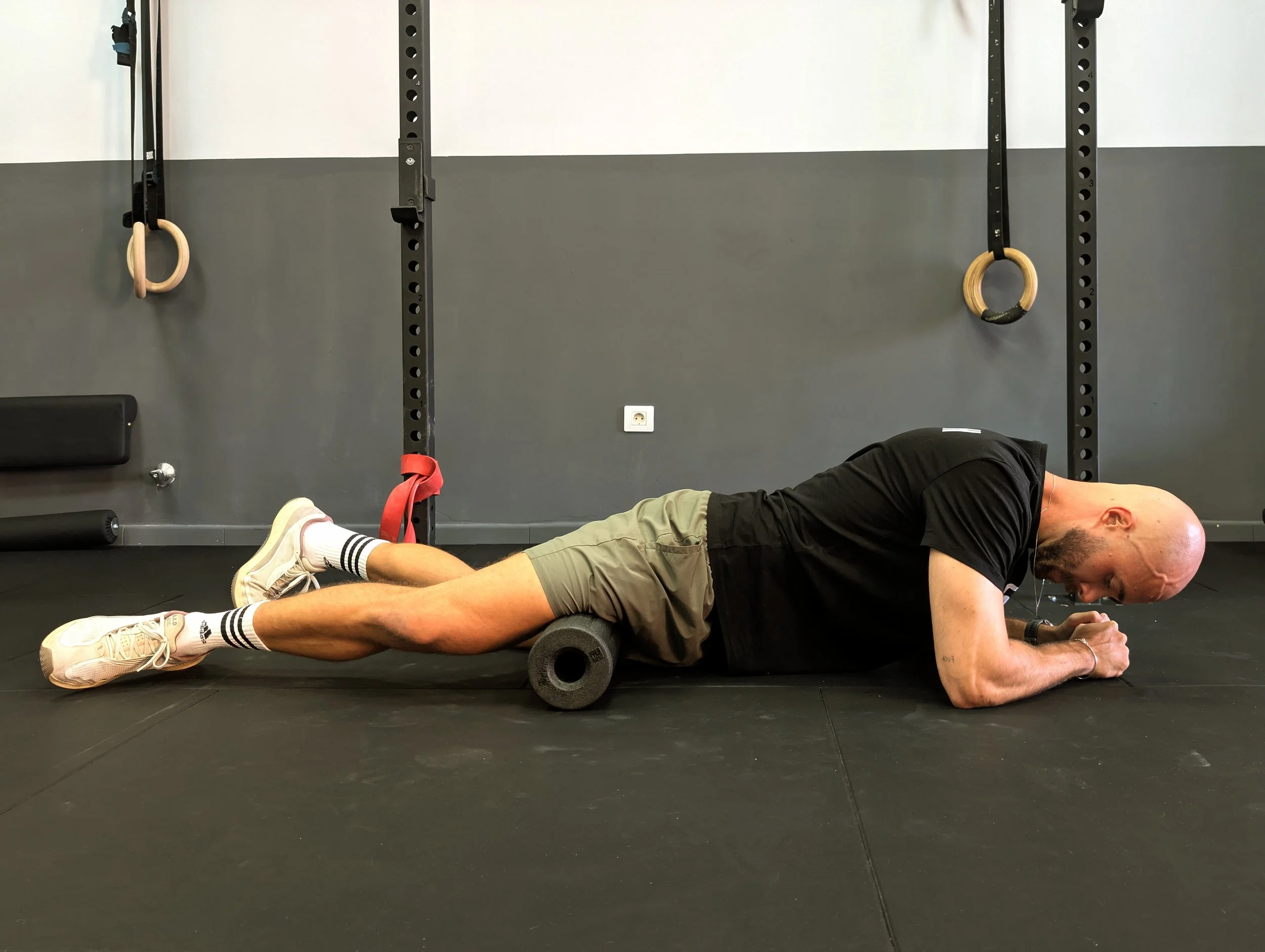
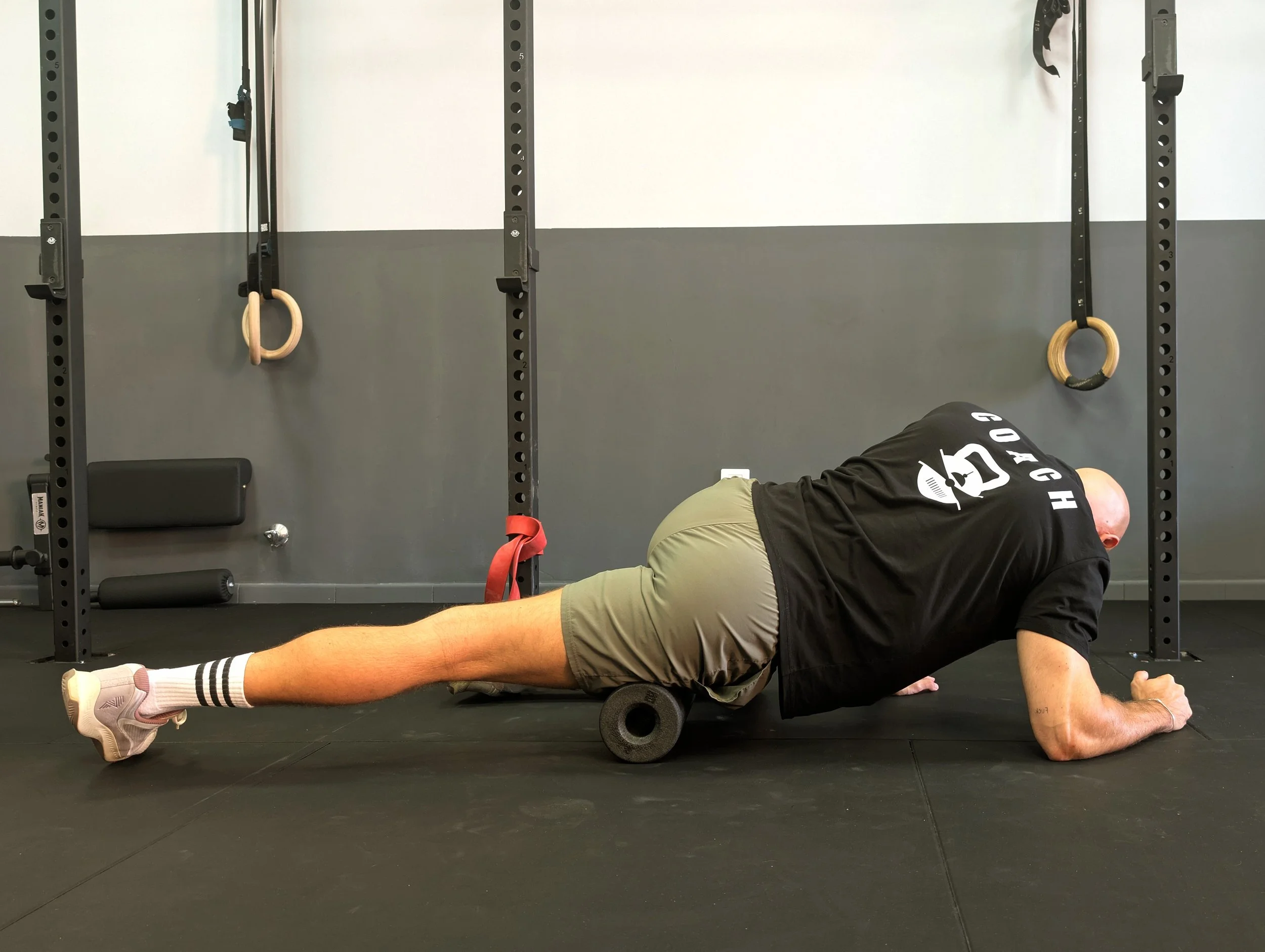
1. Quad Smash
Why: Restores sliding surfaces and suppleness to the front of your thigh. Crucial for knee health, hip mobility, and proper squatting.
How: Lie face down with a roller or barbell sleeve under your quad.
Pressure Wave: Slowly roll side-to-side across the muscle fibres (like rolling dough) .
Smash & Floss: Find a tight spot. Pin it. Slowly bend and straighten your knee .
Contract & Relax: Find a tight spot. Tense your quad for 3-5 seconds, then relax completely, letting the tool sink deeper .
Superfriend: A partner can gently stand on your quad (using their foot arch) while you lie flat for deep, passive pressure
Tools: Roller (foam/hard), Barbell, Large Ball, Superfriend assist
2. 2. Hamstring Smash
Why: Restores sliding surfaces to the back of your thigh. Key for improving your hip hinge (deadlift/bending), squat depth, and reducing low back tension.
How:
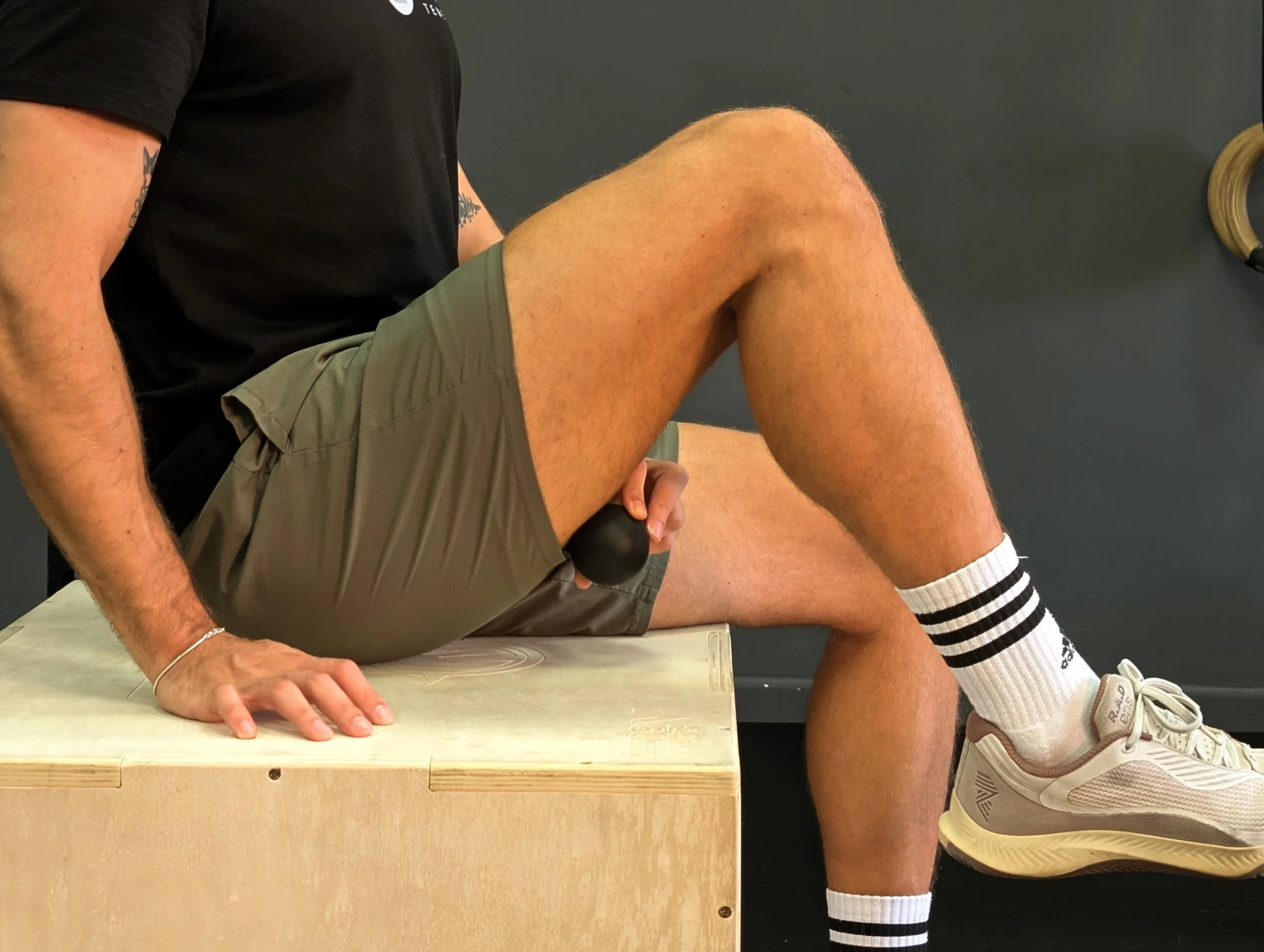
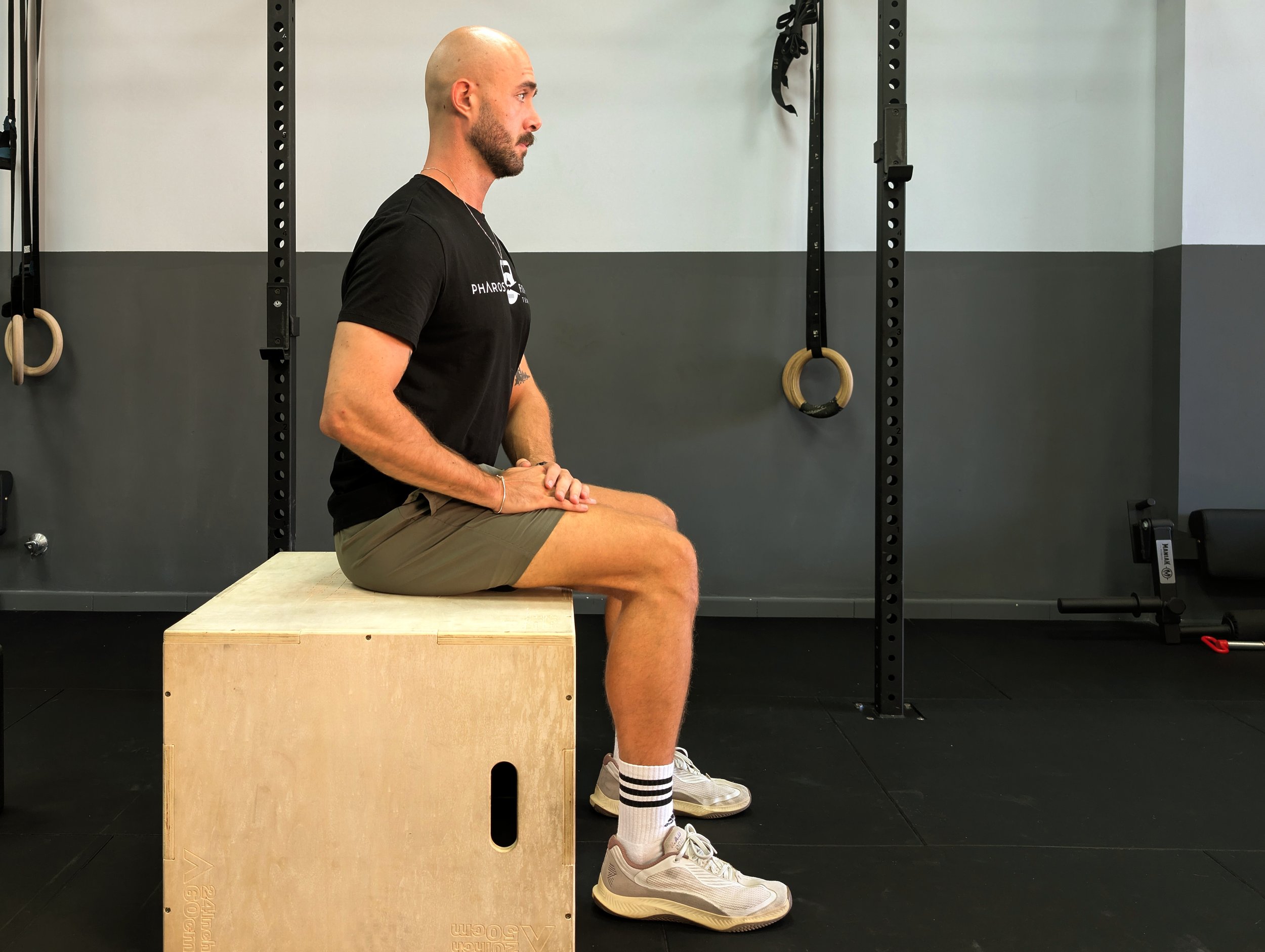
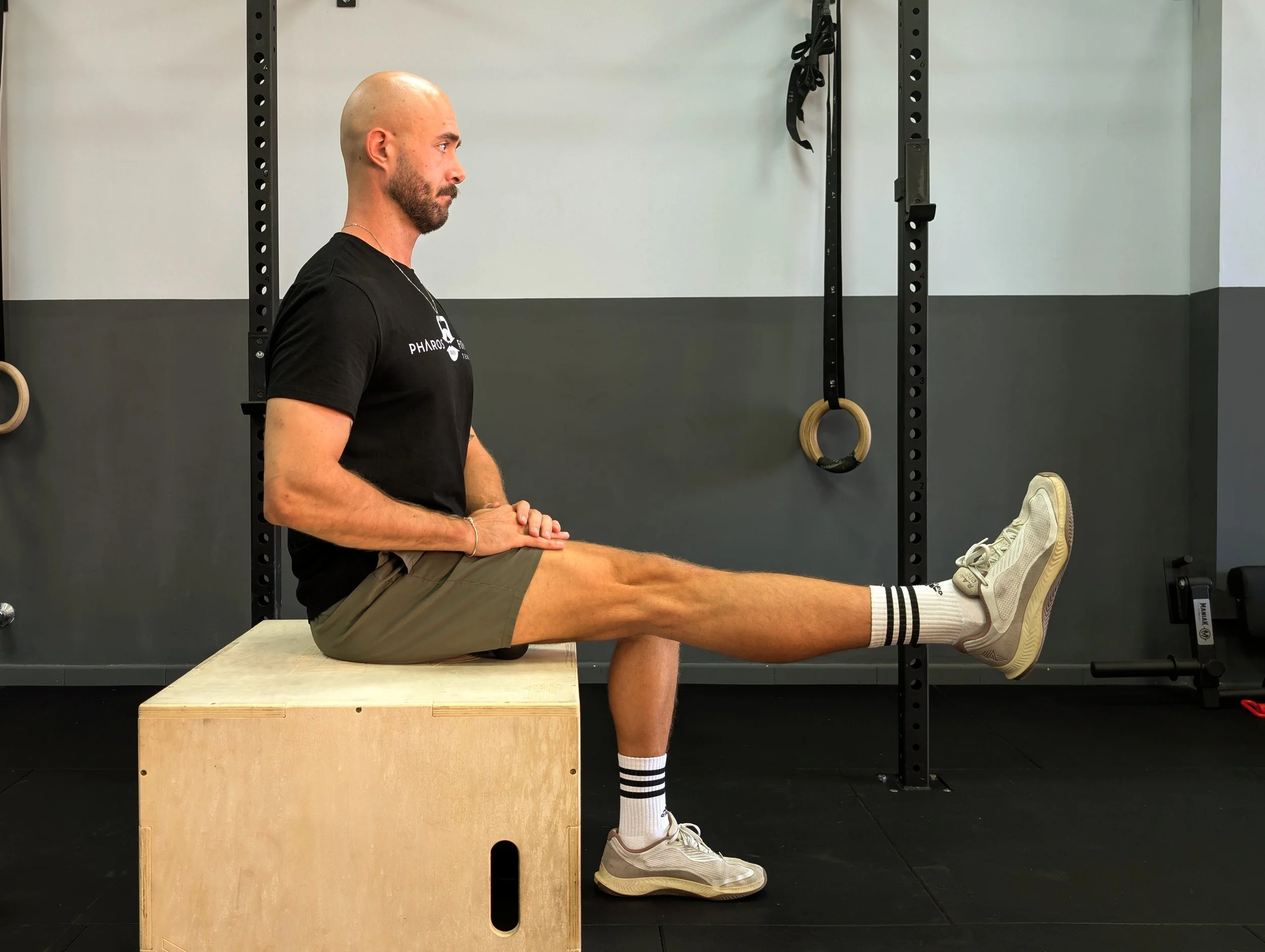
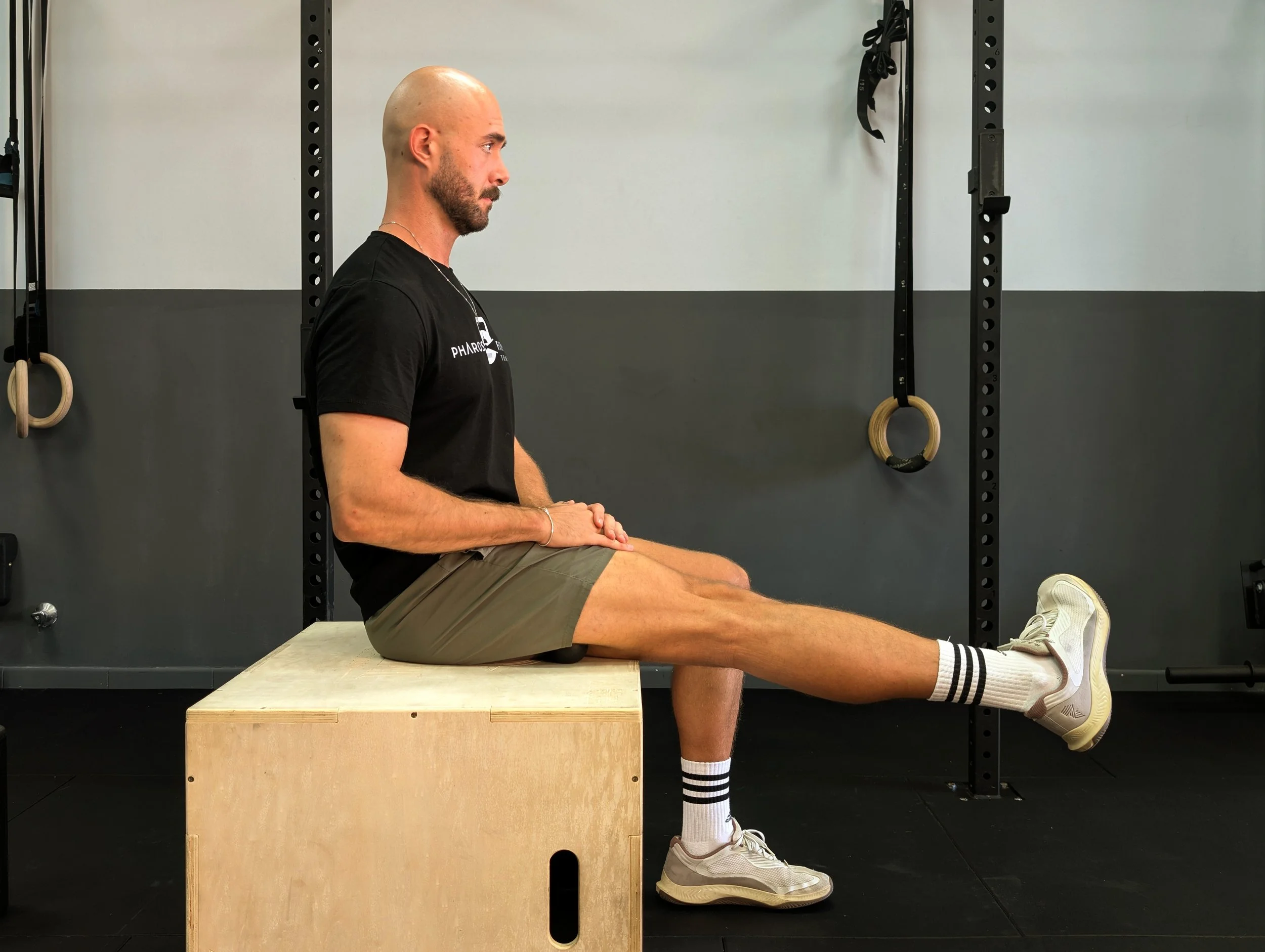
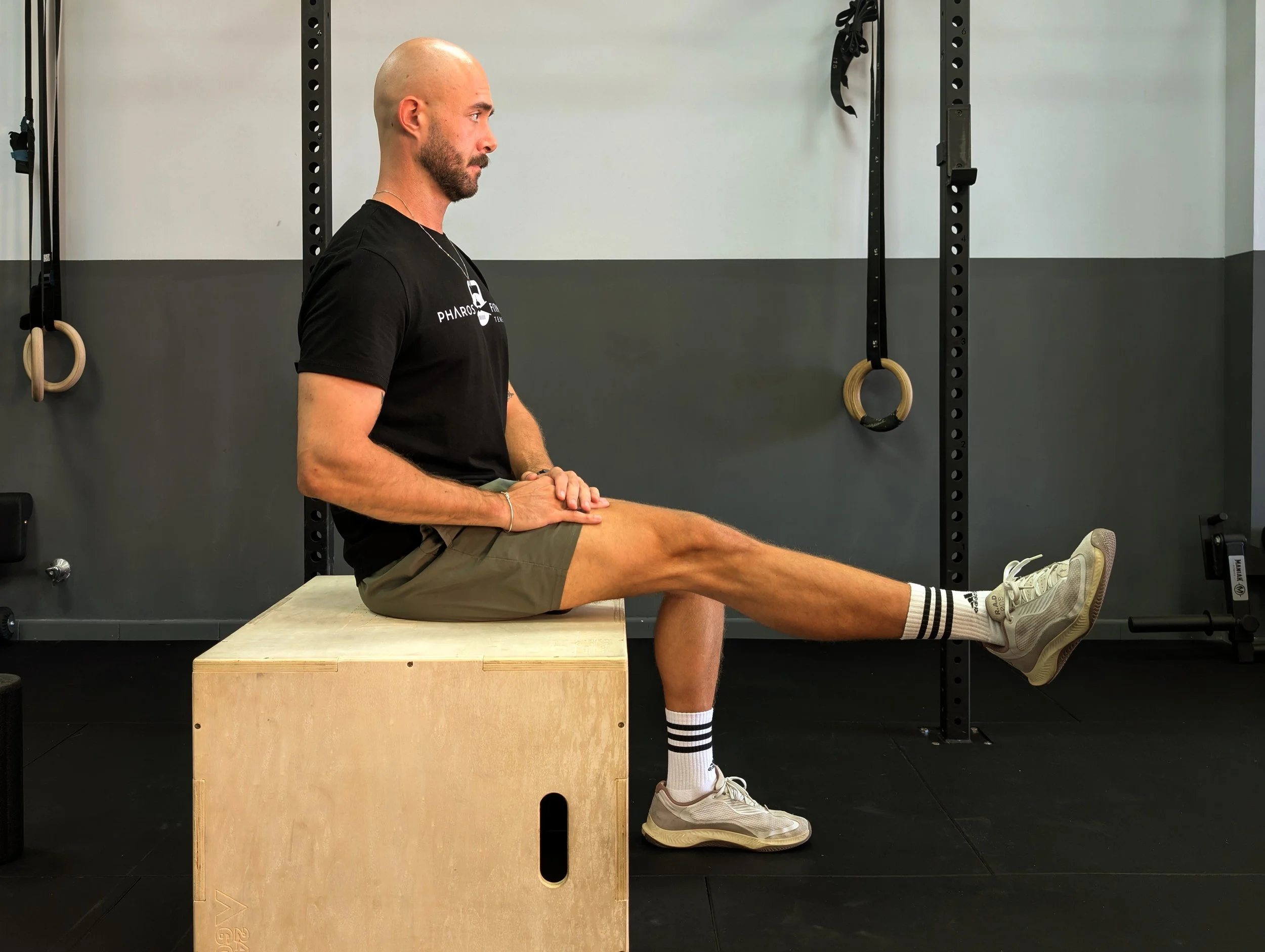
Seated Smash: Sit on a firm chair or box. Place a small or large ball under your hamstring. Apply pressure by leaning or pushing down.
Floss: Slowly straighten and bend your knee.
Rotate: Move your foot side-to-side to hit different fibers.
Barbell Smash: Drape your leg over a barbell secured in a rack. Apply pressure. Perform the same flossing/rotation movements. Great for targeting stiffness high up near the glute.
Tool: Small Ball, Large Ball, Barbell on rack
3. Adductor Smash (Inner Thigh)
Why: Targets the often-neglected inner thigh muscles. Tightness here can pull your knees inward during squats and contribute to pelvic/low back issues.
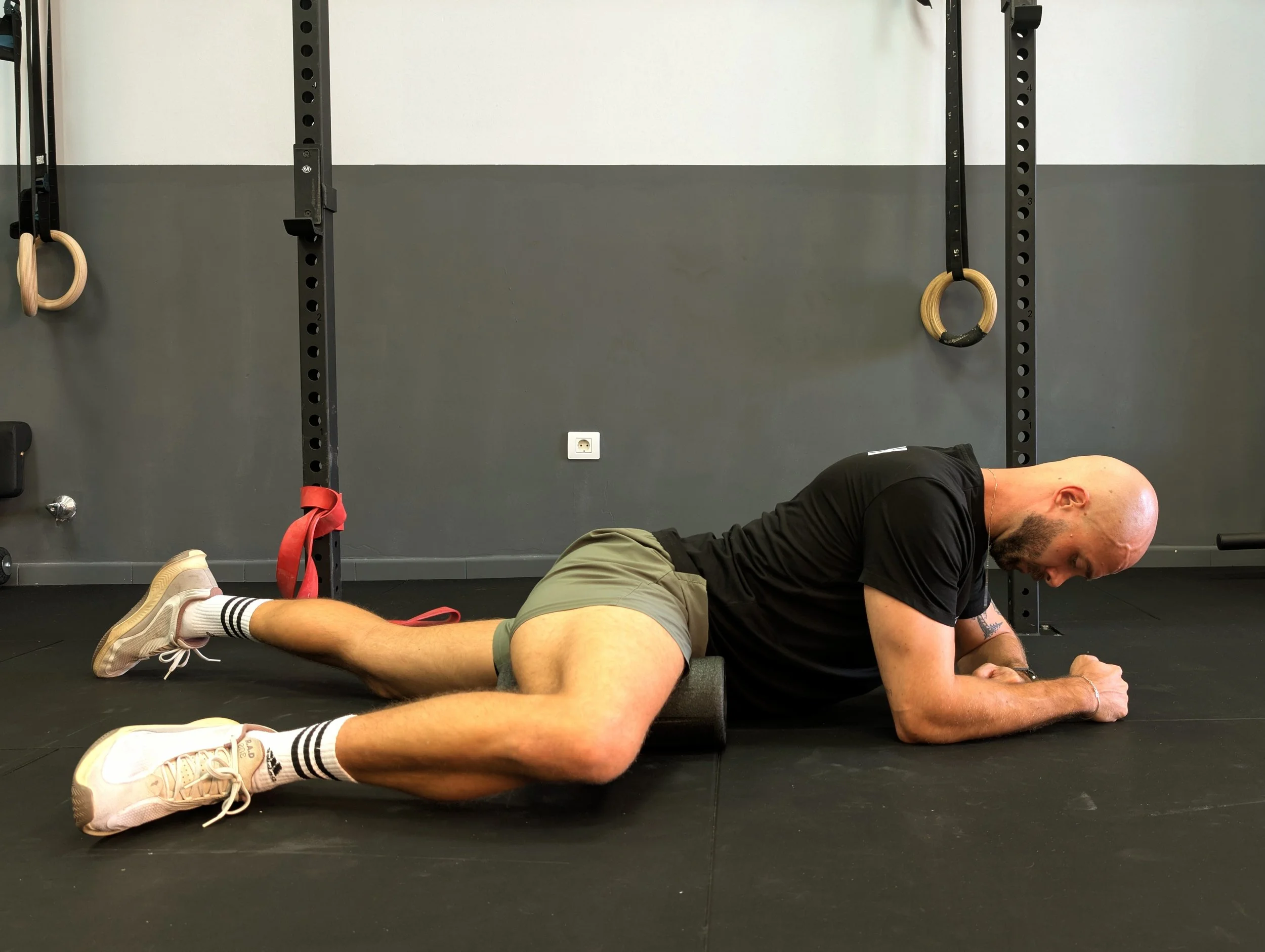
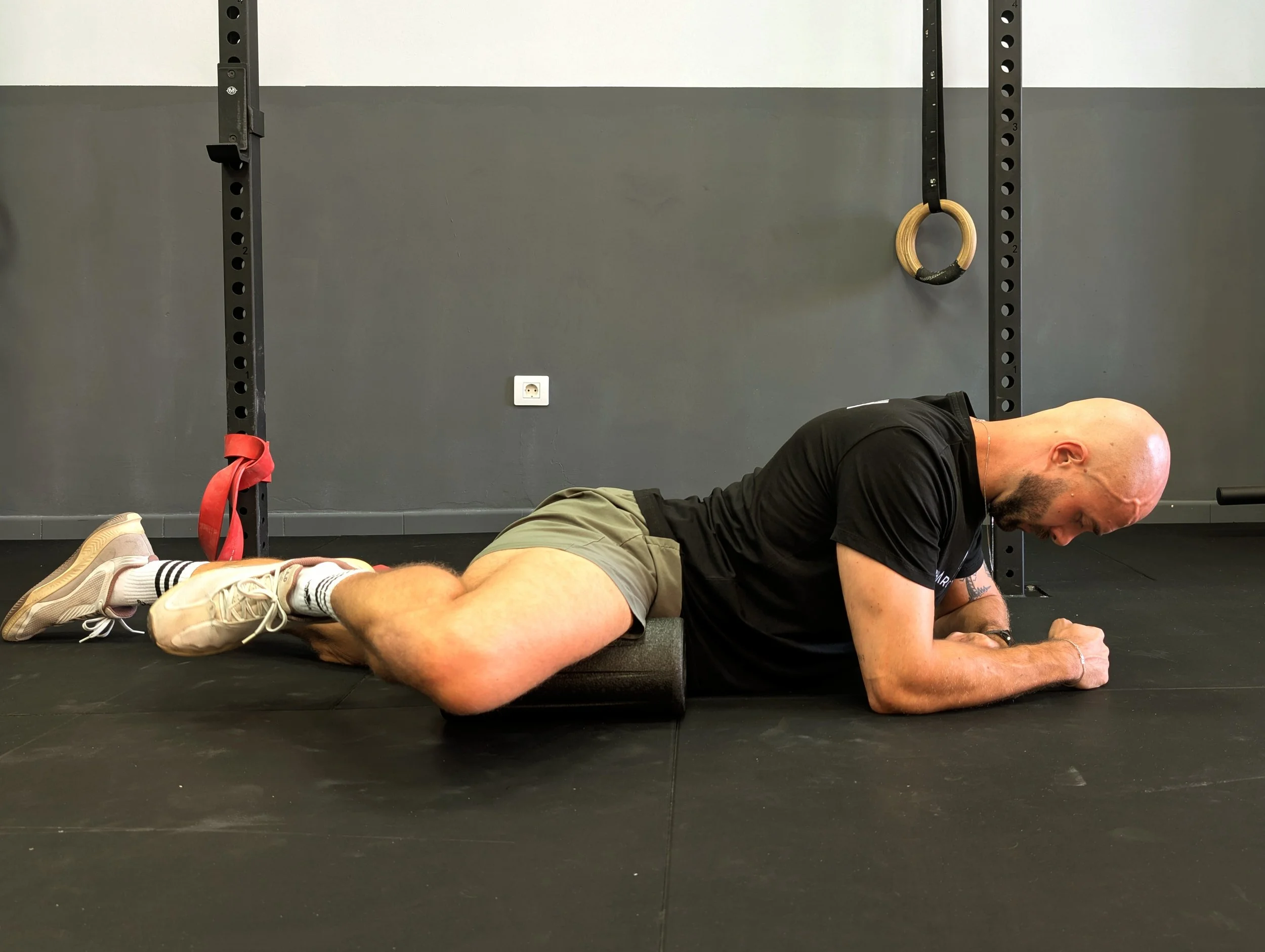
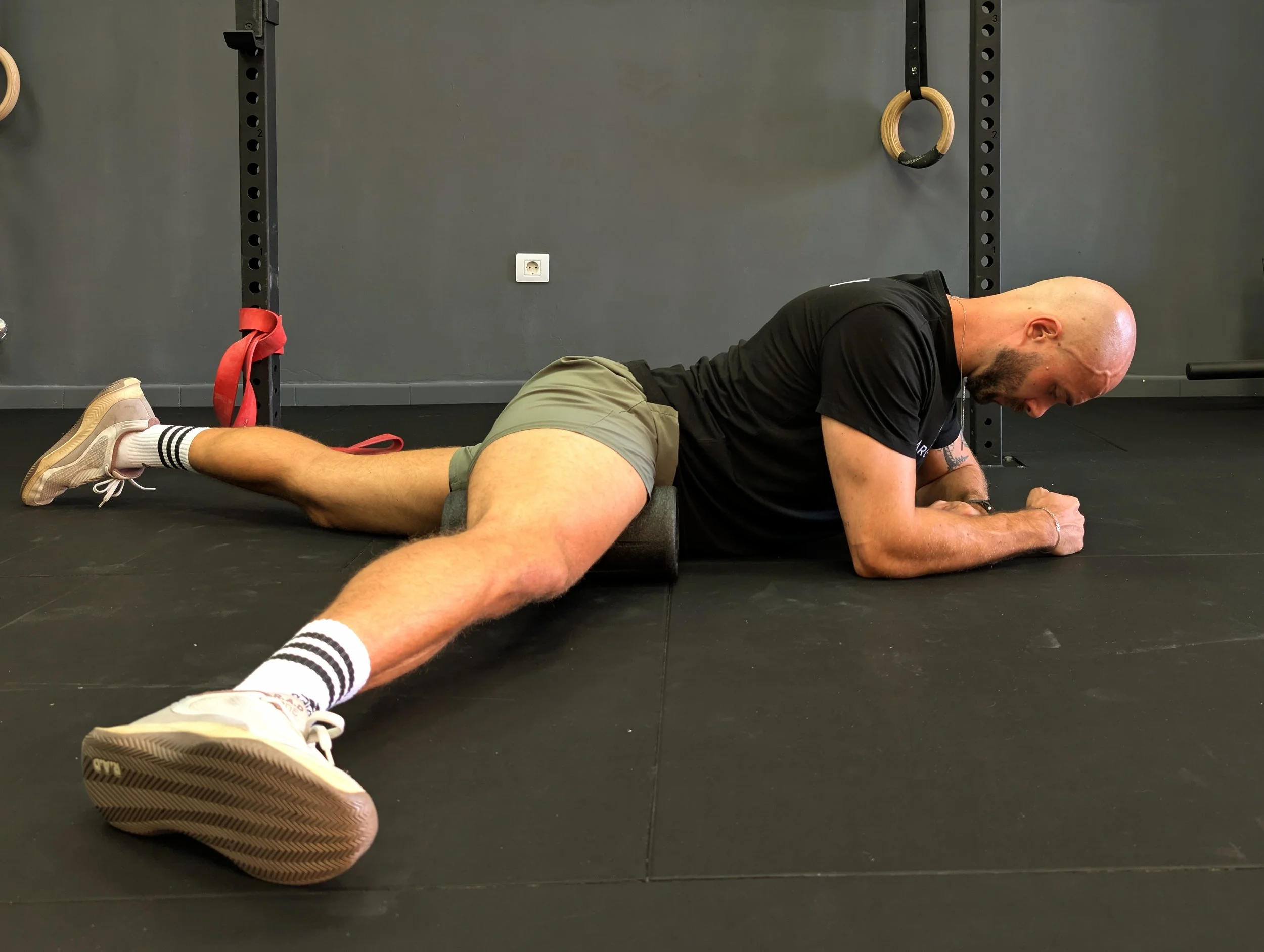
How: Lie face down. Bring one knee out to the side (frog position). Place a roller or large ball under your inner thigh.
Pressure Wave: Roll side-to-side across the muscle.
Smash & Floss: Pin a tight spot. Slowly bend and straighten your knee.
Contract & Relax: Gently squeeze inner thigh muscles, hold, then relax.
Tool: Roller, Large Ball, Barbell
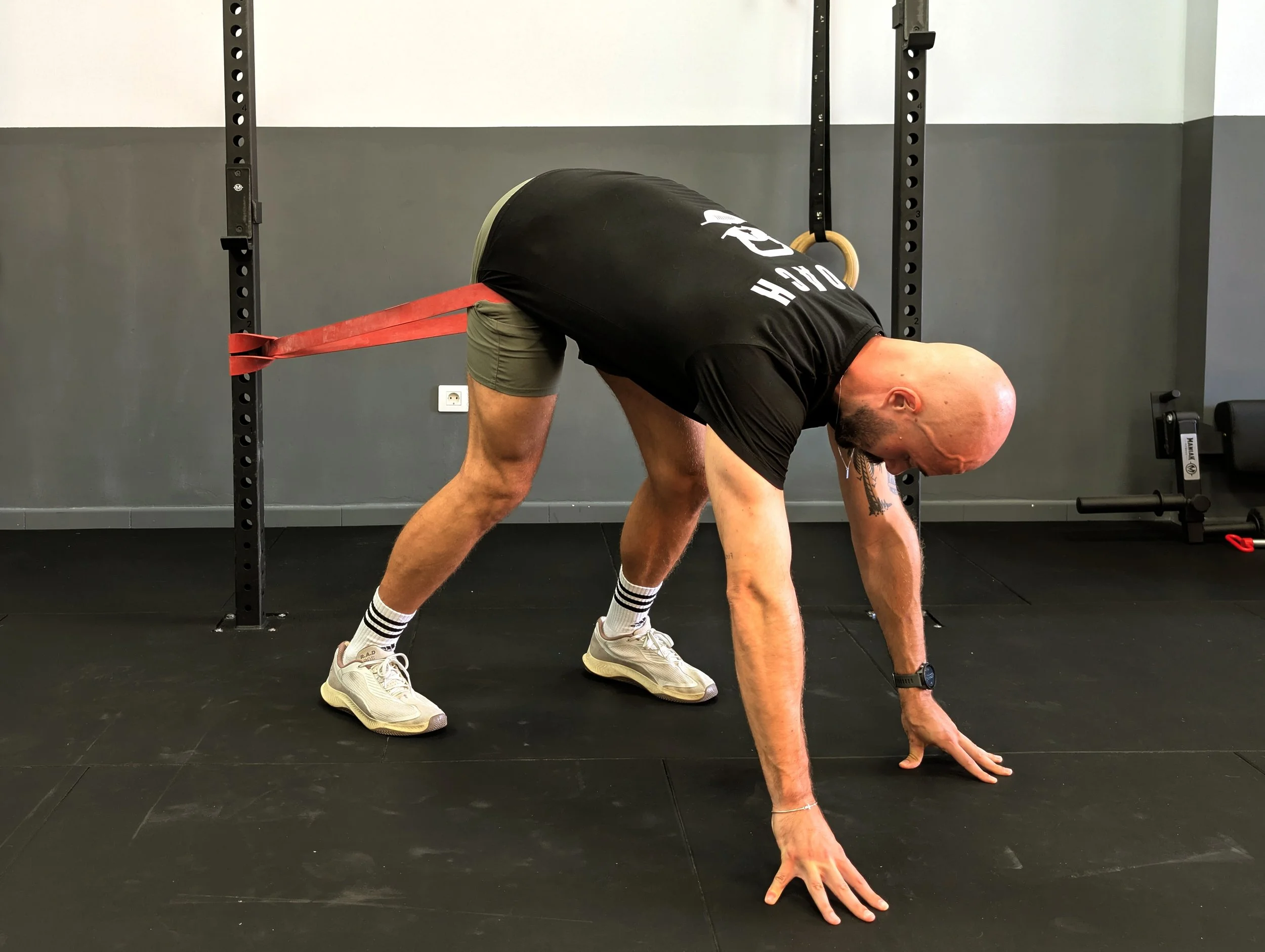
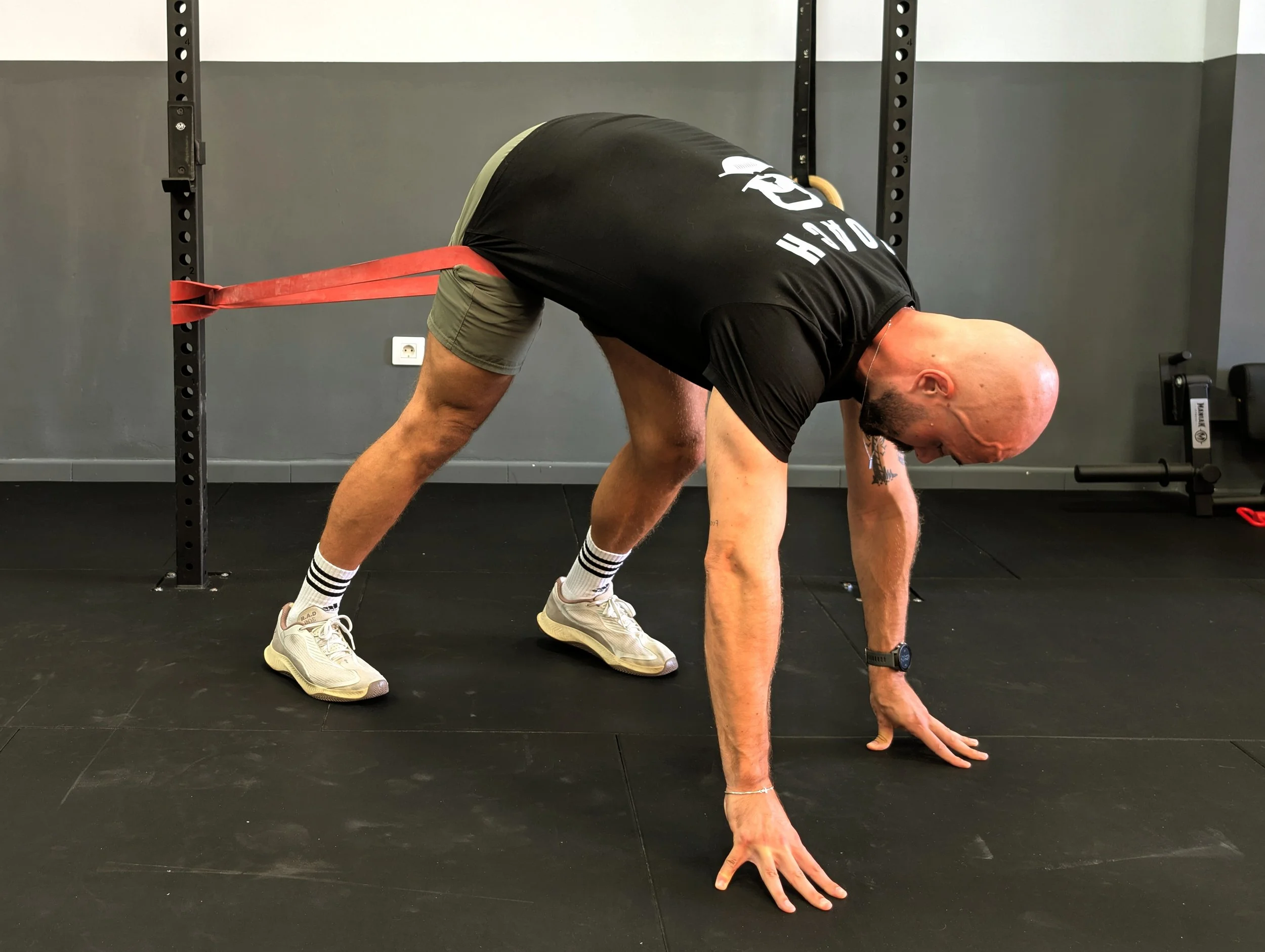
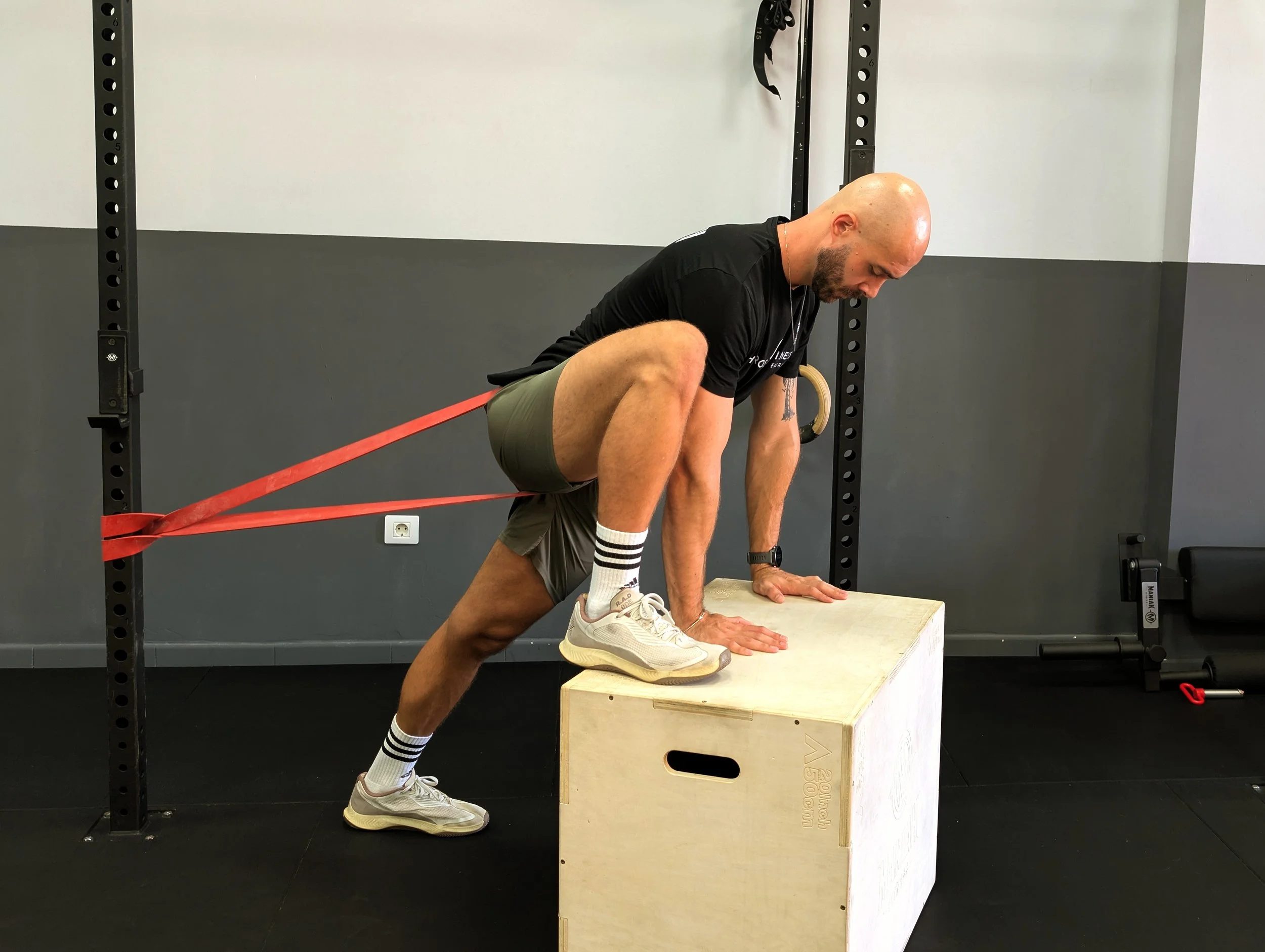
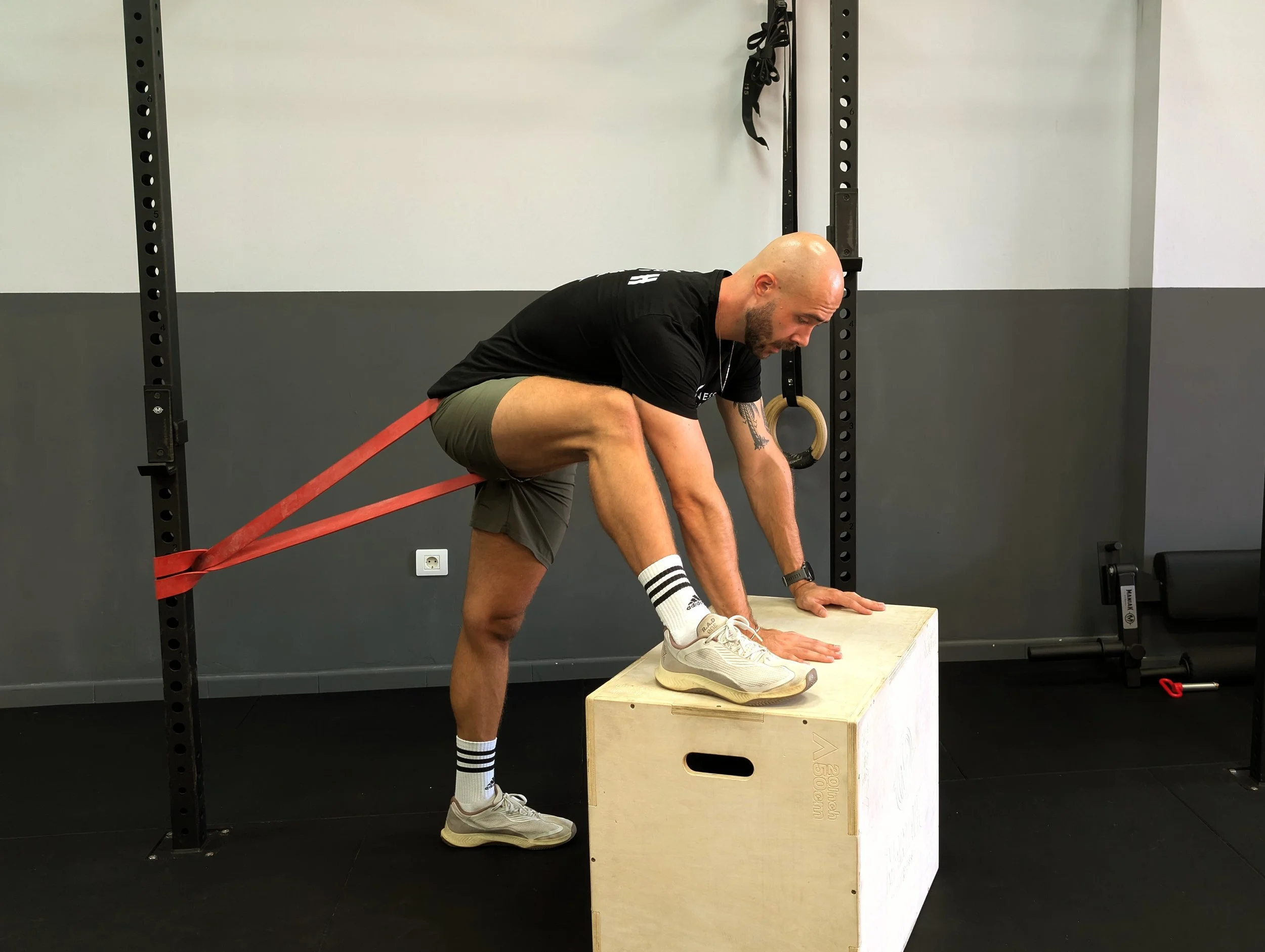
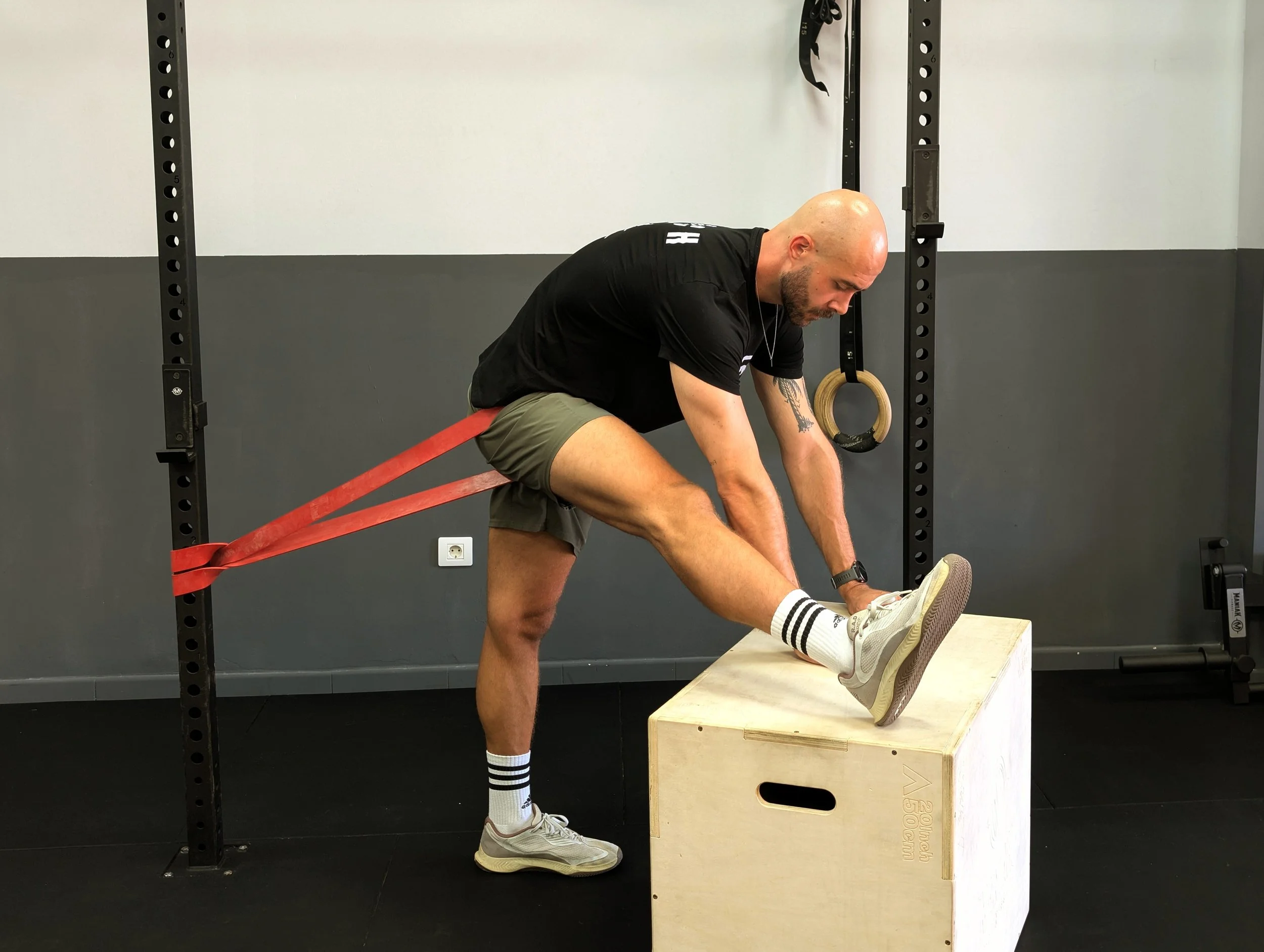
4. Posterior Chain Floss (Dynamic Hamstring)
Why: Improves hamstring length and hip hinge mechanics using active, weight-bearing movement. Excellent warm-up or mobility drill.
How: (Optional but better: Use band for distraction, pulling back on the hip).
Option 1 (Hands Support): Hinge forward, back flat, hands on floor or box. Keep weight on heels. Floss by bending/straightening one knee at a time.
Option 2 (Standing Hinge): Stand tall, back flat. Hinge forward from hips, keeping legs straight (slight knee bend OK). Floss by moving in/out of the end-range hinge.
Option 3 (Foot on Box): Place one foot on the box, leg straight. Hinge forward. Floss by bending/straightening the knee on the box.
Tools: Optional Resistance Band, Box/Chair.

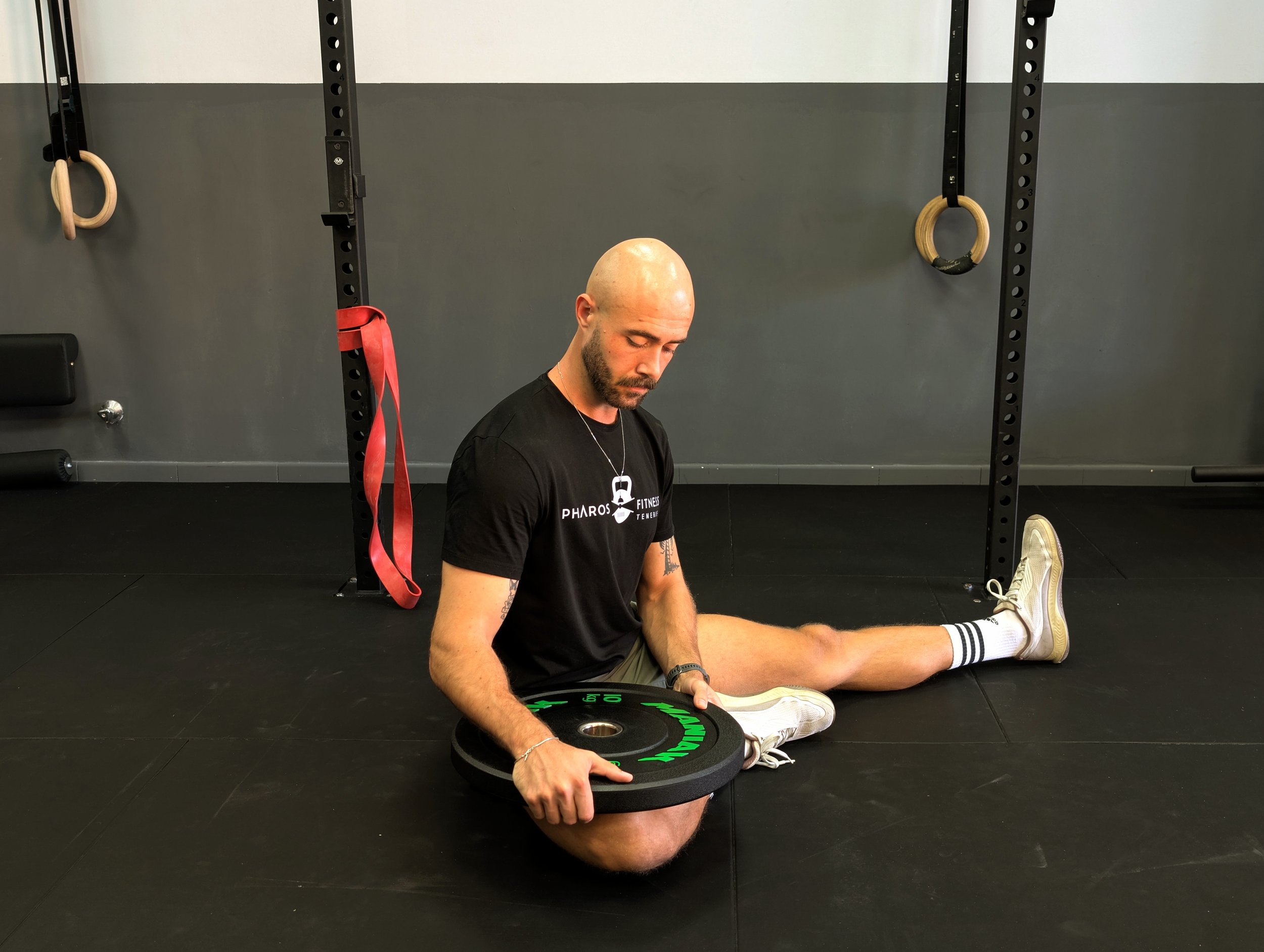
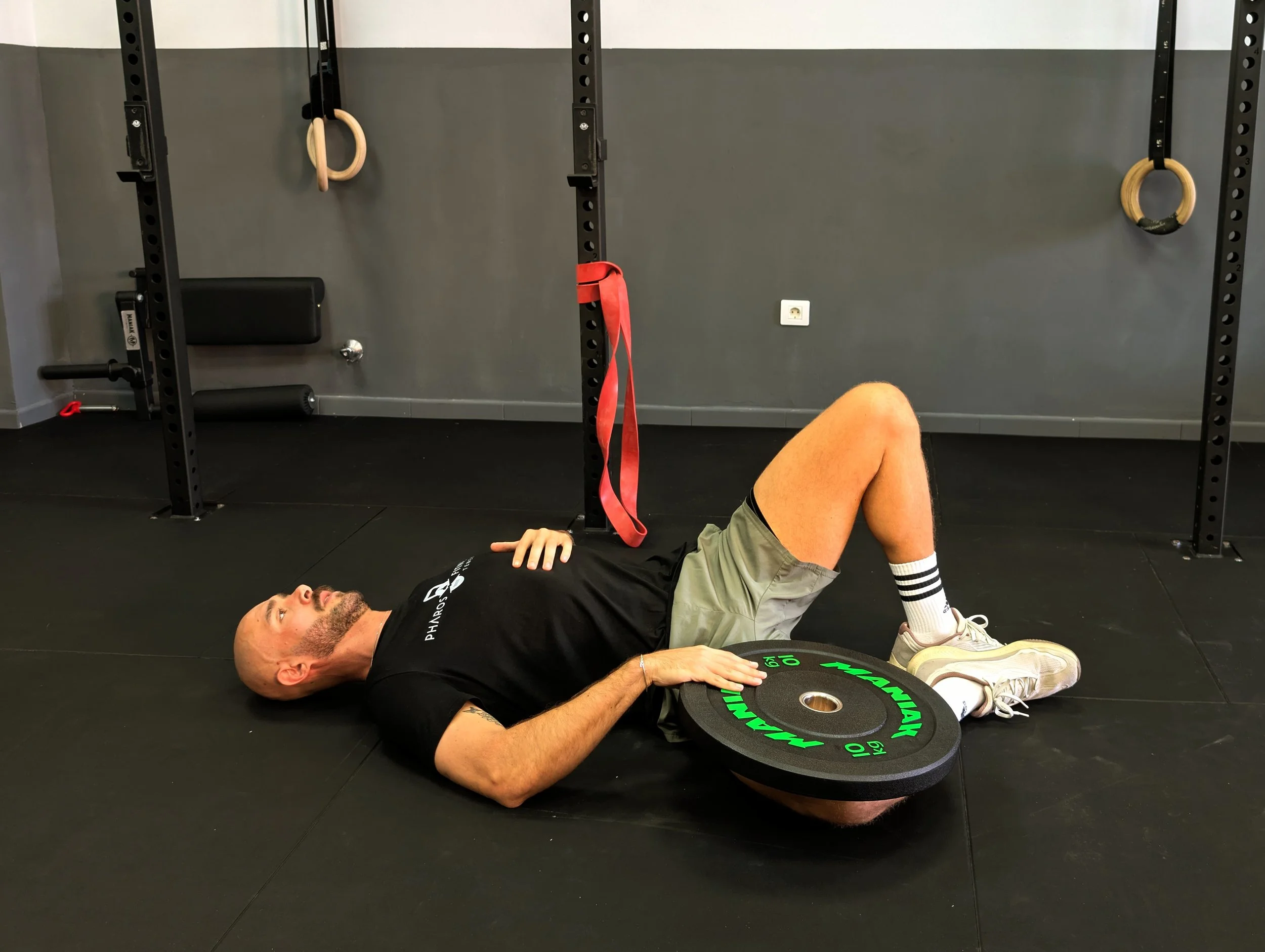
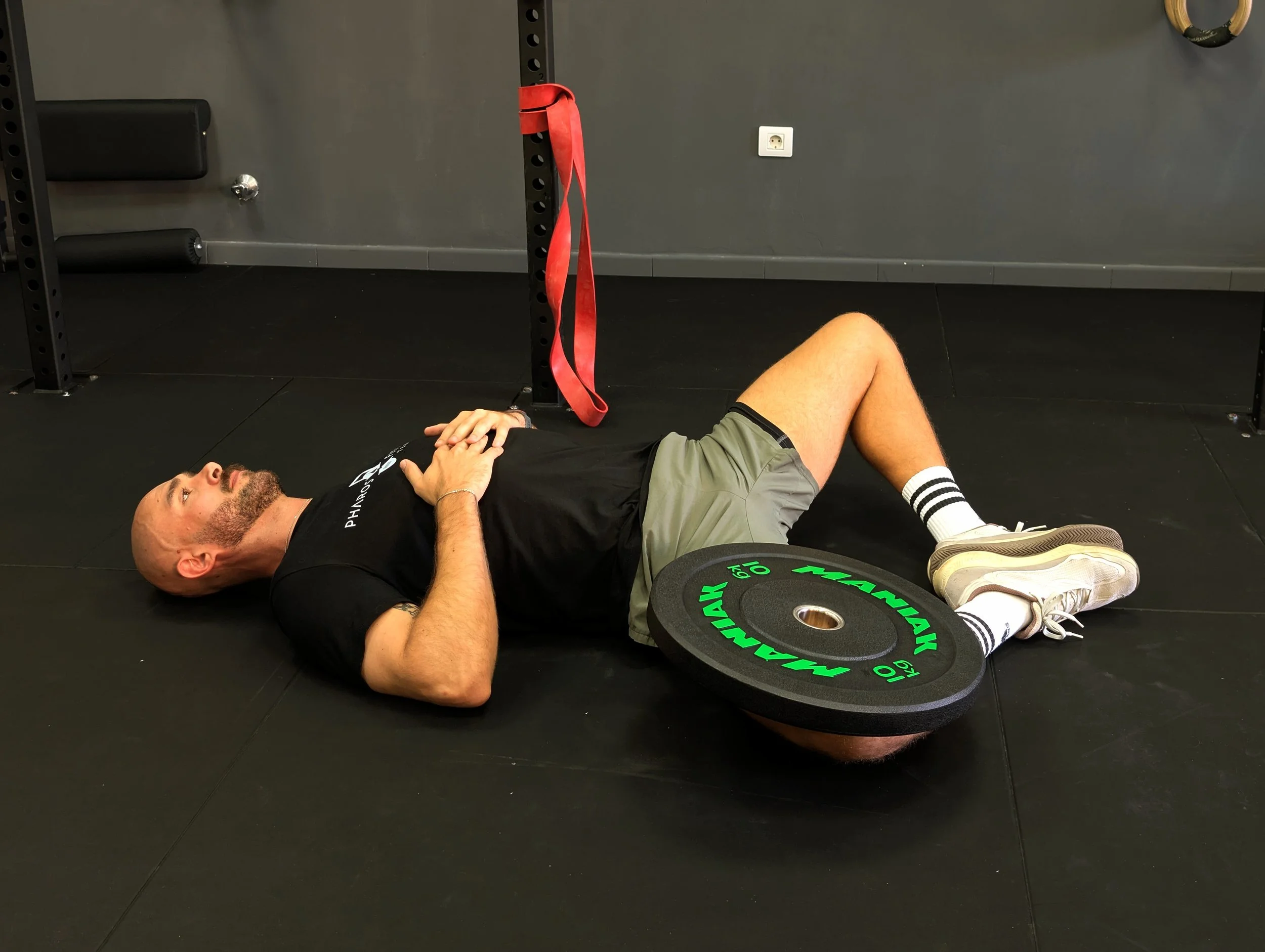
5. Super Frog (Groin/High Adductor)
Why: An aggressive mobilisation for the high adductor/groin area, crucial for deep squats and full hip extension (lockout).
How: Lie on your back. Bring one leg out to the side ("frog" position). Place a weight (plate/barbell) over the inner thigh near the groin. (Optional but better: Use a band from above pulling hip into socket). Squeeze the glute of the mobilised leg. Relax other leg.
Contract/Relax: Squeeze leg into weight, hold, then relax deeper.
Tools: Weight Plate, Barbell, Optional Resistance Band. (Caution: This is intense!)
Key Reminders for Success:
Footwear First! Shoes with elevated heels (even most running shoes) chronically shorten your calves. Choose flat, flexible shoes with a wide toe box whenever possible.
Sitting Kills: Prolonged sitting is a primary cause of stiffness in hamstrings, quads, and adductors. Stand up and move often!
Move Well: Poor squat/hinge form (knees caving, back rounding) can be both a cause and result of tightness. Prioritise good mechanics.
Feet Straight: Standing/walking with "duck feet" chronically affects these muscles. Practice a neutral foot position.
Hydrate: Supple tissues require good hydration!
Important Notes:
Pressure: These are large, dense muscles. Don't be afraid to use appropriate pressure, but start lighter (soft roller) and progress.
Nerves: Be mindful of nerves, especially on the inner thigh and high hamstring (sciatic nerve area). Avoid sharp, shooting, or numbing pain.
Time: Be patient. It can take 5-10+ minutes per muscle group to make real changes in these large areas .
Move After: After smashing, always stand up and move (e.g., 10-15 air squats) to help your brain integrate the changes.